
Słownictwo do IELTS Academic (Wynik 6-7) - Biologia
Tutaj nauczysz się niektórych angielskich słów związanych z biologią, które są niezbędne do akademickiego egzaminu IELTS.
Przegląd
Fiszki
Pisownia
Test

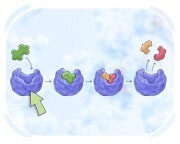
a biological molecule, usually a protein, that speeds up a specific chemical reaction without being consumed in the process

enzym, ferment

a thin layer of living tissue that covers, lines, connects, or separates parts of an organism
błona, membrana
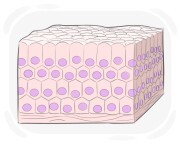
a group of similar cells that work together to form a particular part of a human, animal, or plant
(biology) the colorless liquid part of the blood in which the blood cells are suspended
osocze
(biochemistry) an oily or fatty molecule that does not dissolve in water and is a key building block of cell membranes
lipid, tłuszcz
(biochemistry) a small molecule that cells link together to build proteins
aminokwas
a junction between two nerve cells, consisting of a minute gap across which impulses pass by diffusion of a neurotransmitter
synapsa, połączenie między dwoma komórkami nerwowymi
Elektryczne synapsy, charakteryzujące się bezpośrednim sprzężeniem elektrycznym między neuronami, umożliwiają szybszą komunikację w porównaniu z synapsami chemicznymi.
the genetic makeup of an organism, determined by the combination of genes inherited from its parents
genotyp
Badanie genetyki obejmuje badanie genotypu, aby zrozumieć, jak geny przyczyniają się do rozwoju i funkcjonowania organizmów.
a type of cell division that creates reproductive cells with half the usual number of chromosomes
mejoza, podział komórkowy redukcyjny
Mejoza pomaga utrzymać stabilną liczbę chromosomów w pokoleniach, zmniejszając o połowę liczbę chromosomów w gametach.
a type of cell division that results in the formation of two daughter cells, each having the same number of chromosomes as the parent cell
mitoza, równomierny podział komórki
W rozmnażaniu bezpłciowym organizmy rozmnażają się przez mitozę, co prowadzi do powstania genetycznie identycznego potomstwa.
the system of glands and organs that produce and release hormones into the bloodstream, regulating various physiological functions and maintaining homeostasis
układ endokrynny, endokrynny
Układ endokrynny i nerwowy współpracują, aby utrzymać homeostazę, przy czym układ endokrynny zapewnia wolniejszą, bardziej trwałą regulację.
a gland that secretes substances, such as enzymes or mucus, through ducts that lead to the external environment or a body cavity, rather than directly into the bloodstream
egzokrynny, gruczoł egzokrynny
Gruczoły potowe egzokrynne wydzielają pot na powierzchnię skóry, odgrywając rolę w regulacji temperatury i eliminacji odpadów.
a steroid hormone that the body produces and is used in medicine to help cure skin diseases
kortyzol, hormon steroidowy wytwarzany przez organizm i stosowany w medycynie do pomocy w leczeniu chorób skóry
Kortyzol odgrywa rolę w kontrolowaniu cyklu sen-czuwanie organizmu.
something that causes or prompts a physical, psychological, or behavioral response
bodziec, impuls
(neuroanatomy) the long, single fiber of a nerve cell that carries electrical signals away from the cell body
akson, neuryt
a small, membrane-bound sac within a cell, involved in the transport, storage, or release of substances
pęcherzyk, wakuola
Lizosomy to pęcherzyki zawierające enzymy trawienne, odpowiedzialne za rozkład odpadów komórkowych i obcych cząstek.
