
Vocabular pentru IELTS Academic (Scor 6-7) - Biologie
Aici, vei învăța câteva cuvinte în engleză legate de Biologie care sunt necesare pentru examenul academic IELTS.
Revizuire
Fișe de studiu
Ortografie
Chestionar


a substance that all living organisms produce that brings about a chemical reaction without being altered itself

enzimă

a thin sheet of tissue that separates or covers the inner parts of an organism
membrană, peliculă
Membrana celulară protejează interiorul celulei.
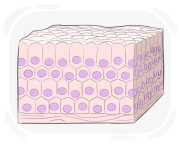
a group of cells in the body of living things, forming their different parts
țesut, țesut celular
Țesutul muscular permite mișcarea și susține structura corpului.
(biology) the colorless liquid part of the blood in which the blood cells are suspended
plasmă
any of a class of organic substances that do not dissolve in water that include many natural oils, waxes, and steroids
lipid, grăsime
any organic compound that creates the basic structure of proteins
aminoacid, acid aminic
a junction between two nerve cells, consisting of a minute gap across which impulses pass by diffusion of a neurotransmitter
sinapsă, joncțiune între două celule nervoase
Neurotransmițătorii eliberați în sinapsă se leagă de receptorii neuronului receptor, facilitând transmiterea impulsurilor nervoase.
the genetic makeup of an organism, determined by the combination of genes inherited from its parents
genotip
Genotipul unui individ este responsabil pentru moștenirea unor trăsături specifice, cum ar fi culoarea ochilor și înălțimea.
a type of cell division that creates reproductive cells with half the usual number of chromosomes
meioză, diviziune celulară reducțională
Meioza asigură diversitatea genetică prin crearea de celule hapolide cu combinații unice de cromozomi.
a type of cell division that results in the formation of two daughter cells, each having the same number of chromosomes as the parent cell
mitoză, diviziune celulară ecuațională
Mitoza este esențială pentru creșterea și dezvoltarea organismelor multicelulare, deoarece duce la producția de celule noi.
the system of glands and organs that produce and release hormones into the bloodstream, regulating various physiological functions and maintaining homeostasis
sistemul endocrin, endocrin
Sistemul endocrin include glande precum hipofiza, tiroida, suprarenalele și pancreasul, fiecare producând hormoni specifici.
a gland that secretes substances, such as enzymes or mucus, through ducts that lead to the external environment or a body cavity, rather than directly into the bloodstream
exocrin, glandă exocrină
Glandele salivare sunt exemple de glande exocrine care secretă salivă în cavitatea orală prin canale, ajutând la digestie.
a steroid hormone that the body produces and is used in medicine to help cure skin diseases
cortizol, un hormon steroid pe care organismul îl produce și este utilizat în medicină pentru a ajuta la vindecarea afecțiunilor pielii
Niveluri ridicate de cortizol pot crește stresul și anxietatea.
something that triggers a reaction in various areas like psychology or physiology
stimul, excitant
Reforțarea pozitivă poate fi un puternic stimul pentru modelarea comportamentelor dorite atât la copii, cât și la animale.
a long, slender projection of a nerve cell that conducts electrical impulses away from the cell body towards other neurons or target cells
axon, neurit
a small, membrane-bound sac within a cell, involved in the transport, storage, or release of substances
veziculă, vacuolă
Peroxisomii sunt vezicule care conțin enzime care participă la diverse procese metabolice, inclusiv la descompunerea acizilor grași.
