


the act of providing assistance or support to someone or something

援軍, 支援
兵士は、援軍がちょうど間に合うのを見て安心した。
a drawing of a person, usually a suspect, made by combining descriptions from witnesses
モンタージュ, 合成スケッチ
警察は コンポジットスケッチ を示した。
a sign, fact, or piece of information that helps someone discover the answer to a problem, mystery, or question
手がかり
a criminal investigation that has remained unsolved for a significant period and lacks recent investigative leads
未解決事件, コールドケース
その探偵はコールドケースユニットに配属され、何年も活動していない未解決の犯罪に焦点を当てました。
based on indirect evidence rather than direct proof
状況証拠の, 間接的な
彼に対する事件は 状況証拠に基づく ものです。
an organized search by police for a person wanted for a crime
人間狩り, 警察の捜索
警察は容疑者のために人間狩りを開始しました。
a machine that measures bodily changes to see if someone might be lying
嘘発見器, ポリグラフ
彼は嘘発見器のテストを受けるように求められた。
a group of people standing next to each other so a witness can try to identify a criminal suspect
識別パレード, 容疑者の列
その男性は識別列に立っていた。
something that cannot be understood or explained because important facts are unknown
謎, 神秘
a case that is very clear and easy to prove because there is strong evidence
a machine that measures and records bodily functions like pulse, blood pressure, breathing, and sweating
ポリグラフ, 嘘発見器
容疑者はポリグラフに接続されていました。
a person the police think may be connected to a crime but who has not been arrested
a person who may be dangerous to a country or organization, especially if trusted with secret information
安全保障上のリスク, 安全保障上の脅威
彼らは彼がセキュリティリスクだと言った。
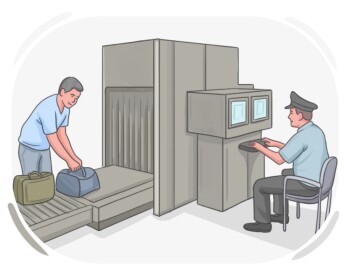
the place at an airport or port where passengers' bags are checked for illegal goods as they enter a country
税関, 税関検査
彼らは申告するものが何もなかったので、すぐに税関を通りました。
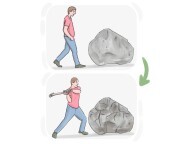
to find an answer or solution to a question or problem
解決する, 解く
a situation in which police secretly watch a place to observe someone or find evidence of a crime
監視, 張り込み
警察は張り込みの間、外で待機していた。
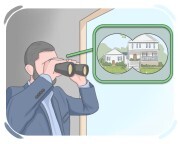
to watch a building continuously, usually by police or reporters, to see who goes in or out
継続的に張り込む, 出入りする人を見るため建物を張り込む
ジャーナリストは、誰が出入りしているかを調べるために政治家の住居を張り込む計画を立てた。
the act of monitoring a person or place, especially by the police
監視, 見張り
警察は一連の強盗事件の後、地域の監視を強化しました。

to think that someone may have committed a crime, without having proof
疑う, 不審に思う
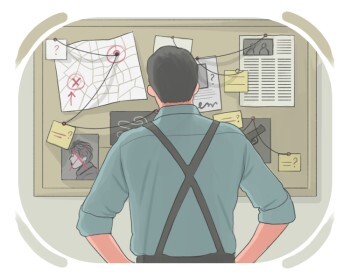
a person who is hired to investigate crimes or personal matters, but is not a police officer
私立探偵, プライベート探偵
彼女は行方不明の猫を見つけるために私立探偵を雇った。
an individual or group of individuals who take the law into their own hands, acting outside the legal system to enforce their version of justice or address perceived wrongs
自警団員, 自警主義者
効果的な法執行がないため、一部の住民は地域で増加する犯罪に対抗するために自警団を結成しました。
the act of taking the law into your own hands instead of relying on the police
自警行為, 私的制裁
町は 自警行為 のために問題に直面しました。
actively sought by law enforcement due to involvement in criminal activity
指名手配, 逃亡中
大胆な強盗の後、容疑者は指名手配とラベル付けされ、ニュースの見出しになりました。
a list of people or groups that authorities watch closely because they may be dangerous
監視リスト, ウォッチリスト
彼の名前は監視リストに載っています。
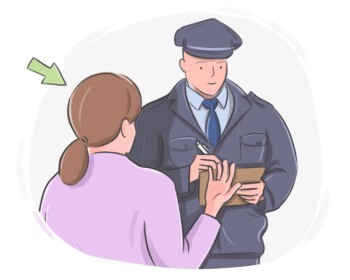
someone who has personally seen of an object, event, etc. and can describe it
目撃者, 証人
警察は強盗についての詳細を集めるために目撃者にインタビューしました。
proof that indicates a person was somewhere other than the place where a crime took place and therefore could not have committed it
アリバイ
容疑者のアリバイは、犯罪の時に彼を友人とレストランにいたと位置づけていた。
an examination of a deceased person's organs to determine the cause of death
解剖, 死後検査
死因を調査し特定するために剖検は不可欠です。
a dead person's physical frame
死体, 遺体
the place where a crime happened and where police look for evidence
犯罪現場, 犯行現場
警察は犯罪現場に行きました。
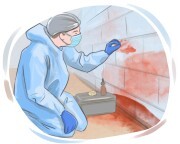
related to the use of scientific techniques when trying to know more about a crime
法医学の, 犯罪科学の
法科学チームは犯罪現場からDNA、指紋、繊維の証拠を収集しました。
the scientific techniques that help police solve crimes
法科学, フォレンジック
彼女は大学で法科学を専攻し、犯罪現場調査官になることを望んでいました。
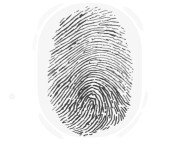
a mark made by the unique pattern of lines on the tip of a person's finger, can be used to find out who has committed a crime
指紋, 指の跡
刑事たちは窓枠にはっきりとした指紋を見つけ、それが強盗の身元特定につながった。
a statement, document, or object that is used in a law court for establishing facts
証拠, 証言
an object, document, photograph, or other item formally presented as evidence in a legal proceeding
証拠品, 立証物
to search a person by having them remove their clothes to check for hidden items
裸で身体検査する, 服を脱がせて検査する
警察は容疑者を 裸にして身体検査 した。
a place where police examine physical evidence from crimes
犯罪科学研究所, 犯罪鑑識ラボ
証拠は 犯罪研究所 に送られました。
the study of crimes, criminals, and how crime can be prevented
犯罪学, 犯罪の研究
彼女は大学で犯罪学を勉強しています。
an examination of a dead body to establish the cause of death or identify effects of disease
検死, 死後検査
