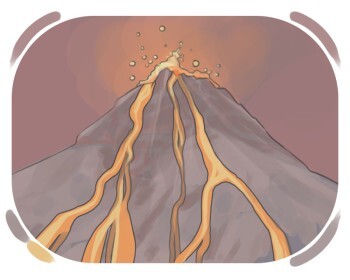
a mountain with an opening on its top, from which melted rock and ash can be pushed out into the air

火山, 火山の山
火山が噴火し、灰を空に送り出した。

a large sea fish with a pointed fin on its back and very sharp teeth
サメ, 鮫
ボートツアー中、彼らは魚を食べているサメの群れを見ました。

a piece of land surrounded by water
島, 小島
美しい島からのお土産として貝殻を集めました。
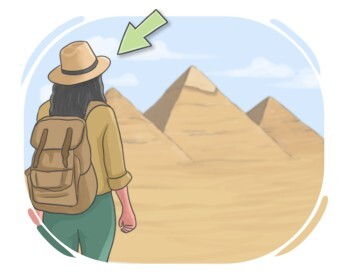
someone who enters a place, such as a building, city, or website, for a particular purpose
訪問者, 来訪者
博物館は休暇シーズン中に何千人もの訪問者を迎えました。

the round top of a volcano
火口
科学者は火山噴火後のクレーターの形成を研究した。
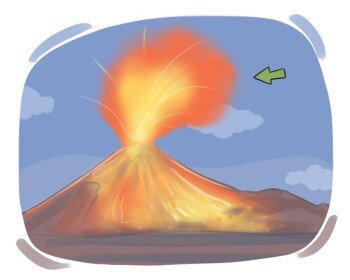
a substance from the inner layers of the earth which is erupted out of a volcanic mountain
溶岩
火山から流れ出た溶岩は、その進路上のすべてを破壊した。

a thick, tropical forest with tall trees and consistently heavy rainfall
熱帯雨林, ジャングル
彼は休暇を美しい熱帯雨林をハイキングして過ごしました。
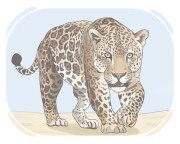
a large wild animal belonging to the cat family with a yellow fur covered with black spots, native to Central and South America
ジャガー, ヒョウ
斑点のある毛皮の下でしなやかな筋肉が波打つジャガーが、密林を通って獲物を追いかけました。
relating to the original inhabitants of a particular region or country, who have distinct cultural, social, and historical ties to that land
先住の, 土着の
政府は、遠隔地に住む先住民の権利と伝統を保護するための政策を実施しました。
a person who visits unknown places to find out more about them
探検家, 冒険者
探検家は、新しい大陸の発見において重要な役割を果たしました。
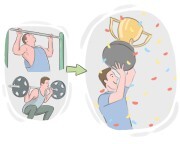
to obtain something through one's own actions or hard work
得る, 獲得する
彼女は何年もの献身と革新を通じて業界で得た認識。
the state of being free from the control of others
独立, 自治
その国は何年もの植民地支配の後、独立を勝ち取った。
the sudden release of lava, gases, and ash from a volcano
火山噴火, 火山の噴火
火山噴火は灰の雲を空高くに送り出した。
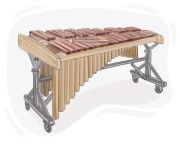
a percussion instrument with a set of wooden bars in different lengths mounted on a frame, played with a yarn or mallets
マリンバ, マリンバ
a Latin dance with rhythmic movements, intricate footwork, and hip movements, typically danced in pairs to salsa music
サルサ, サルサダンス
a lively couple dance or its music that is originated in the Dominican Republic and Haiti, popular all over the Latin America
メレンゲ, メレンゲダンス
a song that is part of the tradition of a region or community, with a simple form and melody, developed by ordinary people
民謡, 伝統的な歌

pots, dishes, etc. that are made of clay by hand and then baked in a kiln to be hardened
陶器, 焼き物
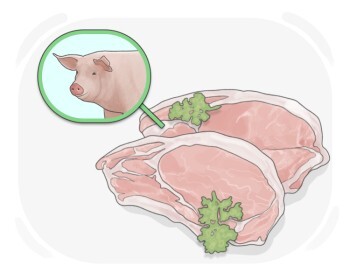
meat from a pig, eaten as food
豚肉, ポーク
シェフは柔らかい豚ロースと風味豊かなソースを使って美味しい料理を作りました。
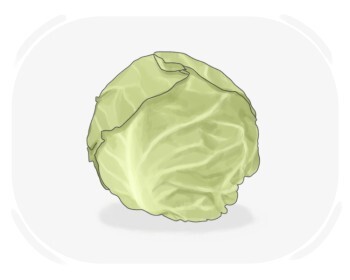
a large round vegetable with thick white, green or purple leaves, eaten raw or cooked
キャベツ, 甘藍
彼女は新鮮なキャベツ、にんじん、そしてピリッとしたドレッシングを使って美味しいコールスローを作りました。
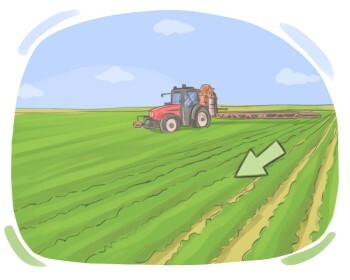
a plant that is grown for food over large areas of land
作物, 収穫
農家は今シーズン、新しい小麦の作物を植えました。
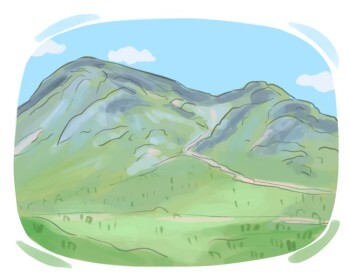
land with mountains or hills
高地, 山岳地帯
高地は、より涼しい気候と、より高い高度に適応した独特の動植物によって特徴付けられることが多い。
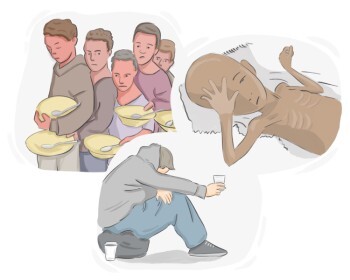
the condition of lacking enough money or income to afford basic needs like food, clothing, etc.
貧困
この地域の多くの家族は貧困の中で生活し、基本的なサービスへのアクセスに苦労しています。
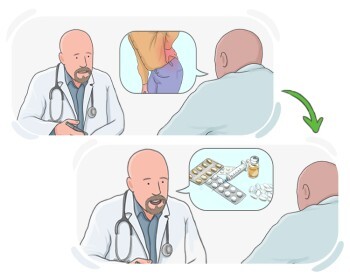
the health services and treatments given to people
医療, ヘルスケア
手頃な価格の医療へのアクセスは、国の多くの家族にとって大きな関心事です。
the extensive removal of forests, typically causing environmental damage
森林破壊, 伐採
大規模な森林破壊は農地需要によって引き起こされています。
related to a country that controls another territory or country
植民地の
植民地政府は、植民地行政とインフラプロジェクトの資金を調達するために、地元の人々に税金と関税を課しました。
the small, rounded stones used historically for paving streets and paths
玉石, 舗装石
旧市街の広場は玉石で舗装されていた。

a country, city, or area with places or activities that attracts many visitors and tourists
観光地, 旅行先
エッフェル塔は、毎年何百万人もの観光客を引き寄せる、世界で最も有名な観光地の一つです。
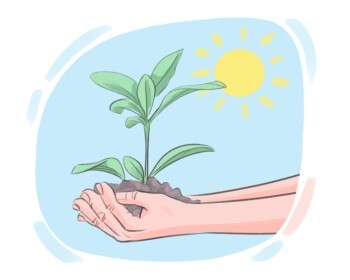
the natural world around us where people, animals, and plants live
環境
水を節約することは環境に良い。
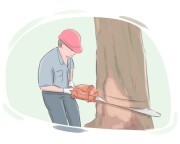
to cut through something at its base in order to make it fall
切り倒す, 伐採する
嵐に備えて、住民は木から弱ったまたは不安定な枝を切り倒すようにアドバイスされました。
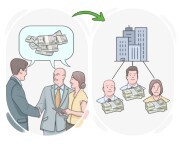
to create or establish an organization or place, especially by providing the finances
設立する, 創立する
彼らは環境保護に専念する研究所を設立しました。
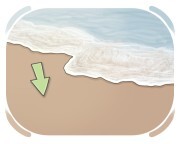
the area of land where the land meets a body of water such as an ocean, sea, lake, or river
岸, 海岸
波が優しく岸に打ち寄せ、心地よい音を立てていた。
existing or situated all around something or someone
周囲の, 隣接する
周囲の木々が暑い夏の日に日陰を提供した。
to remain strong, valuable, or effective over a long period, despite changes or challenges

to stay in the same state or condition
残る, とどまる
課題にもかかわらず、彼は残った楽観的。
(of a place) having a pleasant appearance and atmosphere
魅力的な, 心地よい
彼らは田舎にある魅力的なベッドアンドブレックファストに滞在しました。
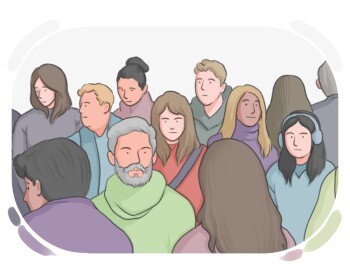
a group of people who live in the same area
コミュニティ, 共同体
地元のコミュニティが集まってチャリティー募金活動を組織しました。