pattern

IELTS Academicの語彙 (スコア5) - 歴史

ここでは、基本的なアカデミックIELTS試験に必要な歴史に関連するいくつかの英単語を学びます。

レビュー

フラッシュカード

綴り

クイズ

学習を開始
Vocabulary for IELTS Academic (Band 5)
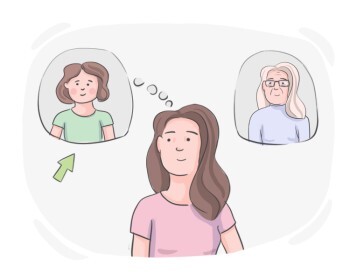
the past
the past
[名詞]

the time that has passed

過去, 過ぎ去った時

過去, 過ぎ去った時

Ex: I learned a lot from the mistakes I made in the past. 

私は過去に犯した過ちから多くを学びました。

era
era
[名詞]

a period of history marked by particular features or events

時代, 紀元

時代, 紀元

Ex: The fall of the Berlin Wall marked the beginning of a new era in European politics. 

ベルリンの壁の崩壊は、ヨーロッパ政治における新たな時代の始まりを告げた。

age
age
[名詞]

a period of history identified with a particular event

時代, 紀元

時代, 紀元

Ex: The age of digital media has revolutionized how we consume and share information. 

時代 デジタルメディアの時代は、私たちが情報を消費し共有する方法を革命的に変えました。
period
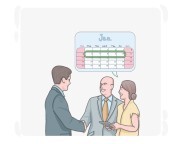
period
[名詞]

a span of time, often with a clear beginning and end

期間, 時期

期間, 時期

Ex: The exam will last for a two-hour period. 

試験は2時間の期間続きます。

century
century
[名詞]

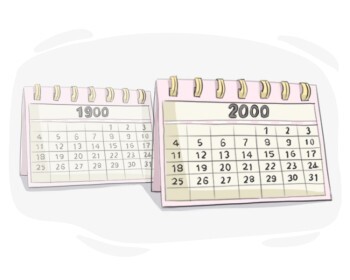
a period of one hundred years

世紀, 百年

世紀, 百年

Ex: The city's architecture has evolved over the centuries. 

街の建築は世紀を超えて進化してきました。

millennium
millennium
[名詞]

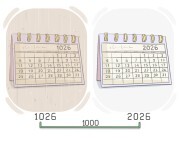
a period of one thousand years, usually calculated from the year of the birth of Jesus Christ

千年紀, ミレニアム

千年紀, ミレニアム

Ex: Futurists speculate about technological advancements that may shape the next millennium. 

未来学者たちは、次の千年紀を形作る可能性のある技術的進歩について推測している。
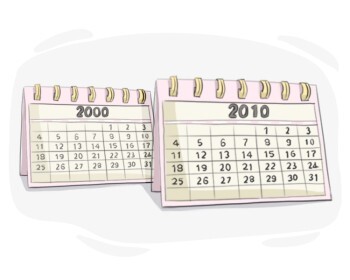
decade
decade
[名詞]

ten years of time

十年

十年

Ex: It's been a decade since I last visited my hometown. 

故郷を最後に訪れてから10年が経ちました。

timeline
timeline
[名詞]

a list of events arranged in the order of their occurance

年表, タイムライン

年表, タイムライン

Ex: The documentary included a timeline of key historical events. 

そのドキュメンタリーには、主要な歴史的出来事のタイムラインが含まれていました。

incident
incident
[名詞]

an event or happening, especially a violent, unusual or important one

事件,  出来事

事件, 出来事

Ex: The news reported a shocking incident involving a celebrity at the airport. 

ニュースは空港で有名人が関与した衝撃的な事件を報じた。

event
event
[名詞]

anything that takes place, particularly something important

イベント, 出来事

イベント, 出来事

Ex: The sports event drew a large crowd of enthusiastic fans. 

そのスポーツイベントは熱狂的なファンの大群を引き寄せた。

emperor
emperor
[名詞]

a male king that rules an empire

皇帝, 支配者

皇帝, 支配者

Ex: The emperor commanded his vast army to expand the empire's borders. 

皇帝は彼の大軍に帝国の国境を拡大するよう命じた。

empress
empress
[名詞]

a woman who is the sovereign ruler of an empire, wielding supreme authority

女帝, 帝国の支配者

女帝, 帝国の支配者

Ex: The empress expanded her empire through strategic alliances. 

女帝は戦略的同盟を通じて帝国を拡大した。

knight
knight
[名詞]

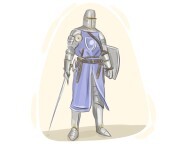
(in the Middle Ages) a man of high social rank, wearing armor and riding a horse, who is loyal to his king

騎士, パラディン

騎士, パラディン

Ex: The knight rode into battle with his sword raised high. 

騎士は剣を高く掲げて戦いへと駆けていった。

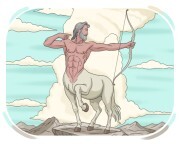
myth
myth
[名詞]

a story involving the ancient history of a people, usually about heroes and supernatural events that could be unreal

神話, 伝説

神話, 伝説

Ex: The villagers passed the myth down through generations. 

村人たちは 神話 を世代から世代へと伝えました。

world war
world war
[名詞]

a war in which many countries fight against each other

世界大戦, グローバルな紛争

世界大戦, グローバルな紛争

Ex: Many historians study the causes and consequences of world wars. 

多くの歴史家が世界大戦の原因と結果を研究しています。

World War I
World War I
[名詞]

the war that took place from the year 1914 to 1918 between the allies and the central powers

第一次世界大戦

第一次世界大戦

World War II
World War II
[名詞]

the war that took place from the year 1939 to 1945 between the axis and the allies

第二次世界大戦, 世界大戦II

第二次世界大戦, 世界大戦II

artifact
artifact
[名詞]

a man-made object, tool, weapon, etc. that was created in the past and holds historical or cultural significance

人工遺物, 人造物

人工遺物, 人造物

Ex: Artifacts of early tool-making like stone knives and projectile points show the ingenuity and resourcefulness of Paleolithic humans. 

石器や投射体の先端などの初期の道具作りの遺物は、旧石器時代の人類の創意工夫と機転を示しています。

historian
historian
[名詞]

someone who studies or records historical events

歴史家, 史学者

歴史家, 史学者

Ex: The historian spent years researching ancient Roman battles. 

歴史家は古代ローマの戦いについて何年も研究に費やした。

LanGeek
LanGeekアプリをダウンロード