pattern

確信と疑い - 評価と推測

ここでは、「推測する」「過小評価する」「予測する」など、評価と推測に関連するいくつかの英単語を学びます。

レビュー

フラッシュカード

語形

綴り

クイズ

学習を開始
Words Related to Certainty and Doubt
notional
notional
[形容詞]

being solely based on imagination or theory rather that reality

概念的な, 理論的な

概念的な, 理論的な

Ex: The notional model of the universe was intriguing but lacked practical application. 

宇宙の概念的なモデルは興味深かったが、実用的な応用に欠けていた。

off the mark

wrong and inaccurate

Ex: His efforts to console her were off the mark. 
off the top of {one's} head

from one's memory, without spending time to carefully consider or think

覚えている限りでは, 確認せずに言うと

覚えている限りでは, 確認せずに言うと

Ex: Off the top of my head, there were about forty people at the meeting. 

覚えている限りでは、会議には四十人くらいいました。

to overrate
to overrate
[動詞]

to give something or someone more credit than is deserved

過大評価する, 過剰に評価する

過大評価する, 過剰に評価する

Ex: Many people overrate luxury brands, assuming higher prices mean better quality. 

過大評価する多くの人が高級ブランドを、より高い価格がより良い品質を意味すると仮定して。
to predict
to predict
[動詞]

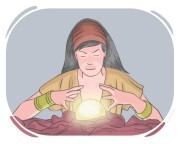
to say that something is going to happen before it actually takes place

予測する, 予言する

予測する, 予言する

Ex: The fortune teller claimed to predict future events through mystical means. 
prediction
prediction
[名詞]

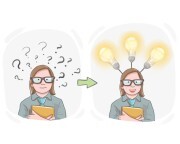
the act or process of saying what is expected to happen in the future

予測,  予知
予測, 予知

Ex: Accurate prediction of earthquakes remains extremely difficult. 
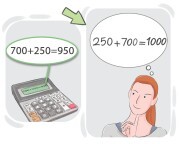
to [put] two and two together

to evaluate the situation and all its possible outcomes in order to draw a conclusion

状況から察する, 話をつなげて結論を出す

状況から察する, 話をつなげて結論を出す

Ex: She heard the budget had been frozen and the interviews had been canceled, so she put two and two together and stopped expecting the job. 

予算が凍結され、面接も中止になったと聞いて、彼女は状況から察し、その仕事を期待するのをやめた。

to reappraise

to review someone or something to see whether one's opinion was correct or not

再評価する, 見直す

再評価する, 見直す

to reassess
to reassess
[動詞]

to put something under further consideration or evaluation

再評価する,  再考する

再評価する, 再考する

reassessment
reassessment
[名詞]

the reevaluation someone or reconsideration of one's opinion of something to see whether it needs revising

再評価,  再考

再評価, 再考

to reevaluate

to reconsider something, especially with the intention to make changes or form another opinion about it

再評価する, 見直す

再評価する, 見直す

to reexamine
to reexamine
[動詞]

to inspect something in detail, especially to confirm or change the previously held opinion

再検討する

再検討する

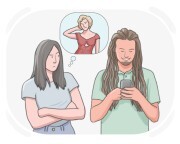
to [read] {one's} (mind|thoughts)

to know what another person is thinking

Ex: Tell me what you want—I can't read your mind! 
re-evaluation

‌the act of reconsidering something, especially with the intention to make changes or form another opinion about it

再評価, 再検討

再評価, 再検討

re-examination

a process that involves detailed inspection of something, especially to confirm or change the previously held opinion

再審査, 新たな検査

再審査, 新たな検査

to second-guess

to predict or anticipate an event or someone's reaction

予測する, 反応を予測する

予測する, 反応を予測する

Ex: You can't second-guess how the team will react to the new strategy until they try it. 

チームが新しい戦略を試すまで、彼らがどのように反応するかを予測することはできません。

(shot|stab) in the dark

an attempt to guess or do something without having sufficient information or knowing the consequences

当てずっぽう, 手探りの試み

当てずっぽう, 手探りの試み

Ex: I didn't know the answer, so my response was just a shot in the dark. 

答えが分からなかったので、私の返事はただの当てずっぽうだった。

to speculate
to speculate
[動詞]

to form a theory or opinion about a subject without knowing all the facts

推測する, 理論を立てる

推測する, 理論を立てる

Ex: Observing the unusual behavior, scientists began to speculate about the potential causes of the phenomenon. 

異常な行動を観察して、科学者たちはその現象の潜在的な原因について推測し始めた。
speculation
speculation
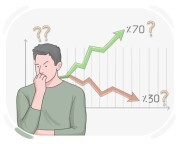
[名詞]

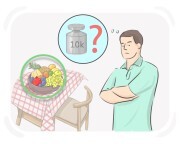
the forming of opinions or guesses without enough evidence to know the truth

憶測
憶測

Ex: There has been intense speculation about why the director suddenly resigned. 
speculative
speculative
[形容詞]

according to opinions or guesses instead of facts or evidence

推測の, 仮説の

推測の, 仮説の

Ex: The article contained speculative theories about the origins of the universe. 

その記事には宇宙の起源に関する推測的な理論が含まれていました。

speculatively

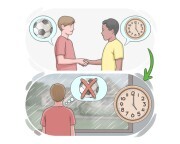
in a way that shows one's decisions are merely based on estimations or personal opinions rather than actual facts

推測的に
推測的に

to surmise
to surmise
[動詞]

to come to a conclusion without enough evidence

推測する, 推量する

推測する, 推量する

Ex: Unable to find the missing document, he could only surmise that it might have been misplaced. 

行方不明の文書を見つけることができず、彼はそれが誤って置かれたのかもしれないと推測するしかなかった。

surmise
surmise
[名詞]

an idea or conclusion formed on the basis of limited or uncertain evidence

推測, 憶測

推測, 憶測

Ex: His surmise about the cause of the accident proved to be correct. 

事故の原因についての彼の推測は正しいことが証明された。

to suspect
to suspect
[動詞]

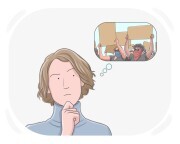
to think that something is probably true, especially something bad, without having proof

疑う, 不審に思う
疑う, 不審に思う

Ex: She suspects there's more to the story than he's telling her. 
to suppose
to suppose
[動詞]

to think or believe that something is possible or true, without being sure

想定する, 推測する

想定する, 推測する

Ex: She didn't suppose that her simple idea would turn into a successful business. 
supposition
supposition
[名詞]

an idea accepted as true without proof, often used as a basis for reasoning

仮定, 仮説

仮定, 仮説

Ex: The theory rests on the supposition that all particles behave identically. 

この理論は、すべての粒子が同一に振る舞うという仮定に基づいている。

to survey
to survey
[動詞]

to take a closer look at something, especially thoroughly in order to investigate

調査する, 検査する

調査する, 検査する

Ex: The consultant surveys the company's operations to recommend efficiency measures. 
survey
survey
[名詞]

a collection of opinions or experiences from a specific group, typically gathered via questions

調査, アンケート

調査, アンケート

Ex: A survey of voters indicated shifting political attitudes. 
ten out of ten

used to describe something perfect, flawless, or highly impressive

十点満点, 完璧

十点満点, 完璧

Ex: That cake was ten out of ten, seriously the best I've ever had. 
to toss
to toss
[動詞]

to throw a coin into the air in order to decide something according to which side lands facing upward

投げる,  コインを投げる
投げる, コインを投げる

Ex: Sarah tossed a coin to decide who would go first. 
to underestimate

to regard something or someone as smaller or less important than they really are

過小評価する, 軽視する

過小評価する, 軽視する

Ex: She warned him not to underestimate the challenges of starting a new business from scratch. 

彼女は、新しくビジネスをゼロから始めることの挑戦を過小評価しないように彼に警告した。

underestimation

an unfavorable judgment or estimation that is too low

過小評価

過小評価

value judgement

an assessment of the worth or quality of someone or something that is mostly based on personal opinions rather than facts

価値判断, 主観的評価

価値判断, 主観的評価

warm
warm
[形容詞]

indicating that someone is getting closer to the correct answer or finding a hidden person or object

温かい, 近い

温かい, 近い

Ex: Playing "hot and cold," his siblings shouted that he was warm as he moved toward the hidden clue. 
LanGeek
LanGeekアプリをダウンロード