pattern

B1レベルの単語リスト - 社会問題

ここでは、"平等"、"人種的"、"虐待"など、B1レベルの学習者向けに準備された社会問題に関するいくつかの英語の単語を学びます。

レビュー

フラッシュカード

綴り

クイズ
学習を開始
CEFR B1 Vocabulary
social
social
[形容詞]

related to society and the lives of its citizens in general

社会的

社会的

Ex: The government implemented social programs to support vulnerable populations. 

政府は脆弱な人々を支援するために社会的なプログラムを実施しました。

racial
racial
[形容詞]

related to or based on a person's race, ethnicity, or ancestry

人種の,  民族の

人種の, 民族の

Ex: Racial discrimination is a violation of human rights and equality. 

人種差別は人権と平等の侵害です。

right
right
[形容詞]

according to the principles of justice or ethics

正しい, 公正な

正しい, 公正な

Ex: They argued that their actions were justified by what was morally right. 
wrong
wrong
[形容詞]

against the law or morality

間違った, 不道徳な

間違った, 不道徳な

Ex: Discriminating against people based on their race, gender, or religion is wrong because it promotes inequality and injustice. 
addiction
addiction
[名詞]

the inability to stop using or doing something, particularly something harmful or unhealthy

中毒, 依存症

中毒, 依存症

Ex: Addiction is a complex condition characterized by compulsive drug use or engagement in a behavior despite harmful consequences. 

依存症は、有害な結果にもかかわらず、強制的な薬物使用または行動への関与を特徴とする複雑な状態です。

abuse
abuse
[名詞]

improper, harmful, or excessive use of something

乱用, 不適切な使用

乱用, 不適切な使用

Ex: The law punishes the abuse of official authority. 
awareness
awareness
[名詞]

knowledge or understanding of a specific situation, fact, or issue

認識,  意識
認識, 意識

Ex: The campaign aims to raise awareness of mental health issues. 
bullying
bullying
[名詞]

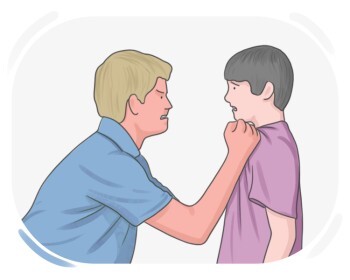
a type of behavior that involves using violence or threats to scare or hurt smaller or less powerful people

いじめ, 威嚇

いじめ, 威嚇

Ex: Creating a culture of kindness, empathy, and respect is crucial in combating bullying and promoting positive relationships among peers. 

親切、共感、尊敬の文化を作り出すことは、いじめと戦い、仲間同士のポジティブな関係を促進する上で重要です。

corruption
corruption
[名詞]

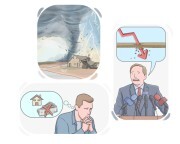
dishonest or illegal conduct, especially by people who hold positions of power or authority

腐敗,  汚職
腐敗, 汚職

Ex: The investigation uncovered widespread corruption among local officials. 
crisis
crisis
[名詞]

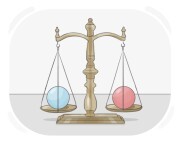
a period of serious difficulty or danger that requires immediate action

危機, 緊急事態
危機, 緊急事態

Ex: During times of crisis, it's essential to remain calm and focused in order to effectively manage the situation and ensure the safety of those involved. 
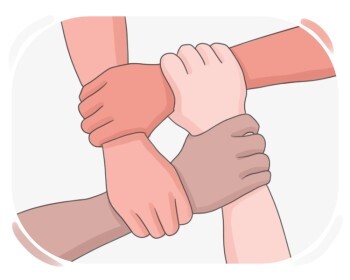
equality
equality
[名詞]

the state of having the same rights, opportunities, treatment, or social status as others

平等,  イコール

平等, イコール

Ex: The organization campaigns for greater equality in the workplace. 
freedom
freedom
[名詞]

the right to act, say, or think as one desires without being stopped, controlled, or restricted

自由

自由

Ex: After years of oppression, they finally gained their freedom. 
gender gap
gender gap
[名詞]

the differences between men and women's rights, opportunities, and treatment in society

ジェンダーギャップ, 性別格差

ジェンダーギャップ, 性別格差

Ex: Bridging the gender gap in technology fields requires addressing systemic barriers and biases that deter women from pursuing careers in STEM. 

技術分野におけるジェンダーギャップを埋めるには、女性がSTEMのキャリアを追求するのを妨げる制度的な障壁や偏見に対処する必要があります。

homelessness
homelessness
[名詞]

the fact or condition of not having a home

ホームレス状態, 住居喪失

ホームレス状態, 住居喪失

Ex: The city has launched several initiatives to reduce homelessness and provide support to those in need. 

その都市は、ホームレス問題を減らし、困っている人々に支援を提供するためのいくつかの取り組みを開始しました。
immigration
immigration
[名詞]

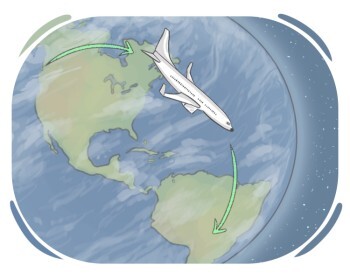
the fact or process of coming to another country to permanently live there

移民

移民

Ex: The country has seen a rise in immigration due to its strong job market and high quality of life. 

その国は、強力な労働市場と高い生活の質のために移民の増加を見ています。

issue
issue
[名詞]

problems or difficulties that arise, especially in relation to a service or facility, which require resolution or attention

問題, 困難
問題, 困難

Ex: The software update aimed to fix the issue of frequent system crashes. 
malnutrition
malnutrition
[名詞]

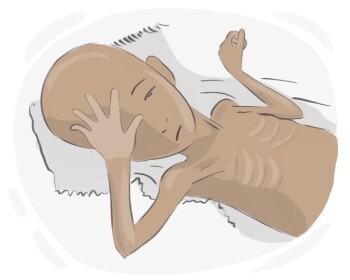
a condition in which a person does not have enough food or good food to eat in order to stay healthy

栄養失調, 栄養不良

栄養失調, 栄養不良

Ex: Despite progress in recent years, malnutrition continues to be a significant challenge, highlighting the need for sustained efforts and investment in nutrition programs and policies. 

近年の進歩にもかかわらず、栄養失調は依然として重要な課題であり、栄養プログラムと政策への持続的な努力と投資の必要性を強調しています。
obesity
obesity
[名詞]

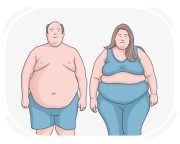
the condition of having such a high amount of body fat that it becomes very dangerous for one's health

肥満, 過体重

肥満, 過体重

Ex: Addressing obesity requires a multifaceted approach that includes promoting healthy eating habits, regular physical activity, and community-wide initiatives. 

肥満に対処するには、健康的な食習慣の促進、定期的な身体活動、コミュニティ全体の取り組みを含む多面的なアプローチが必要です。
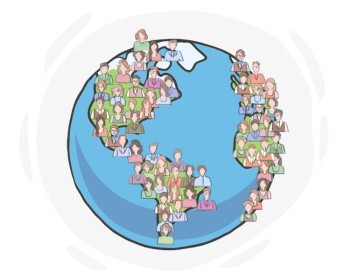
overpopulation

a situation where the number of people living in a particular area is more than the capacity of the environment to support them

過密人口, 人口過剰

過密人口, 人口過剰

Ex: Overpopulation has led to a shortage of housing in many cities. 

人口過剰は多くの都市で住宅不足を引き起こしました。

peer pressure

a strong feeling to seek approval from people of one's age by doing what they do or by behaving like them

仲間からの圧力, 同年代からの影響

仲間からの圧力, 同年代からの影響

Ex: Parents and educators play a crucial role in teaching young people how to recognize and respond to peer pressure in healthy and constructive ways. 

親や教育者は、若者が健康的で建設的な方法で仲間からの圧力を認識し、それに対応する方法を教える上で重要な役割を果たします。
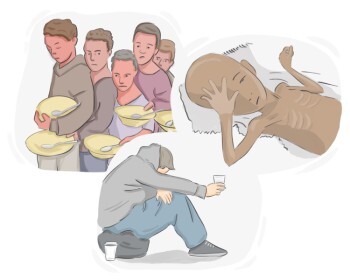
poverty
poverty
[名詞]

the condition of lacking enough money or income to afford basic needs like food, clothing, etc.

貧困
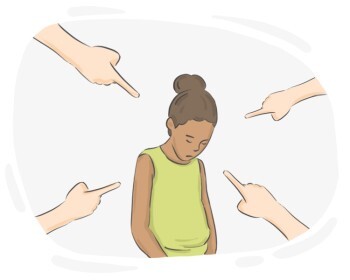
貧困

Ex: Despite efforts to improve conditions, poverty continues to affect millions globally. 
racism
racism
[名詞]

harmful or unfair actions, words, or thoughts directed at people of different races, often based on the idea that one’s own race is more intelligent, moral, or worthy

人種差別, 人種的差別

人種差別, 人種的差別

Ex: She was shocked by the racism she faced at the store. 

彼女は店で直面した人種差別にショックを受けました。

security
security
[名詞]

the state of being protected or having protection against any types of danger

安全
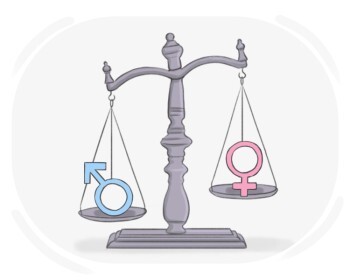
安全

Ex: She invested in a high-quality safe to enhance the security of her valuable items. 
sexism
sexism
[名詞]

the belief or behavior that one sex is less important, capable, or valuable than the other

性差別, ジェンダー差別

性差別, ジェンダー差別

Ex: She spoke out against sexism at work. 

彼女は職場での性差別に反対して発言した。

shortage
shortage
[名詞]

a situation in which there is not enough of something that is needed or wanted

不足,  欠乏

不足, 欠乏

Ex: The hospital is facing a serious shortage of nurses. 
modern slavery

a situation in which people are forced work against their will through threats or violence that prevents them from escaping

現代の奴隷制, 現代の強制労働

現代の奴隷制, 現代の強制労働

Ex: Victims of modern slavery may be subjected to forced labor, where they are coerced to work under threat or deception, or they may be trafficked for purposes such as sexual exploitation or forced marriage. 

現代の奴隷制の被害者は、脅迫や欺瞞の下で働かされる強制労働にさらされる可能性があり、または性的搾取や強制結婚などの目的で人身売買される可能性があります。

social inequality

the unjust and unequal distribution of wealth and opportunities in a society, often based on factors such as race, gender, ethnicity, etc.

社会的な不平等, 社会的不公正

社会的な不平等, 社会的不公正

Ex: Social inequality undermines social cohesion and stability, hindering the overall progress and well-being of society as a whole. 

社会的な不平等は社会の結束と安定を損ない、社会全体の進歩と福祉を妨げます。

stability
stability
[名詞]

the state or quality of being steady, secure, and unlikely to move or change suddenly

安定,  安定性

安定, 安定性

Ex: The country enjoyed several years of political stability. 
social service

services or activities that are intended to help people with financial or family problems, provided by the government

社会福祉サービス, 社会福祉支援

社会福祉サービス, 社会福祉支援

Ex: Governments, nonprofits, and community groups collaborate to develop and implement effective social service initiatives tailored to meet the unique needs of diverse populations. 

政府、非営利団体、コミュニティグループは、多様な人口の独自のニーズを満たすために調整された効果的な社会サービスのイニシアチブを開発し、実施するために協力します。

welfare
welfare
[名詞]

efforts, policies, or procedures designed to promote the basic well-being of people, often by providing services or protections

社会福祉, 社会保障
社会福祉, 社会保障

Ex: Welfare initiatives aim to reduce poverty and inequality. 
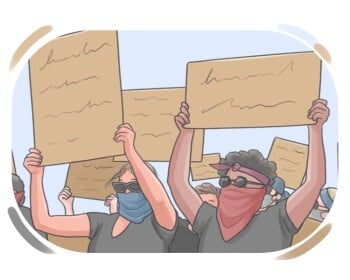
to protest
to protest
[動詞]

to show disagreement by taking action or expressing it verbally, particularly in public

抗議する, デモを行う

抗議する, デモを行う

Ex: The community members held signs and chanted slogans to protest the closure of their local library. 
war
war
[名詞]

a competitive or aggressive situation between people, groups, companies, etc.

戦争,  紛争

戦争, 紛争

Ex: The two neighbors were at war over the boundary dispute. 
drug
drug
[名詞]

any illegal substance that people take in order to experience its mental or physical effects

薬物, 麻薬

薬物, 麻薬

Ex: Drugs, like cocaine and heroin, can have profound and often harmful effects on individuals' mental and physical health. 
damage
damage
[名詞]

harmful effects caused by an action, event, or situation

損害, 被害

損害, 被害

Ex: His harsh words did emotional damage to her confidence. 
brain drain
brain drain
[名詞]

a situation in which highly intelligent or skilled people of a country move to another country so that they can live a better life

頭脳流出, 優秀な人材の海外流出

頭脳流出, 優秀な人材の海外流出

Ex: Policies to reduce brain drain include better salaries, research opportunities, and career development programs. 

頭脳流出を減らすための方策には、より良い給与、研究の機会、キャリア開発プログラムが含まれる。

ignorant
ignorant
[形容詞]

unaware or uninformed because of a lack of relevant knowledge

無知な, 知らない

無知な, 知らない

Ex: He was ignorant of the new regulations. 

彼は新しい規制について無知だった。

LanGeek
LanGeekアプリをダウンロード