pattern

Cambridge IELTS 17 - アカデミック - テスト1 - 読解 - パッセージ2 (1)

Cambridge IELTS 17 Academic、Test 1、Reading Passage 2の最初の部分から、テキストの有用な単語や表現を使って語彙を学びましょう。

レビュー

フラッシュカード

語形

綴り

クイズ
学習を開始
Cambridge IELTS 17 - Academic
vast
vast
[形容詞]

extremely great in extent, size, or area

広大な, 膨大な

広大な, 膨大な

Ex: A vast plain stretched toward the mountains. 
sporting
sporting
[形容詞]

relating to, used in, or involving sports

スポーツの, スポーツ用の
スポーツの, スポーツ用の

Ex: The city will host several major sporting events this summer. 
medieval
medieval
[形容詞]

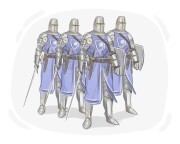
belonging or related to the Middle Ages, the period in European history from roughly the 5th to the 15th century

中世の, 中世に属する

中世の, 中世に属する

Ex: The museum has a collection of medieval manuscripts that date back to the 12th century. 

その博物館には12世紀にさかのぼる中世の写本のコレクションがあります。

cathedral
cathedral
[名詞]

the largest and most important church of a specific area, which is controlled by a bishop

大聖堂, カテドラル

大聖堂, カテドラル

Ex: The cathedral is known for its stunning Gothic architecture and intricate stained glass windows. 

大聖堂は、その見事なゴシック建築と複雑なステンドグラスの窓で知られています。

to dominate
to dominate
[動詞]

to be more numerous, powerful, or significant than everything else around it

支配する, 優勢である
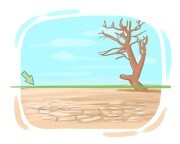
支配する, 優勢である

Ex: Black cars dominated the parking lot, making the white ones barely noticeable. 
skyline
skyline
[名詞]

the line at which the sky and Earth appear to meet

地平線, 水平線

地平線, 水平線

era
era
[名詞]

a period of history characterized by particular events, developments, or features

Ex: The discovery marked the beginning of a new era in medicine. 
to regard
to regard
[動詞]

to think about someone or something in a specified way

見なす, 評価する

見なす, 評価する

Ex: She regards her colleagues as valuable contributors to the team. 
skepticism
skepticism
[名詞]

a doubting or questioning attitude towards ideas, beliefs, or claims that are generally accepted

懐疑主義

懐疑主義

Ex: Her skepticism about the new diet fad led her to research its effectiveness before trying it. 

新しいダイエットの流行に対する彼女の懐疑は、試す前にその効果を調べさせた。

to soar
to soar
[動詞]

to increase rapidly to a high level

急上昇する, 高騰する

急上昇する, 高騰する

Ex: The price of Bitcoin soared to an all-time high last week. 

ビットコインの価格は先週、史上最高値に急騰しました。

notably
notably
[副詞]

in a way that is significant

顕著に、特に

顕著に、特に

Ex: The city's skyline is notably different after the recent construction of several high-rise buildings. 

最近のいくつかの高層ビルの建設後、街のスカイラインは著しく異なっています。

disuse
disuse
[名詞]

the state of something that has been unused and neglected

不使用, 放置

不使用, 放置

disrepair
disrepair
[名詞]

a damaged or broken state of a building or other structure, because it has not been taken care of

荒廃, 不良状態

荒廃, 不良状態

case
case
[名詞]

a particular situation defined by specific circumstances

場合, 事例

場合, 事例

Ex: In many cases, the outcome is predictable. 
to drive
to drive
[動詞]

to be the influencing factor that causes something to make progress

駆り立てる, 推進する

駆り立てる, 推進する

Ex: What's driving the expansion of the tech industry is the rapid pace of innovation. 
to adapt
to adapt
[動詞]

to change one's behavior or habits in order to deal successfully with a new situation or environment

Ex: Emma adapted quickly to her new school. 
mono-
mono-
[接頭辞]

used to form words that relate to concepts or entities that are singular or alone

モノ-, 単-

モノ-, 単-

Ex: The city built a monorail to reduce traffic congestion. 

その都市は交通渋滞を減らすためにモノレールを建設しました。

functional
functional
[形容詞]

designed mainly to be practical and useful rather than attractive

機能的な, 実用的な

機能的な, 実用的な

Ex: The apartment has simple, functional furniture that is easy to maintain. 
sports arena
sports arena
[名詞]

a building for indoor sports

スポーツアリーナ, 室内競技場

スポーツアリーナ, 室内競技場

emblematic
emblematic
[形容詞]

functioning as a recognizable symbol of an abstract idea or quality

象徴的な, 表徴的な
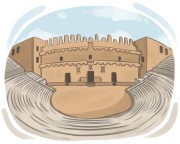
象徴的な, 表徴的な

Ex: The olive branch is emblematic of peace. 
amphitheater
amphitheater
[名詞]

an open building that is round or oval in shape and has a space in the middle surrounded by several seats, originated in ancient Roman and Greek architecture used for public entertainments such as sports or drama

円形劇場, アリーナ

円形劇場, アリーナ

Ex: Tourists marveled at the ruins of the ancient Greek amphitheater. 

観光客は古代ギリシャの円形劇場の遺跡に驚嘆しました。

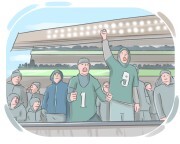
spectator
spectator
[名詞]

a person who watches sport competitions closely

観客, 見物人

観客, 見物人

Ex: The enthusiastic spectator cheered loudly as her favorite team scored the winning goal in the final minutes of the match. 

熱狂的な観客は、彼女のお気に入りのチームが試合の最終分に決勝点を決めたとき、大声で応援した。

versatile
versatile
[形容詞]

(of things) able to be used or applied in multiple ways or for various purposes

多目的な、さまざまな方法や目的で使用または適用できる

多目的な、さまざまな方法や目的で使用または適用できる

Ex: A versatile wardrobe is essential for traveling, as it allows you to mix and match different outfits. 

旅行には多目的なワードローブが不可欠です。なぜなら、さまざまな服装をミックスしてマッチさせることができるからです。

fortress
fortress
[名詞]

a structure or town that has been designed for military defense against enemy attacks

要塞, 城塞

要塞, 城塞

Ex: The ancient fortress stood atop the hill, overlooking the surrounding countryside. 

古代の要塞は丘の頂上に立ち、周囲の田園地帯を見下ろしていた。

conservation
conservation
[名詞]

the protection, maintenance, and restoration of objects, buildings, or works of artistic or historical significance

保存, 保全

保存, 保全

Ex: Experts focus on the conservation of historic monuments. 
to convert
to convert
[動詞]

to change the form, purpose, character, etc. of something

変換する, 変える

変換する, 変える

Ex: She decided to convert the spare room into a home office for remote work. 
staging
staging
[名詞]

the production of a drama on the stage

上演, 舞台制作

上演, 舞台制作

bullfight
bullfight
[名詞]

a public entertainment, particularly in Spain, in which someone fights a bull and usually kills it

闘牛

闘牛

Ex: The matador prepared meticulously for the bullfight, checking his cape and sword one last time. 

闘牛士は闘牛のために細心の注意を払って準備をし、ケープと剣を最後にもう一度チェックした。

venue
venue
[名詞]

the place where an event, meeting, performance, or other activity takes place

会場,  開催地

会場, 開催地

Ex: The hotel was chosen as the venue for the conference. 
spectacle
spectacle
[名詞]

a thing or person that is striking or impressive to see, often because it is unusual or remarkable

光景, 眺め

光景, 眺め

Ex: The solar eclipse was a natural spectacle that drew crowds from around the world. 
imposing
imposing
[形容詞]

impressive or grand in appearance, size, presence that inspires respect, admiration, or awe

印象的な, 壮大な

印象的な, 壮大な

Ex: The castle stood on the hill, its imposing towers visible from miles away. 

城は丘の上に立ち、その威圧的な塔は何マイルも先から見えました。

colosseum
colosseum
[名詞]

a large amphitheater in Rome whose construction was begun by Vespasian about AD 75 or 80

コロッセオ, フラウィウス円形競技場

コロッセオ, フラウィウス円形競技場

to endure
to endure
[動詞]

to remain in existence or functional over a long period of time

耐える, 持ちこたえる
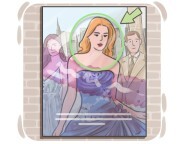
耐える, 持ちこたえる

Ex: Despite regular use, the phone's battery continues to endure through long days. 
prime
prime
[形容詞]

first in importance or rank

主要な, 最初の

主要な, 最初の

Ex: She holds the prime position in the company as the CEO. 
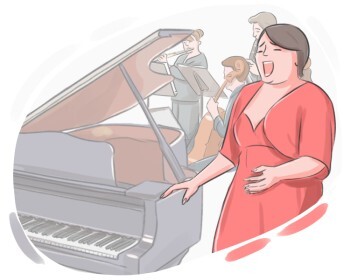
opera
opera
[名詞]

a dramatic work in which all or most of the words are sung with musical accompaniment
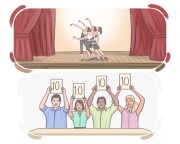
Ex: Emma saw her first opera at the age of twelve. 
outstanding
outstanding
[形容詞]

superior to others in terms of excellence

傑出した, 卓越した

傑出した, 卓越した

Ex: The company's outstanding customer service sets it apart from competitors. 

会社の卓越したカスタマーサービスは、競合他社との差別化を図っています。

acoustic
acoustic
[名詞]

the qualities of a space that influence how sound is heard within it, including clarity, loudness, and resonance

音響, 音響特性

音響, 音響特性

Ex: The concert hall’s excellent acoustics allow every instrument to be distinctly heard. 

コンサートホールの優れた音響により、すべての楽器がはっきりと聞こえます。

to absorb
to absorb
[動詞]

to incorporate a person, group, organization, or thing into a larger whole

吸収する
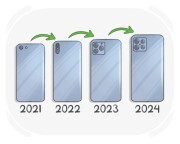
吸収する

Ex: The larger company absorbed several smaller competitors. 
progressively

in a manner that advances or develops gradually over time

徐々に, だんだんと

徐々に, だんだんと

Ex: The student's understanding of the subject improved progressively throughout the semester. 

学生のその科目に対する理解は学期を通じて徐々に向上しました。

variously
variously
[副詞]

in different ways

様々に、異なる方法で

様々に、異なる方法で

Ex: The term can be interpreted variously depending on context. 

この用語は、文脈に応じてさまざまに解釈することができます。

depot
depot
[名詞]

a location in which goods or products are stored

デポ

デポ

Ex: The furniture depot had a wide selection of items available for immediate pickup. 

家具のデポには、すぐに受け取れる品物が豊富に揃っていました。

to revert
to revert
[動詞]

to go back to a previous state, condition, or behavior

戻る, 復帰する

戻る, 復帰する

Ex: After the updates caused issues, they decided to revert to the previous version of the software. 

更新が問題を引き起こした後、彼らはソフトウェアの以前のバージョンに戻すことを決めました。
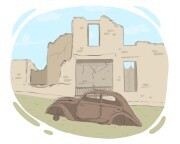
ruin
ruin
[名詞]

the remains of a building, town, or other structure that has been destroyed or fallen into decay
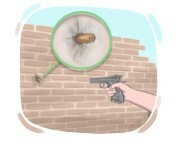
Ex: Tourists explored the ruins of the ancient city. 
to embed
to embed
[動詞]

to firmly and deeply fix something in something else

埋め込む, はめ込む

埋め込む, はめ込む

Ex: The artist decided to embed colorful gems into the sculpture to add a touch of sparkle. 

アーティストは、彫刻にカラフルな宝石を埋め込むことを決め、輝きを加えました。

residence
residence
[名詞]

the place where someone lives, especially their home

居住地,  住居

居住地, 住居

Ex: Please provide your current residence on the application form. 
reinforced concrete

a composite material that consists of concrete and embedded reinforcement, typically steel bars or mesh

鉄筋コンクリート, 強化コンクリート

鉄筋コンクリート, 強化コンクリート

tier
tier
[名詞]

one of several rows or layers arranged one above another

段,  層

段, 層

Ex: The cake had a tier decorated with fresh flowers. 
to situate
to situate
[動詞]

to place something in a particular location or position

位置づける,  配置する
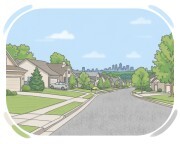
位置づける, 配置する

Ex: The city plans to situate the new fire station near the highway. 
suburban
suburban
[形容詞]

characteristic of or relating to a residential area outside a city or town

郊外の, 住宅地の
郊外の, 住宅地の

Ex: The suburban neighborhood was known for its quiet streets and spacious homes. 
accessible
accessible
[形容詞]

(of a place) able to be reached, entered, etc.

アクセス可能な

アクセス可能な

Ex: The wheelchair ramp made the building more accessible to people with mobility impairments. 

車椅子用のスロープは、移動障害のある人々にとって建物をよりアクセス可能にしました。

to contribute

to be one of the causes or reasons that helps something happen

寄与する, 一因となる

寄与する, 一因となる

Ex: His hard work contributed to the project's success. 
innovative
innovative
[形容詞]

(of a person) producing creative and original ideas, equipment, methods, etc.

革新的な, 独創的な

革新的な, 独創的な

Ex: She is an innovative designer who sets trends. 

彼女はトレンドを設定する革新的なデザイナーです。

romanticist
romanticist
[名詞]

someone who supports or follows the ideas of Romanticism, which focus on strong emotions, imagination, nature, and individual freedom, especially in art, literature, or philosophy

ロマン主義者, ロマン主義の追随者

ロマン主義者, ロマン主義の追随者

Ex: As a romanticist, he believed that art should express inner feelings. 

ロマン主義者として、彼は芸術が内なる感情を表現すべきだと信じていました。

fabric
fabric
[名詞]

the basic structure or framework that holds a system, society, or organization together

織り成すもの, 構造

織り成すもの, 構造

Ex: Trust is an important part of the fabric of a healthy society. 
scope
scope
[名詞]

the opportunity or capacity to do or achieve something

範囲, 余地

範囲, 余地

Ex: There's plenty of scope for improvement in the current system. 
LanGeek
LanGeekアプリをダウンロード