pattern

Cambridge English: CAE (C1 Advanced) - Болезни, Травмы и Особые Состояния

Обзор

Флэш-карточки

формы

Правописание

Тест
Начать учиться
Cambridge English: CAE (C1 Advanced)
to discharge
to discharge
[глагол]

(of a wound or body part) to slowly release an infectious liquid, called pus

выделение

выделение

Ex: The wound care team regularly cleaned and dressed the wound to minimize the risk of it discharging pus .

Команда по уходу за ранами регулярно очищала и перевязывала рану, чтобы минимизировать риск выделения гноя.

Закрыть
Войти
dumb
dumb
[прилагательное]

unable to speak

немой

немой

Ex: In historical contexts , the term "dumb" was often used to describe individuals with speech impairments or those who could not speak for various reasons .

В исторических контекстах термин "немой" часто использовался для описания людей с нарушениями речи или тех, кто не мог говорить по разным причинам.

Закрыть
Войти
deaf
deaf
[прилагательное]

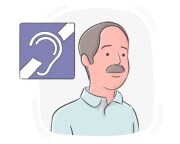
partly or completely unable to hear

глухой

глухой

Ex: He learned to lip-read to better understand conversations as he grew increasingly deaf.

Он научился читать по губам, чтобы лучше понимать разговоры, так как становился все более глухим.

Закрыть
Войти
terminally
terminally
[наречие]

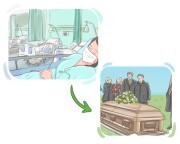
in a manner that denotes an illness or condition that is incurable and expected to result in death

терминально, в терминальной стадии

терминально, в терминальной стадии

Ex: Clinical notes recorded that the disease had progressed to a terminally fatal stage .

Клинические записи отметили, что болезнь прогрессировала до терминальной смертельной стадии.

Закрыть
Войти
blister
blister
[существительное]

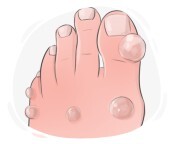
a swollen area on the skin filled with liquid, caused by constant rubbing or by burning

волдырь

волдырь

Ex: In severe cases , large or infected blisters may require medical attention to prevent complications and promote healing .

В тяжелых случаях большие или инфицированные волдыри могут потребовать медицинской помощи для предотвращения осложнений и ускорения заживления.

Закрыть
Войти
to dislocate
to dislocate
[глагол]

to suddenly cause a bone to move out of its normal position

вывихнуть

вывихнуть

Ex: The wrestler dislocated his elbow during the match .

Борец вывихнул локоть во время матча.

Закрыть
Войти
to fracture
to fracture
[глагол]

to sustain a break or crack in a bone

ломать, сломаться

ломать, сломаться

Ex: The child's shin bone fractured while playing on the playground.

Большеберцовая кость ребенка сломалась, когда он играл на детской площадке.

Закрыть
Войти
to infect
to infect
[глагол]

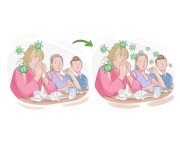
to transmit a disease to a person, animal, or plant

заражаться

заражаться

Ex: If proper precautions are not taken , the virus will likely infect more individuals .

Если не принять надлежащих мер предосторожности, вирус, скорее всего, заразит больше людей.

Закрыть
Войти
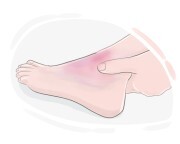
relief
relief
[существительное]

a feeling of comfort that comes when something annoying or upsetting is gone

облегчение
облегчение

Ex: She experienced great relief when the missing pet was found .

Она испытала большое облегчение, когда пропавшее домашнее животное было найдено.

Закрыть
Войти
to sprain
to sprain
[глагол]

(of a ligament) to be suddenly twisted, which results in much pain

растягивать

растягивать

Ex: He sprains his leg easily because of his weak joints .

Он легко растягивает ногу из-за слабых суставов.

Закрыть
Войти
swelling
swelling
[существительное]

an area of one's body that has become unusually larger, caused by an injury or sickness

припухлость

припухлость

Ex: In some cases , swelling can be managed with over-the-counter medications like ibuprofen , which help reduce inflammation and pain .

В некоторых случаях отек можно контролировать с помощью безрецептурных лекарств, таких как ибупрофен, которые помогают уменьшить воспаление и боль.

Закрыть
Войти
under the weather
under the weather
[фраза]

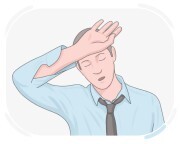
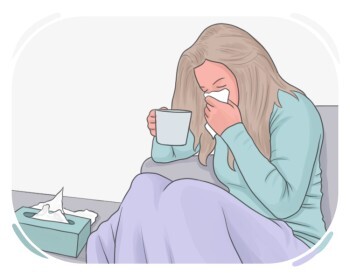
feeling unwell or slightly ill

нездоровый

нездоровый

Ex: I've been under the weather all week with a cold.
Закрыть
Войти
repetitive strain injury
[существительное]

damage to muscles, tendons, or other soft tissues that develops over time from repetitive movements, prolonged overuse, or sustained awkward posture during work or daily activities

травма от повторяющегося напряжения

травма от повторяющегося напряжения

Ex: Physical therapy focused on strengthening and stretching to help recover from the repetitive strain injury.

Физиотерапия была сосредоточена на укреплении и растяжке, чтобы помочь восстановиться после повторяющейся травмы от напряжения.

Закрыть
Войти
to hiccup
to hiccup
[глагол]

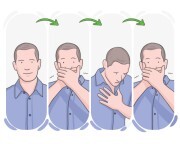
to make a sudden, involuntary sound caused by a spasm of the diaphragm, often as a result of eating or drinking too quickly

икать

икать

Ex: He was embarrassed when he hiccupped while meeting his boss .

Он был смущен, когда икнул во время встречи со своим начальником.

Закрыть
Войти
color blindness
color blindness
[существительное]

a condition where a person has trouble seeing certain colors or distinguishing between them

дальтонизм, нарушение цветового зрения

дальтонизм, нарушение цветового зрения

Ex: People with color blindness may use special glasses to help them see colors better .

Люди с дальтонизмом могут использовать специальные очки, чтобы лучше видеть цвета.

Закрыть
Войти
to choke
to choke
[глагол]

to block the throat, hinder breathing and cause suffocation

душить, перекрывать дыхание

душить, перекрывать дыхание

Ex: In a dangerous situation , the officer quickly choked the armed suspect to prevent further harm .

В опасной ситуации офицер быстро задушил вооруженного подозреваемого, чтобы предотвратить дальнейший вред.

Закрыть
Войти
insomnia
insomnia
[существительное]

a disorder in which one is unable to sleep or stay asleep

бессонница

бессонница

Ex: Despite feeling exhausted , his insomnia made it impossible for him to get a good night 's rest .

Несмотря на чувство истощения, его бессонница сделала невозможным для него хороший ночной отдых.

Закрыть
Войти
high blood pressure
high blood pressure
[существительное]

a chronic condition in which the force of blood against arterial walls is persistently elevated, increasing risk of heart disease, stroke, and other complications

высокое кровяное давление, гипертония

высокое кровяное давление, гипертония

Ex: Many people with high blood pressure feel fine , which is why screening is important .

Многие люди с высоким кровяным давлением чувствуют себя хорошо, поэтому скрининг важен.

Закрыть
Войти
obesity
obesity
[существительное]

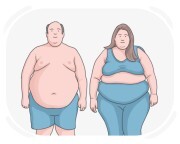
the condition of having such a high amount of body fat that it becomes very dangerous for one's health

тучность

тучность

Ex: Addressing obesity requires a multifaceted approach that includes promoting healthy eating habits , regular physical activity , and community-wide initiatives .

Ожирение требует комплексного подхода, который включает пропаганду здорового питания, регулярную физическую активность и общественные инициативы.

Закрыть
Войти
to wear out
to wear out
[глагол]

to make someone tired because of strain or stress

изнурять, утомлять

изнурять, утомлять

Ex: Don't wear yourself out by working too many hours without breaks.

Не изматывайте себя, работая слишком много часов без перерывов.

Закрыть
Войти
malaria
malaria
[существительное]

a potentially fatal disease normally transmitted to humans through the bite of an infected Anopheles mosquito

малярия

малярия

Ex: The outbreak of malaria in the village prompted a swift response from medical teams .

Вспышка малярии в деревне вызвала быстрый ответ медицинских бригад.

Закрыть
Войти
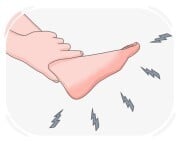
to pinch
to pinch
[глагол]

to cause discomfort or distress

щипать, сжимать
щипать, сжимать

Ex: The sharp criticism from her boss pinched her self-esteem .

Резкая критика от её начальника уязвила её самооценку.

Закрыть
Войти
to tingle
to tingle
[глагол]

to make a part of the body feel a bit ticklish or have a slight, unusual sensation

покалывать, щипать

покалывать, щипать

Ex: Last night , the cool breeze tingled my face during the walk .

Прошлой ночью прохладный ветерок покалывал мое лицо во время прогулки.
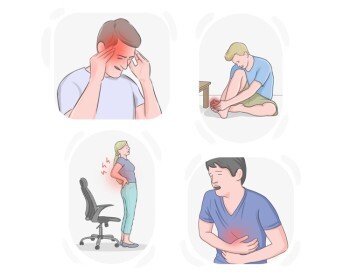
Закрыть
Войти
agony
agony
[существительное]

severe physical or mental pain

мучения

мучения

Ex: Patients with severe burns often experience excruciating agony during treatment .

Пациенты с тяжелыми ожогами часто испытывают мучительную агонию во время лечения.

Закрыть
Войти
to flag
to flag
[глагол]

to lose energy, strength, and enthusiasm

ослабевать

ослабевать

Ex: Without regular breaks , employees ' productivity tends to flag during long workdays .

Без регулярных перерывов продуктивность сотрудников имеет тенденцию снижаться в течение длинных рабочих дней.

Закрыть
Войти
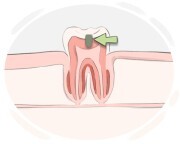
cavity
cavity
[существительное]

a hole in a tooth that is caused by decay

полость

полость

Ex: Untreated cavities can deepen and eventually require root canal treatment or extraction .

Нелеченные кариесы могут углубляться и в конечном итоге потребовать лечения корневого канала или удаления.

Закрыть
Войти
trauma
trauma
[существительное]

a medical condition of the mind caused by extreme shock, which could last for a very long time

травма

травма

Ex: Witnessing a natural disaster can leave survivors with lasting trauma and fear .

Наблюдение за стихийным бедствием может оставить у выживших длительную травму и страх.

Закрыть
Войти
breakdown
breakdown
[существительное]

a condition in which a person becomes so anxious or depressed that they can no longer handle their everyday life

нервный срыв

нервный срыв

Ex: The intense academic pressure during finals week caused several students to suffer breakdowns.

Интенсивное академическое давление во время недели финальных экзаменов привело к тому, что несколько студентов пострадали от нервного срыва.

Закрыть
Войти
amnesia
amnesia
[существительное]

a severe medical condition that leads to partial or complete loss of memory

амнезия

амнезия

Ex: The patient 's amnesia after the surgery prompted the team to review the anesthetic record for possible causes .

Амнезия пациента после операции побудила команду пересмотреть анестезиологическую документацию для выявления возможных причин.

Закрыть
Войти
neurosis
neurosis
[существительное]

a mental condition that is not caused by organic disease in which one is constantly anxious, worried, and stressed

невроз

невроз

Ex: Symptoms of neurosis can include persistent feelings of sadness , irritability , and fear , often without a clear or rational cause .

Симптомы невроза могут включать постоянные чувства грусти, раздражительности и страха, часто без ясной или рациональной причины.

Закрыть
Войти
(bundle|bag) of nerves
bundle of nerves
[фраза]

an extremely anxious or nervous person

нервный человек

нервный человек

Ex: With relaxation techniques, he can manage his anxiety and avoid being a bag of nerves in stressful situations.
Закрыть
Войти
anxiety disorder
anxiety disorder
[существительное]

a group of mental health conditions marked by persistent, excessive fear or worry, that interferes with daily functioning

тревожное расстройство, расстройство тревоги

тревожное расстройство, расстройство тревоги

Ex: The clinician explained that anxiety disorders often co‑occur with depression and require coordinated treatment .

Клиницист объяснил, что тревожные расстройства часто сосуществуют с депрессией и требуют скоординированного лечения.

Закрыть
Войти
LanGeek
Скачать приложение LanGeek