
Cambridge English: CAE (C1 Advanced) - Choroby, Urazy i Określone Stany
Naucz się zaawansowanego słownictwa CAE dotyczącego chorób, urazów i schorzeń, w tym objawów, zaburzeń, bólu, rekonwalescencji i konkretnych problemów zdrowotnych.
Przegląd
Fiszki
formy
Pisownia
Test

(of a wound or body part) to slowly release an infectious liquid, called pus

ropieć, wydzielać ropę
Rana stawała się coraz bardziej bolesna i zaczęła wydzielać ropę, co skłoniło pacjenta do poszukiwania pomocy medycznej.
unable to speak
niemy, głuchoniemy
Niemy bohater w sztuce komunikował się za pomocą gestów i wyrazu twarzy.
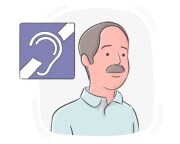
partly or completely unable to hear
głuchy, niedosłyszący
Nosi aparaty słuchowe, aby pomóc jej w rozmowach, ponieważ jest częściowo głucha.
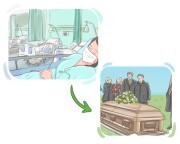
in a manner that denotes an illness or condition that is incurable and expected to result in death
terminalnie, w fazie terminalnej
Zespół hospicyjny wspiera pacjentów w stanie terminalnym i ich rodziny.
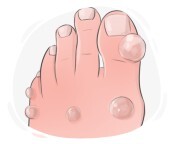
a swollen area on the skin filled with liquid, caused by constant rubbing or by burning
pęcherz, bąbel
Aby leczyć pęcherz, ważne jest, aby utrzymywać go w czystości, unikać przekłuwania, jeśli to możliwe, aby zapobiec infekcji, i chronić go bandażem lub podkładką.
to suddenly cause a bone to move out of its normal position
zwichnąć, przemieszczać
Piłkarz zwichnął łokieć podczas szarży i został wyniesiony z boiska.
to sustain a break or crack in a bone
złamać, złamać się
Stopa biegacza złamała się, gdy weszła w dziurę.
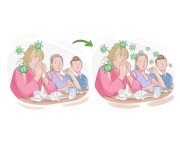
to transmit a disease to a person, animal, or plant
zarażać, infekować
W zeszłym miesiącu wybuch szybko zaraził znaczną liczbę ludzi.
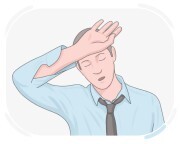
a feeling of comfort that comes when something annoying or upsetting is gone
ulga, pocieszenie
Ogłoszenie przyniosło ulgę zaniepokojonemu tłumowi.
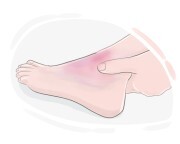
(of a ligament) to be suddenly twisted, which results in much pain
skręcić, zwichnąć
Często zwichuje nogę podczas długich spacerów.
an area of one's body that has become unusually larger, caused by an injury or sickness
obrzęk, opuchlizna
Jeśli obrzęk utrzymuje się lub towarzyszy mu silny ból, zaczerwienienie lub ciepło, może to być oznaką poważniejszego stanu wymagającego pomocy medycznej.
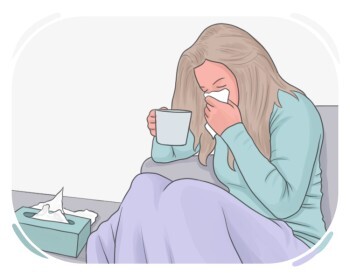
feeling unwell or slightly ill
niedyspozycja, słaby
Nie przychodź do pracy, jeśli czujesz się niedysponowany.
damage to muscles, tendons, or other soft tissues that develops over time from repetitive movements, prolonged overuse, or sustained awkward posture during work or daily activities
uraz z powtarzalnego wysiłku, zaburzenie mięśniowo-szkieletowe
Ignorowanie wczesnego mrowienia i bólu pozwoliło, by uraz z powodu powtarzającego się wysiłku stał się przewlekły.
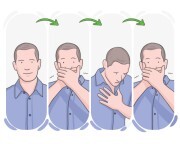
to make a sudden, involuntary sound caused by a spasm of the diaphragm, often as a result of eating or drinking too quickly
czkać, mieć czkawkę
Maluch czkawkał po chciwym zjedzeniu lodów.
a condition where a person has trouble seeing certain colors or distinguishing between them
daltonizm, wada wzroku dotycząca rozpoznawania kolorów
Niektóre formy daltonizmu są dziedziczone od członków rodziny.
to block the throat, hinder breathing and cause suffocation
dusić, dławić
W obliczu nieuchronnego niebezpieczeństwa, instynktownie udusił intruza, który zagrażał jego rodzinie.
a disorder in which one is unable to sleep or stay asleep
bezsenność, zaburzenia snu
Wiele osób cierpiących na bezsenność zauważa, że ograniczenie czasu przed ekranem przed snem może znacznie poprawić ich zdolność do zasypiania.
a chronic condition in which the force of blood against arterial walls is persistently elevated, increasing risk of heart disease, stroke, and other complications
wysokie ciśnienie krwi, nadciśnienie
Ona sprawdza swoje ciśnienie krwi w domu dwa razy dziennie, ponieważ jej rodzina ma historię wysokiego ciśnienia krwi.
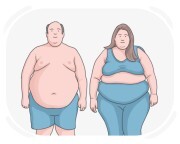
the condition of having such a high amount of body fat that it becomes very dangerous for one's health
otyłość, nadwaga
Otyłość zwiększa ryzyko rozwoju chorób przewlekłych, takich jak cukrzyca, choroby serca i niektóre rodzaje raka.
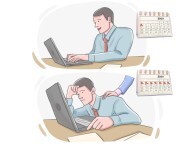
to make someone tired because of strain or stress
wyczerpywać, zmęczyć
Stała presja w pracy wyczerpała jego entuzjazm do pracy.
a potentially fatal disease normally transmitted to humans through the bite of an infected Anopheles mosquito
malaria
Podjęto wiele wysiłków, aby opracować szczepionkę chroniącą przed malarią.
to cause discomfort or distress
szczypać, ściskać
Wspomnienie wypadku wciąż dręczyło jego umysł.
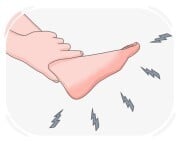
to make a part of the body feel a bit ticklish or have a slight, unusual sensation
mrowić, szczypać
Miętowy balsam mrowi moją skórę po nałożeniu.
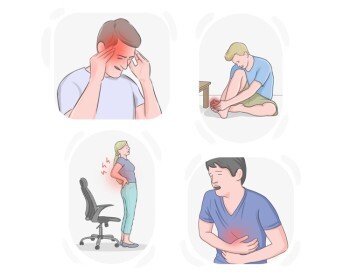
severe physical or mental pain
agonia, cierpienie
Osoby z kamieniami nerkowymi często opisują epizody jako chwile intensywnego cierpienia.
to lose energy, strength, and enthusiasm
słabnąć, opadać z sił
Zainteresowanie studentów wykładem osłabło, gdy przekroczył zaplanowany czas.
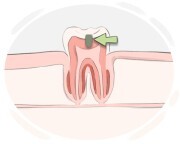
a hole in a tooth that is caused by decay
ubytowanie, próchnica
Wypełnienie zastąpiło ubyt i przywróciło funkcję zęba.
a medical condition of the mind caused by extreme shock, which could last for a very long time
trauma, szok emocjonalny
Terapeuta dostarczył technik zarządzania lękiem i koszmarami związanymi z traumą.
a condition in which a person becomes so anxious or depressed that they can no longer handle their everyday life
załamanie nerwowe, nerwowe załamanie
Szukała terapii, aby wyzdrowieć z załamania nerwowego wywołanego traumatycznym wydarzeniem z dzieciństwa.
a severe medical condition that leads to partial or complete loss of memory
amnezja
Ciężkie używanie alkoholu doprowadziło do epizodu amnezji z omdleniem, podczas którego nie pamiętał niczego z wieczoru.
a mental condition that is not caused by organic disease in which one is constantly anxious, worried, and stressed
nerwica, zaburzenie nerwicowe
W przeciwieństwie do psychozy, nerwica nie wiąże się z utratą kontaktu z rzeczywistością, ale nadal może znacząco wpłynąć na zdrowie psychiczne.

an extremely anxious or nervous person
osoba w nerwach, zestresowany
Po kryzysie finansowym był miesiącami w nerwach.
a group of mental health conditions marked by persistent, excessive fear or worry, that interferes with daily functioning
zaburzenie lękowe, zaburzenie niepokoju
Zmiany stylu życia, takie jak regularne ćwiczenia i higiena snu, pomogły zmniejszyć objawy jego zaburzenia lękowego.
