
Cambridge English: CAE (C1 Advanced) - Nemoci, Zranění a Specifické Stavy
Naučte se pokročilou slovní zásobu CAE pro nemoci, zranění a zdravotní stavy, včetně příznaků, poruch, bolesti, uzdravení a konkrétních zdravotních problémů.
Revize
Kartičky
tvary
Pravopis
Kvíz

(of a wound or body part) to slowly release an infectious liquid, called pus

hnisat, vylučovat hnis
Tým pro péči o rány pravidelně čistil a obvazoval ránu, aby minimalizoval riziko výtoku hnisu.
unable to speak
němý, hluchoněmý
V historických souvislostech byl termín "němý" často používán k popisu jedinců s řečovými vadami nebo těch, kteří z různých důvodů nemohli mluvit.
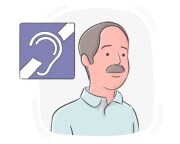
partly or completely unable to hear
hluchý, nedoslýchavý
Naučil se číst ze rtů, aby lépe rozuměl konverzacím, když byl stále více hluchý.
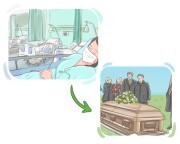
in a manner that denotes an illness or condition that is incurable and expected to result in death
terminálně, v terminálním stádiu
Klinické záznamy zaznamenaly, že onemocnění pokročilo do terminálního smrtelného stadia.
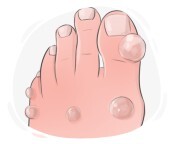
a swollen area on the skin filled with liquid, caused by constant rubbing or by burning
puchýř, blistr
V závažných případech mohou velké nebo infikované puchýře vyžadovat lékařskou péči, aby se předešlo komplikacím a podpořilo hojení.
to suddenly cause a bone to move out of its normal position
vykloubit, přemístit
Zápasník si během zápasu vykloubil loket.
to sustain a break or crack in a bone
zlomit, zlomit se
Dětská holenní kost se zlomila, když si hrála na hřišti.
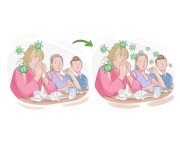
to transmit a disease to a person, animal, or plant
nakazit, infikovat
Pokud nebudou přijata správná opatření, virus pravděpodobně nakazí více jedinců.
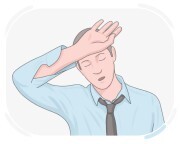
a feeling of comfort that comes when something annoying or upsetting is gone
úleva, útěcha
Cítila velkou úlevu, když se ztracené zvíře našlo.
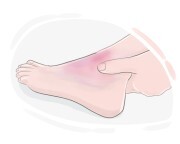
(of a ligament) to be suddenly twisted, which results in much pain
vyvrtnout, natáhnout
Snadno si vyvrtne nohu kvůli slabým kloubům.
an area of one's body that has become unusually larger, caused by an injury or sickness
otok, edém
V některých případech lze otok zvládnout volně prodejnými léky, jako je ibuprofen, které pomáhají snižovat zánět a bolest.
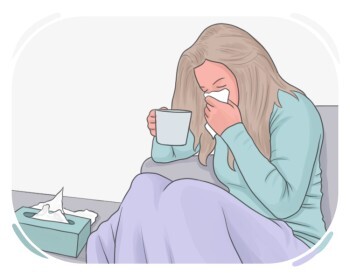
feeling unwell or slightly ill
ne úplně fit, nemocný
Počasí se náhle změnilo a teď se všichni cítí ne úplně fit.
damage to muscles, tendons, or other soft tissues that develops over time from repetitive movements, prolonged overuse, or sustained awkward posture during work or daily activities
poranění z opakovaného namáhání, svalově-kosterní porucha
Fyzioterapie se zaměřila na posílení a protažení, aby pomohla zotavit se z opakovaného namáhání úrazu.
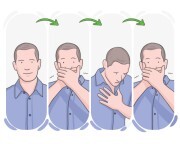
to make a sudden, involuntary sound caused by a spasm of the diaphragm, often as a result of eating or drinking too quickly
škytat, mít škytavku
Byl v rozpacích, když při setkání se svým šéfem škytl.
a condition where a person has trouble seeing certain colors or distinguishing between them
barvoslepost, porucha barevného vidění
Lidé s barvoslepostí mohou používat speciální brýle, které jim pomohou lépe vidět barvy.
to block the throat, hinder breathing and cause suffocation
dusit, škrtit
V nebezpečné situaci důstojník rychle udušil ozbrojeného podezřelého, aby zabránil dalšímu poškození.
a disorder in which one is unable to sleep or stay asleep
nespavost, porucha spánku
Navzdory pocitu vyčerpání mu jeho nespavost znemožnila dobře se v noci vyspat.
a chronic condition in which the force of blood against arterial walls is persistently elevated, increasing risk of heart disease, stroke, and other complications
vysoký krevní tlak, hypertenze
Mnoho lidí s vysokým krevním tlakem se cítí dobře, proto je screening důležitý.
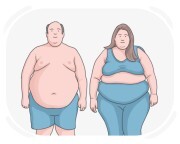
the condition of having such a high amount of body fat that it becomes very dangerous for one's health
obezita, nadváha
Míry obezity se po celém světě neustále zvyšují a stávají se velkým problémem veřejného zdraví v mnoha zemích.
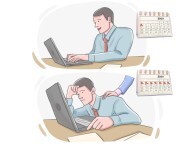
to make someone tired because of strain or stress
vyčerpat, unavit
Neunavujte se prací příliš mnoho hodin bez přestávek.
a potentially fatal disease normally transmitted to humans through the bite of an infected Anopheles mosquito
malárie
Vypuknutí malárie ve vesnici vyvolalo rychlou reakci lékařských týmů.
to cause discomfort or distress
štípat, mačkat
Ostrá kritika od jejího šéfa zranila její sebevědomí.
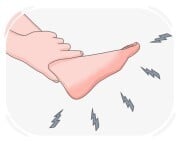
to make a part of the body feel a bit ticklish or have a slight, unusual sensation
brnět, šimrat
Mátový krém šimrá mou pokožku po nanesení.
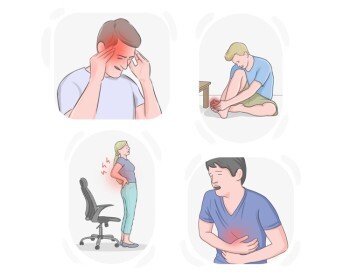
severe physical or mental pain
utrpení, muka
Pacienti s těžkými popáleninami často zažívají nesnesitelnou agonii během léčby.
to lose energy, strength, and enthusiasm
ochabovat, slábnout
Bez pravidelných přestávek má produktivita zaměstnanců tendenci klesat během dlouhých pracovních dnů.
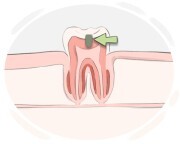
a hole in a tooth that is caused by decay
dutina, kaz
Neléčené kaz se mohou prohloubit a nakonec vyžadovat ošetření kořenového kanálku nebo extrakci.
a medical condition of the mind caused by extreme shock, which could last for a very long time
trauma, emocionální šok
Svědectví přírodní katastrofy může u přeživších zanechat trvalé trauma a strach.
a condition in which a person becomes so anxious or depressed that they can no longer handle their everyday life
nervové zhroucení, nervový kolaps
Intenzivní akademický tlak během zkouškového týdne způsobil, že několik studentů utrpělo nervové zhroucení.
a severe medical condition that leads to partial or complete loss of memory
amnézie
Amnézie pacienta po operaci přiměla tým přezkoumat anesteziologickou dokumentaci kvůli možným příčinám.
a mental condition that is not caused by organic disease in which one is constantly anxious, worried, and stressed
neuróza, neurotická porucha
Příznaky neurózy mohou zahrnovat přetrvávající pocity smutku, podrážděnosti a strachu, často bez jasné nebo racionální příčiny.

an extremely anxious or nervous person
osoba v troskách, nervózní
Pod neustálým tlakem v práci byla úplně v troskách.
a group of mental health conditions marked by persistent, excessive fear or worry, that interferes with daily functioning
úzkostná porucha, porucha úzkosti
Klinik vysvětlil, že úzkostné poruchy často koexistují s depresí a vyžadují koordinovanou léčbu.
