
Гуманитарные Науки SAT - История и Археология
Здесь вы узнаете некоторые английские слова, связанные с историей и археологией, такие как "excavate", "antiquity", "relic" и т. д., которые вам понадобятся для успешной сдачи SAT.
Обзор
Флэш-карточки
Правописание
Тест

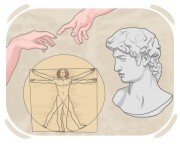
the period between the 14th and 16th centuries in Europe, marked by a rise of interest in Greek and Roman cultures, which is dominant in the art, philosophy, etc. of the times

эпоха Возрождения
Период Возрождения известен своими выдающимися достижениями в искусстве, науке и литературе.

the historical period before the Middle Ages, especially before the sixth century when Greeks and Romans were the most prosperous
древность
Античность относится к периоду в истории до Средних веков, охватывая цивилизации Древней Греции и Рима.
relating to the period of time before the widespread adoption of industrial processes and technologies
доиндустриальный, промышленный доиндустриальный период
Ожидаемая продолжительность жизни была, как правило, короче в доиндустриальных обществах из-за ограниченного доступа к здравоохранению и санитарии.
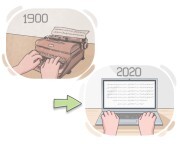
belonging to the current era
современный
Технологии, такие как смартфоны, стали неотъемлемой частью современной повседневной жизни.
an ancient region located in the eastern Mediterranean, primarily within modern-day Iraq, and parts of Iran, Syria, and Turkey
Месопотамия, Месопотамия
Плодородная земля Месопотамии, расположенной между реками Тигр и Евфрат, способствовала развитию ранних сельскохозяйственных обществ.
a small, flat piece of clay that has been molded and hardened, typically used as a medium for writing or inscribing information in ancient civilizations
глиняная табличка, табличка из глины
В древней Месопотамии глиняные таблички использовались для записи административных документов, таких как инвентари, контракты и квитанции.
a system of writing used in ancient Egypt, consisting of pictorial symbols or characters that represent objects, ideas, or sounds, and were commonly used for inscriptions on temple walls, tombs, and other monumental structures
иероглиф, иероглифический символ
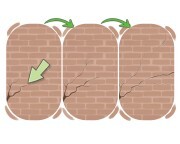
to exist or occur at an earlier time than something else
предшествовать
Окаменелости динозавров предшествуют современным людям на миллионы лет.
a place or building that is historically important
памятник
Эйфелева башня — это знаменитый памятник в Париже, который ежегодно привлекает миллионы туристов.
an object or part of an object surviving from the past, typically with historical or emotional value, often linked to a person, event, or era
реликвия
В музее была выставлена реликвия бронзового века, привлекшая историков со всей страны.
an underground burial place with tunnels and chambers for tombs or graves
катакомба
Катакомбы под городом использовались веками в качестве мест захоронения.
to preserve a dead body by treating it with chemicals or natural substances to prevent decay
мумифицировать, бальзамировать
Древние египтяне мумифицировали своих фараонов, чтобы подготовить их к загробной жизни.
the ancient practice of trying to turn common metals into gold
алхимия
В поисках богатства средневековый ученый посвятил годы искусству алхимии, надеясь получить золото.
a person who writes copies of documents by hand
писарь
Писец тщательно переписывал старые, выцветающие рукописи, чтобы сохранить их содержание для будущих поколений.
related to or inherited from one's ancestors
родовой, наследственный
Она чувствовала глубокую связь со своей родной землей предков.
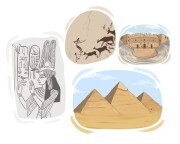
related or belonging to a period of history that is long gone
древний
Она изучала древние цивилизации, такие как египтяне и греки, на уроке истории.
the study of family lineages and the history of descent
генеалогия
Сайты генеалогии и тесты ДНК стали популярными инструментами для людей, интересующихся изучением своей семейной истории.
a period of time in history or someone's life, during which significant events happen
эпоха
Эпоха Возрождения была эпохой великих культурных и художественных достижений в Европе.
the origin or source of a particular thing
происхождение, источник
Происхождение картины было прослежено до 18 века.
a scholar or researcher who specializes in the study of the Middle Ages
медиевист, специалист по Средним векам
Известный медиевист опубликовал новаторское исследование по иллюминированию средневековых рукописей.
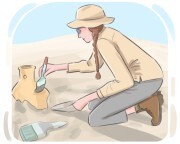
a person whose job is to study ancient societies using facts, objects, buildings, etc. remaining in excavation sites
археолог

a person who advocates or works to protect and maintain natural, historical, or cultural resources from decay, destruction, or neglect
защитник природы, консерватор
Как защитник наследия, она неустанно работала над восстановлением старых достопримечательностей города.
a scientist who studies fossils and ancient life forms to understand the history of life on earth
палеонтолог
Палеонтолог обнаружил новый вид динозавра в регионе, богатом окаменелостями.
a scientist who studies ancient life forms, their evolution, behaviors, habitats, and interactions with the environment through the analysis of fossils and other remnants of past life
палеобиолог, ученый
Как палеобиолог, она специализируется на восстановлении древних экосистем на основе ископаемых остатков.
a specialist who studies and develops systems for secure communication and information protection
криптограф, специалист по криптографии
Криптограф разработал новый алгоритм шифрования для повышения безопасности данных.
a man-made object, tool, weapon, etc. that was created in the past and holds historical or cultural significance
артефакт
Артефакты раннего изготовления инструментов, такие как каменные ножи и наконечники снарядов, показывают изобретательность и находчивость палеолитических людей.
to uncover or expose by digging, especially to reveal buried artifacts, structures, or remains
выкапывать
Дайверы раскопали кораблекрушение, подняв пушки, керамику и другие артефакты со дна моря.
a method used by scientists to determine the age of organic materials by measuring the amount of carbon-14 they contain
радиоуглеродное датирование, датирование по углероду-14
Ученые используют радиоуглеродное датирование для определения возраста древних артефактов и окаменелостей.
a prehistoric period characterized by the development of the first stone tools, spanning from about 2.5 million years ago to around 10,000 years ago
палеолит, древний каменный век
Наскальные рисунки, найденные во Франции, дают представление о жизни людей палеолита.
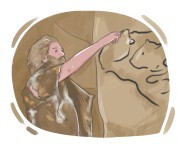
relating or belonging to the time before history was recorded
доисторический
Археологи обнаружили доисторические артефакты в пещере.
