
Humaniora SAT - Historia och Arkeologi
Här kommer du att lära dig några engelska ord relaterade till historia och arkeologi, såsom "excavate", "antiquity", "relic" etc., som du behöver för att klara dina SATs.
Recension
Flashcards
Stavning
Quiz

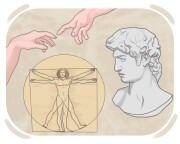
the period between the 14th and 16th centuries in Europe, marked by a rise of interest in Greek and Roman cultures, which is dominant in the art, philosophy, etc. of the times

Renässans
Tryckpressen, uppfunnen under renässansen, revolutionerade sättet på vilket kunskap spreds.

the historical period before the Middle Ages, especially before the sixth century when Greeks and Romans were the most prosperous
antiken, den antika perioden
Filosofer och lärda från antiken, som Sokrates, Platon och Aristoteles, gjorde djupa bidrag till västerländsk tanke och filosofi.
relating to the period of time before the widespread adoption of industrial processes and technologies
förindustriell, före den industriella eran
Förindustriella samhällen hade ofta starka sociala hierarkier baserade på faktorer som födelserätt och rikedom.
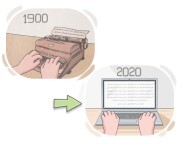
belonging to the current era
samtida, aktuell
an ancient region located in the eastern Mediterranean, primarily within modern-day Iraq, and parts of Iran, Syria, and Turkey
Mesopotamien
Gilgamesheposet, ett av de äldsta kända litterära verken, uppstod i det antika Mesopotamien.
a small, flat piece of clay that has been molded and hardened, typically used as a medium for writing or inscribing information in ancient civilizations
lerplatta, lertavla
Forskare dechiffrerade det antika kilskriften på lerplattan och avslöjade därmed en hymn tillägnad gudinnan Inanna.
a system of writing used in ancient Egypt, consisting of pictorial symbols or characters that represent objects, ideas, or sounds, and were commonly used for inscriptions on temple walls, tombs, and other monumental structures
hieroglyf, hieroglyfisk skrift
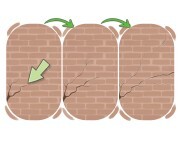
to exist or occur at an earlier time than something else
föregå, finnas tidigare
Den första registrerade användningen av eld föregår den registrerade historien.
an old building, structure, or site preserved or valued for its historical importance
monument, historisk byggnad
an object or part of an object surviving from the past, typically with historical or emotional value, often linked to a person, event, or era
relik, lämning
Även om parfymflaskan nu är tom, förblir den en dyrbar relik av min mors närvaro.
an underground burial place with tunnels and chambers for tombs or graves
katakomb
Besökarna förundrades över de antika konstverken som bevarats i katakombernas väggar.
to preserve a dead body by treating it with chemicals or natural substances to prevent decay
mumifiera, balsamera
De mumifierade kvarlevorna av en adelskvinna upptäcktes i en välbevarad grav.
the ancient practice of trying to turn common metals into gold
alkemi
I sin strävan efter rikedom ägnade den medeltida vetenskapsmannen år åt konsten att alkemi, i hopp om att framställa guld.
a person who writes copies of documents by hand
skrivare, kopist
Skrivaren transkriberade noggrant de gamla, bleknade manuskripten för att bevara deras innehåll för framtida generationer.
related to or inherited from one's ancestors
förfäders, ärftlig
Ritualen fördes ner från generation till generation som en del av deras förfäders tradition.
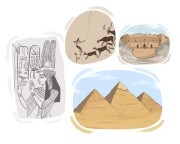
related or belonging to a period of history that is long gone
antik, uråldrig
the study of family lineages and the history of descent
genealogi
Släktforskning webbplatser och DNA-tester har blivit populära verktyg för individer som är intresserade av att utforska sin familjehistoria.
a period of time in history or someone's life, during which significant events happen
epok, era
Hennes tid vid universitetet representerade en definierande epok i hennes liv, som formade hennes framtida karriär och personliga tillväxt.
the origin or source of a particular thing
härkomst, ursprung
En målnings proveniens kan avsevärt påverka dess värde på konstmarknaden.
a scholar or researcher who specializes in the study of the Middle Ages
medeltidsforskare, specialist på medeltiden
Medeltidshistorikern utförde fältarbete på medeltida klosterplatser för att bättre förstå det medeltida religiösa livet.
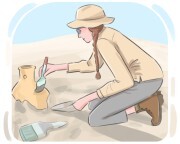
a person whose job is to study ancient societies using facts, objects, buildings, etc. remaining in excavation sites
arkeolog

a person who advocates or works to protect and maintain natural, historical, or cultural resources from decay, destruction, or neglect
bevarande, konservator
Han ägnade sin karriär som bevarare åt att skydda regionens naturliga landskap.
a scientist who studies fossils and ancient life forms to understand the history of life on earth
paleontolog
Paleontologer studerar fossilregistret för att lära sig om evolutionära förändringar över miljontals år.
a scientist who studies ancient life forms, their evolution, behaviors, habitats, and interactions with the environment through the analysis of fossils and other remnants of past life
paleobiolog, vetenskapsman som studerar forntida livsformer
Paleobiologen analyserade mikrofossiler för att förstå klimatförändringar under pleistocenepoken.
a specialist who studies and develops systems for secure communication and information protection
kryptograf, specialist på kryptering
Kryptografer innoverar ständigt för att hålla sig före de föränderliga utmaningarna inom cybersäkerhet.
a man-made object, tool, weapon, etc. that was created in the past and holds historical or cultural significance
artefakt, människogjort föremål
Historikern analyserade artefakten för att bättre förstå den antika samhällets handelspraxis.
to uncover or expose by digging, especially to reveal buried artifacts, structures, or remains
gräva upp, utgräva
Arkeologerna grävde fram ruinerna av ett gammalt slott och avslöjade dolda kammare och artefakter.
a method used by scientists to determine the age of organic materials by measuring the amount of carbon-14 they contain
radiokoldatering, kol-14-datering
Noggrannheten i radiokoldatering beror på bevarandet av det organiska materialet som testas.
a prehistoric period characterized by the development of the first stone tools, spanning from about 2.5 million years ago to around 10,000 years ago
paleolitikum, äldre stenåldern
Artefakter från paleolitikum, såsom flintknivar och yxor, visas i museets förhistoriska utställning.
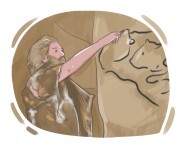
relating or belonging to the time before history was recorded
förhistorisk, prehistorisk
Historiker studerar förhistoriska civilisationer genom artefakter och grottmålningar.
