pattern

Advanced Vocabulary for the GRE - Only Change Is Constant!

Here you will learn some English words about change, cause and effect, such as "assuage", "debase", "obviate", etc. that are needed for the GRE exam.

Review

Flashcards

Forms

Spelling

Quiz

Start learning
Advanced Words Needed for the GRE
to alleviate

to reduce from the difficulty or intensity of a problem, issue, etc.

Ex: Ongoing support programs are currently alleviating the challenges faced by the community. 
Close
Sign in
to augment

to add to something's value, effect, size, or amount
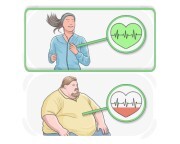
Ex: She augments her income by taking on freelance projects. 
Close
Sign in
to bolster

to enhance the strength or effect of something
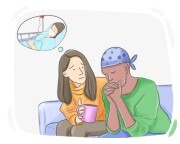
Ex: Recent scientific findings have bolstered the theory that climate change poses severe risks. 
Close
Sign in
to console

to help a person, who is either disappointed or emotionally suffering, feel better

Ex: Friends consoled her after the failure of her project. 
Close
Sign in
to converge

(of policies, opinions, ideas, aims, etc.) to develop into either the same thing or something extremely similar

Ex: Through diplomatic negotiations, the countries' foreign policies began to converge. 
Close
Sign in
to cow
to cow
[Verb]

to force obedience onto someone with the use of threats

Ex: He tried to cow his employees into compliance with threats of job loss. 
Close
Sign in
to debase
to debase
[Verb]

to tarnish someone's character or morals
Ex: The scandal debased the politician’s once-respected reputation. 
Close
Sign in
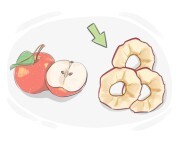
to desiccate

to preserve something, like food, by ridding it of all its moisture

Ex: She desiccated the herbs to use them in cooking throughout the year. 
Close
Sign in
to enhance

to better or increase someone or something's quality, strength, value, etc.
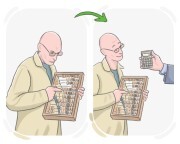
Ex: Adding new features can enhance the functionality of a software application. 
Close
Sign in
to facilitate

to help something, such as a process or action, become possible or simpler

Ex: The government implemented policies to facilitate foreign investment and economic growth. 
Close
Sign in
to flag
to flag
[Verb]

to lose energy, strength, and enthusiasm

Ex: After working tirelessly for hours, his enthusiasm began to flag. 
Close
Sign in
to hobble
to hobble
[Verb]

to restrict or complicate development, success, or actions
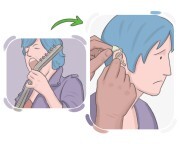
Ex: The new regulations hobble the company’s ability to innovate. 
Close
Sign in
to impair
to impair
[Verb]

to cause something to become weak or less effective

Ex: Prolonged exposure to loud noise can impair hearing over time. 
Close
Sign in
to encumber

to hinder the process or make something harder to do or achieve

Ex: The outdated software encumbered the team’s progress on the project. 
Close
Sign in
to obviate

to anticipate and act in a way that prevents a negative outcome from occurring

Ex: Regular maintenance obviates costly repairs down the line. 
Close
Sign in
to outstrip

to posses or reach a higher level of skill, success, value, or quantity than another person or thing
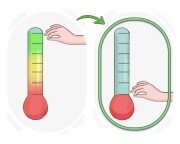
Ex: His talent for music quickly outstripped that of his peers, earning him recognition as a prodigy. 
Close
Sign in
to plummet

to decline in amount or value in a sudden and rapid way

Ex: After the disappointing earnings report, the company's stock value began to plummet. 
Close
Sign in
to preempt

to render a plan or action ineffective or unnecessary by doing something before it happens

Ex: The manager preempted the competitors by launching the product early. 
Close
Sign in
to propitiate

to bring an end to the anger of a person, ghost, spirit, or god by pleasing them
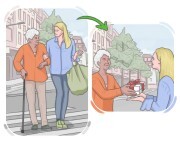
Ex: The villagers offered sacrifices to propitiate the gods during the drought. 
Close
Sign in
to requite

to give something as a reward or compensation for services, favors, or achievements

Ex: The hero was requited with riches and honors for his bravery in battle. 
Close
Sign in
to start
to start
[Verb]

to suddenly make an involuntary movement in reaction to a shock or surprise
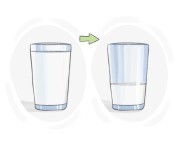
Ex: He started when the car honked loudly behind him. 
Close
Sign in
to subside

to decline in intensity or strength

Ex: After the storm, the winds gradually subside. 
Close
Sign in
to transmute

to change something's nature, appearance, or substance into something different and usually better

Ex: Through education and self-reflection, she managed to transmute her fears into newfound confidence. 
Close
Sign in
bastardization

the act of changing or copying something in a way that it no longer has the quality and value it used to

Ex: The artist felt that the new version of his work was a bastardization of his original vision. 
Close
Sign in
catalyst
catalyst
[noun]

a person, thing, or event that provokes or accelerates change or activity by introducing new perspectives or actions

Ex: The new policy acted as a catalyst for reform within the organization. 
Close
Sign in
corollary
corollary
[noun]

a thing that is the direct or natural result of another

Ex: The rise in crime rates was a corollary of the economic downturn. 
Close
Sign in
efficacy
efficacy
[noun]

the power to bring about planned or wanted results

Ex: Researchers are conducting clinical trials to further evaluate the efficacy of the new vaccine. 
Close
Sign in
landmark
landmark
[noun]

something, such as an achievement or event, that is of great importance or influence in something's progress and development

Ex: The discovery of penicillin by Alexander Fleming was a landmark moment in the history of medicine, revolutionizing the treatment of infections. 
Close
Sign in
metamorphosis

an extreme change in someone or something's nature, character, or form

Ex: The company underwent a complete metamorphosis after the new CEO took charge. 
Close
Sign in
moment
moment
[noun]

the quality of being significant and important

Ex: The signing of the agreement was a moment of great significance for the company. 
Close
Sign in
pith
pith
[noun]

the main meaning or part of something such as a situation, statement, or argument

Ex: He captured the pith of the situation in a single, powerful sentence. 
Close
Sign in
checkered
checkered
[Adjective]

having gone through periods of both failure and success

Ex: The artist’s checkered career saw both critical acclaim and public indifference. 
Close
Sign in
incipient
incipient
[Adjective]

starting to develop, appear, or take place

Ex: They noticed the incipient signs of a conflict during the early stages of the project. 
Close
Sign in
nascent
nascent
[Adjective]

newly started or formed, and expected to further develop and grow

Ex: The startup is in its nascent stage but shows great potential for growth. 
Close
Sign in
telling
telling
[Adjective]

producing an important, strong, or powerful effect

Ex: The director's speech was a telling moment for the audience. 
Close
Sign in
to ossify
to ossify
[Verb]

to cause something, such as an idea, system, habit, etc. to become fixed and opposed to change

Ex: They feared that the new regulations would ossify the current system beyond repair. 
Close
Sign in
untrammeled
untrammeled
[Adjective]

free to do as a person or thing pleases due to not having any limitations or restrictions inflicted upon them

Ex: He enjoyed untrammeled freedom during his travels, going wherever he pleased. 
Close
Sign in
dormant
dormant
[Adjective]

not in an active, developing, or operating state but can become so later on
Ex: The volcano remains dormant, but it could erupt at any time. 
Close
Sign in
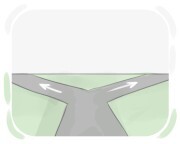
to diverge

to move apart and continue in another direction

Ex: As the river flowed downstream, it began to diverge into smaller tributaries. 
Close
Sign in
LanGeek
Download LanGeek app