
Basic Sciences - Biology
Study terms related to microorganisms, cellular organisms, pathogens, biological processes, metabolism, and laboratory cultivation.
Review
Flashcards
Spelling
Quiz

(microbiology) single-celled microorganisms that can be found in various environments, including soil, water, and living organisms, and can be beneficial, harmful, or neutral
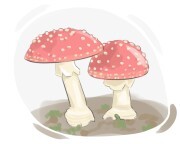
a plant-like organism that often grows on organic matter and has no flowers or leaves, such as moulds and mushrooms
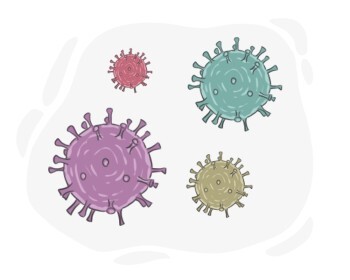
a microscopic agent that causes disease in people, animals, and plants

(biology) a virus that infects and replicates within bacterial cells
a very small living organism that cannot be seen without a microscope and can cause a disease
related to microorganisms, such as bacteria, viruses, fungi, or protists
a living thing such as a plant, animal, etc., especially a very small one that lives on its own

(of food or farming techniques) produced or done without any artificial or chemical substances
a single-celled, microscopic organism belonging to the group of protozoa, characterized by a flexible cell membrane and the absence of a fixed body shape
a type of living thing with cells that have a nucleus and other structures enclosed in membranes, like plants, animals, fungi, and some microorganisms
a simple, single-celled organism that lacks a true nucleus and membrane-bound organelles, such as bacteria and archaea
(biology) a small organism that lives on or inside another organism, called a host, and is dependent on it for nutrition and growth
a close and often long-term interaction between two different species living in close physical association, typically to the advantage of both
any organism that can cause diseases
(biology) of or relating to protozoans, microscopic single-celled eukaryotic organisms
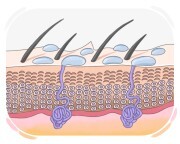
(of a cell, gland, or organ) to produce and release a liquid substance in the body
the chemical processes through which food is changed into energy for the body to use

the preserved remains or traces of ancient plants, animals, or other organisms found in rock
(biology) any single-celled microorganism belonging to the domain Archaea, structurally and genetically distinct from bacteria and eukaryotes
the process of growing cells, tissues, or organisms in an artificial environment with controlled conditions such as temperature, nutrients, and pH
the protein coat of a virus that encases its genetic material and helps it attach to and enter host cells during infection
within a living organism
outside a living body, typically in a controlled laboratory setting such as a test tube or culture dish
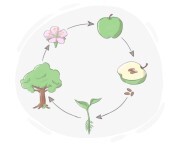
all the different stages of grow and development of a living organism
a substance used to grow microorganisms, either as a liquid or solid
a chemical element or inorganic compound that green plants absorb and incorporate into their organic molecules to support growth and metabolism
