

pattern

SAT Word Skills 2 - Lesson 24

Review

Flashcards

Spelling

Quiz

Start learning
SAT Word Skills 2
epidemic
epidemic
[Adjective]

describing a disease or condition that spreads rapidly and affects a large number of people within a specific area or community during a particular period
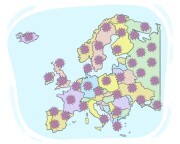
Ex: An epidemic outbreak of chickenpox affected most children in the town. 
Close
Sign in
pandemic
pandemic
[Adjective]

(of a disease) spreading rapidly and affecting many people across the world

Ex: The SARS outbreak in 2003 was contained before it became a pandemic public health crisis. 
Close
Sign in
epidermis
epidermis
[noun]

(anatomy) the outer layer of the skin that overlays the dermis

Ex: The epidermis is the outermost layer of skin that provides a protective barrier for the body. 
Close
Sign in
epizootic
epizootic
[Adjective]

referring to a widespread outbreak of disease among animals in a region or population

Ex: Scientists are monitoring for potential epizootic avian influenza viruses that could spread rapidly between wild bird populations. 
Close
Sign in
interim
interim
[Adjective]

intended to last only until something permanent is presented

Ex: An interim report was submitted to provide preliminary findings before the full research study was complete. 
Close
Sign in
to interject

to insert a comment, remark, or question abruptly into a conversation

Ex: He interjected a sarcastic remark that broke the tension. 
Close
Sign in
interlocutor

someone who takes an active verbal role in exchanging views as part of a multi-party discussion, conversation, or interview

Ex: In many Platonic dialogues, Socrates acts as the main interlocutor, engaging others in philosophical discussion. 
Close
Sign in
interloper

a person who becomes involved in a place or situation where they are not wanted or do not belong

Ex: The locals saw the tourist as an interloper in their quiet village. 
Close
Sign in
interlude
interlude
[noun]

a short interval between parts of a play, movie, etc.

Ex: During the interlude, the stage was rearranged for the second act. 
Close
Sign in
to intermediate

to act as an agent between two parties in order to help resolve a problem or bring about an agreement

Ex: Union leaders and company executives agreed to intermediate during contract negotiations to help reach a compromise. 
Close
Sign in
intermission

a temporary suspension in an ongoing activity before it resumes once more

Close
Sign in
peccable
peccable
[Adjective]

having the capability or tendency to err, sin or display weaknesses due to imperfect human nature

Ex: Theologians argued humans are peccable creatures needing forgiveness and redemption. 
Close
Sign in
peccadillo

a small excusable offense or mistake

Ex: Forgetting an anniversary is a peccadillo, not a relationship-ending crime. 
Close
Sign in
peccant
peccant
[Adjective]

likely to commit faults, errors, or sins

Ex: Poor management practices left the system peccant to waste and inefficiency. 
Close
Sign in
vestige
vestige
[noun]

a minor remaining part or trace of something that is no longer present in full

Ex: Archaeologists studied the vestiges of pottery and tools to learn about ancient civilizations. 
Close
Sign in
vestigial
vestigial
[Adjective]

(of body parts) not as developed as it used to be in earlier relatives
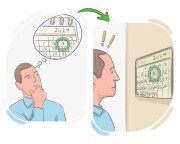
Ex: Whales have tiny vestigial hind legs buried deep in their bodies, remnants of when their ancient ancestors lived on land. 
Close
Sign in
to err
to err
[Verb]

to be at fault or make mistakes, especially in one's thinking, judgment, or actions

Ex: While erring occasionally is forgivable, persistent or consequential erring may require accountability. 
Close
Sign in
erroneous
erroneous
[Adjective]

mistaken or inaccurate due to flaws in reasoning, evidence, or factual support
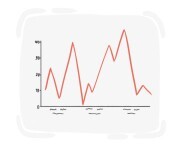
Ex: The report contained several erroneous conclusions based on faulty data. 
Close
Sign in
errant
errant
[Adjective]

deviating from proper behavior, rules, or the expected path

Ex: The errant knight ventured beyond the kingdom's borders without his sovereign's blessing. 
Close
Sign in
erratic
erratic
[Adjective]

having a strong potential for sudden variations or fluctuations that cannot be predicted

Ex: His erratic behavior at the meeting made everyone uncomfortable. 
Close
Sign in
LanGeek
Download LanGeek app