pattern

Cambridge English: FCE (B2 First) - Managing Amounts, Levels & Availability

Review

Flashcards

Forms

Spelling

Quiz
Start learning
Cambridge English: FCE (B2 First)
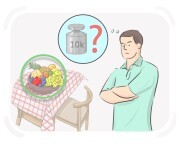
amount
amount
[noun]

the total number or quantity of something

Ex: The amount of rainfall last month was unusually high, causing flooding in some areas. 
Close
Sign in
absence
absence
[noun]

the state of not being at a place or with a person when it is expected of one

Ex: His absence from the meeting caused delays in making important decisions for the project. 
Close
Sign in
collection

the act of gathering things or people from different places
Ex: The collection of donations for the charity event took place over several weeks. 
Close
Sign in
cut
cut
[noun]

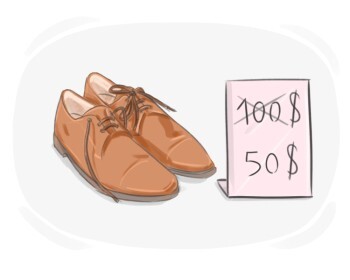
a reduction in something such as size, amount, etc.

Ex: The budget cut resulted in a reduction of funding for essential services. 
Close
Sign in
lack
lack
[noun]

the absence or insufficiency of something, often implying a deficiency or shortage

Ex: The lack of rainfall this year has affected crop production. 
Close
Sign in
level
level
[noun]

a point or position on a scale of quantity, quality, extent, etc.

Ex: The water reached a dangerously high level after heavy rain. 
Close
Sign in
to renew
to renew
[Verb]

to replace something old or damaged with a new one
Ex: The homeowner decided to renew the roof to fix leaks and improve energy efficiency. 
Close
Sign in
renewal
renewal
[noun]

the act or process of beginning something after an interval

Close
Sign in
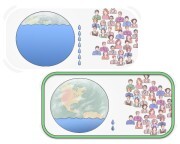
shortage
shortage
[noun]

a lack of something needed, such as supplies, resources, or people

Ex: The shortage of medical supplies during the pandemic highlighted the vulnerabilities in global supply chains. 
Close
Sign in
to estimate

to guess the value, number, quantity, size, etc. of something without exact calculation

Ex: I estimate that there are about 100 people at the party. 
Close
Sign in
to cut down

to limit or avoid certain types of food or ingredients for health or dietary reasons
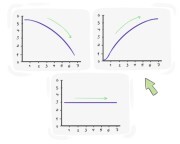
Ex: Concerned about cholesterol levels, she decided to cut down on her intake of fatty foods. 
Close
Sign in
to go up
to go up
[Verb]

to increase in value, extent, amount, etc.

Ex: The demand for the product caused its price to go up. 
Close
Sign in
to get through

to successfully complete a task

Ex: It took some time, but he eventually got through all the repairs on his own. 
Close
Sign in
to [get] rid of {sb/sth}

to put aside or remove a person or thing in order to no longer have them present or involved
Ex: Getting rid of noise enhances the quality of your audio and makes it sound more pleasing to the ears. 
Close
Sign in
times
times
[preposition]

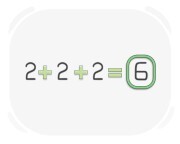
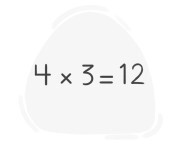
used to multiply a number by another

Ex: Three times four equals twelve. 
Close
Sign in
to preserve

to cause something to remain in its original state without any significant change
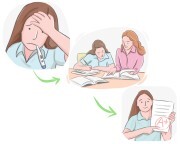
Ex: Historical artifacts are preserved in museums to maintain their original condition. 
Close
Sign in
to make up for

to do something in order to replace something lost or fix something damaged

Ex: He bought her flowers to make up for forgetting her birthday. 
Close
Sign in
to add
to add
[Verb]

to put something such as an ingredient, additional element, etc. together with something else
Ex: Fertilizer is added to the soil to promote plant growth. 
Close
Sign in
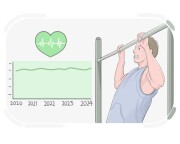
to keep up

to preserve something at a consistently high standard, price, or level

Ex: Regular maintenance helps to keep up the performance of the machinery. 
Close
Sign in
to wear off

(of an emotion) to gradually become less intense

Ex: The joy from the surprise wore off after a few hours. 
Close
Sign in
LanGeek
Download LanGeek app