
Cambridge English: FCE (B2 First) - Science, Education & Exploration
Learn FCE vocabulary for science, education, and exploration, including research, study, discovery, experiments, learning, travel, and academic or scientific activity.
Review
Flashcards
Spelling
Quiz
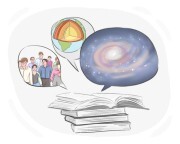
a series of lessons or lectures on a particular subject

an organized journey undertaken for a particular purpose, especially exploration, research, or military action

a spacecraft that moves up by the force of the gases produced when the fuel burns
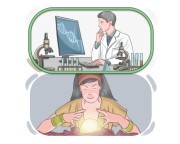
relating to or based on the principles and methods of science

to study a subject carefully and systematically to discover new facts or information about it
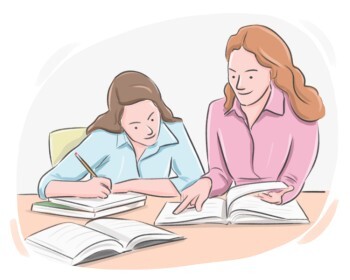
to teach someone, especially through formal schooling or instruction
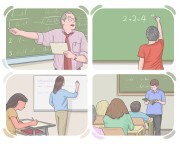
intended to provide knowledge or facilitate learning

a piece of information discovered as a result of a research
a certificate, degree, or diploma received after completing a training, course, or exam successfully
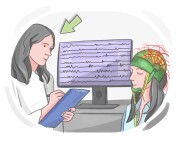
someone who makes or designs something that did not exist before
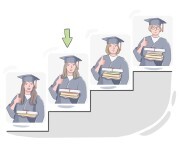
the first degree given by a university or college to a student who has finished their studies
a school where students live and study during the school year
a way of studying where students and teachers are in different locations, often using online platforms
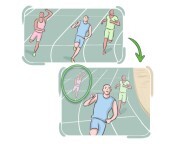
to fail to keep up in work, studies, or performance
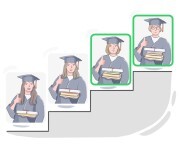
education at a university or similar educational institution that grants one an academic degree at the end

a program of study completed in a short period through concentrated effort and high workload
to stay knowledgeable and informed about current events or developments in a specific field or area of interest
an individual who pursues higher education later in life, often after a significant gap since completing secondary education
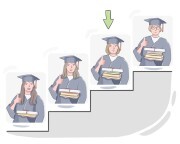
a university degree that graduates can get by further studying for one or two years
to complete a task or project before a specific time or date that has been agreed upon or set as a requirement
to skip school or work without permission or without a valid reason
private independent secondary school in Great Britain supported by endowment and tuition
a system of education in which male and female students are taught separately
a school that provides free education due to being funded by the government

the assignments, projects, and tasks done by students as part of their course of study
to spend a year away from formal education or work, often to travel, gain experience, or rest
a school or class for young children before they begin primary school
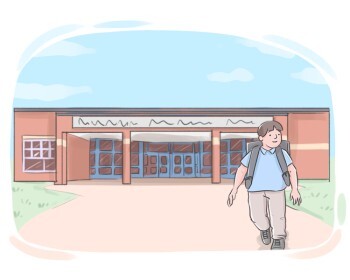
the school for young children, usually between the age of 5 to 11 in the UK
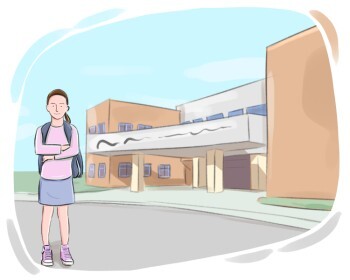
the school for young people, usually between the ages of 11 to 16 or 18 in the UK
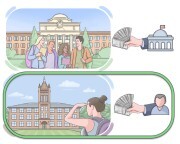
a school that receives money from the parents of the students instead of the government
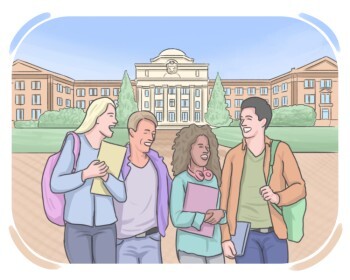
a university in which students can study up to a bachelor's degree after graduation from school
to support oneself financially while completing a course of study
