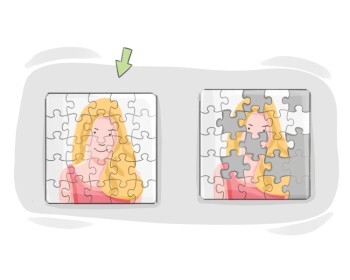
pattern

Přídavná Jména Vlastností Věcí - Přídavná Jména Celistvosti

Tyto přídavná jména vyjadřují zahrnutí nebo vyloučení všech částí, zdůrazňují úplnost nebo neúplnost určité entity, konceptu nebo zkušenosti.

Revize

Kartičky

Pravopis

Kvíz
Začněte se učit
Categorized English Adjectives Describing Attributes of Things
whole
whole
[Přídavné jméno]

including every part, member, etc.

celý, úplný
celý, úplný

Ex: The whole group cheered for the winning team. 
entire
entire
[Přídavné jméno]

involving or describing the whole of something

celý, úplný

celý, úplný

Ex: She spent the entire day cleaning the house, leaving no corner untouched. 
total
total
[Přídavné jméno]

including the whole quantity

celkový, úplný

celkový, úplný

Ex: The total cost of the renovations exceeded their initial budget, requiring them to make adjustments to their plans. 
complete
complete
[Přídavné jméno]

having all the necessary parts

úplný, kompletní
úplný, kompletní

Ex: He was happy to see a complete rainbow after the rain. 
thorough
thorough
[Přídavné jméno]

doing something completely and comprehensively without leaving out any important details

důkladný, kompletní

důkladný, kompletní

Ex: The thorough investigation uncovered all relevant evidence, leaving no stone unturned in the search for the truth. 

Důkladné šetření odhalilo všechny relevantní důkazy, nenechalo kámen na kameni v hledání pravdy.

comprehensive
comprehensive
[Přídavné jméno]

covering or including all aspects of something

komplexní, vyčerpávající

komplexní, vyčerpávající

Ex: The comprehensive report provided a detailed overview of the project, addressing every aspect from start to finish. 
unanimous
unanimous
[Přídavné jméno]

(of a group) fully in agreement on something

jednohlasný, shodný

jednohlasný, shodný

Ex: Parents were unanimous in supporting the school's new policy. 

Rodiče byli jednomyslní v podpoře nové školní politiky.
aggregate
aggregate
[Přídavné jméno]

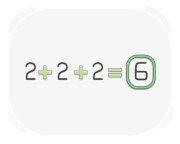
formed by combining several amounts, quantities, or items into a total

agregovaný,  souhrnný

agregovaný, souhrnný

Ex: The researchers compared the aggregate results from all five studies. 
finished
finished
[Přídavné jméno]

completed and with no further actions or modifications needed

dokončený, hotový

dokončený, hotový

Ex: The finished puzzle displayed a beautiful image of a scenic landscape. 

Dokončená skládačka zobrazovala krásný obraz scenické krajiny.

exhaustive
exhaustive
[Přídavné jméno]

complete with regard to every single detail or element

vyčerpávající, úplný

vyčerpávající, úplný

Ex: He gave an exhaustive explanation of the theory, leaving no questions unanswered. 

Podal vyčerpávající vysvětlení teorie, nenechal žádné otázky nezodpovězené.

inclusive
inclusive
[Přídavné jméno]

including everything or everyone, without excluding any particular group or element

inkluzivní, všezahrnující

inkluzivní, všezahrnující

Ex: The inclusive recreational program offered activities and events that catered to people of all abilities and interests. 

Inkluzivní rekreační program nabízel aktivity a akce, které byly určeny lidem všech schopností a zájmů.

overall
overall
[Přídavné jméno]

including or considering everything or everyone in a certain situation or group

celkový, všeobecný

celkový, všeobecný

Ex: The overall health of the population improved significantly. 
full
full
[Přídavné jméno]

having all elements or aspects present, without any omissions

úplný, celý

úplný, celý

Ex: He received a full refund for the defective product, as per the store's return policy. 
enough
enough
[Příslovce]

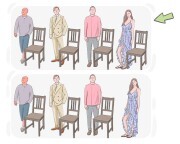
to a degree or extent that is sufficient or necessary

dostatečně, dosti
dostatečně, dosti

Ex: The team had trained hard and believed they were fit enough for the upcoming match. 
sufficient
sufficient
[Přídavné jméno]

having enough of something to meet a particular need or requirement

dostatečný, vhodný

dostatečný, vhodný

Ex: The evidence presented in court was deemed sufficient to convict the defendant. 

Důkazy předložené u soudu byly považovány za dostačující k odsouzení obžalovaného.

adequate
adequate
[Přídavné jméno]

satisfactory or acceptable in quality or quantity to meet a particular need or purpose

dostatečný, vyhovující

dostatečný, vyhovující

Ex: The first aid kit contained adequate supplies to treat minor injuries. 

Lékárnička obsahovala dostatečné zásoby k ošetření drobných poranění.
empty
empty
[Přídavné jméno]

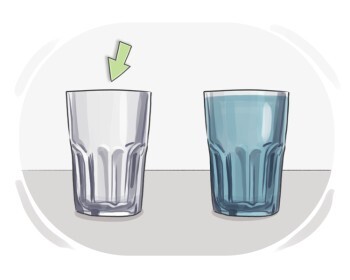
with no one or nothing inside

prázdný, opuštěný

prázdný, opuštěný

Ex: The empty room echoed with every step, its walls bare and devoid of furniture. 
devoid
devoid
[Přídavné jméno]

entirely lacking or empty of a particular quality or element

postrádající, prázdný

postrádající, prázdný

Ex: The landscape was devoid of any signs of life, with no plants or animals in sight. 

Krajina byla prosta jakýchkoli známek života, bez rostlin nebo zvířat na dohled.
partial
partial
[Přídavné jméno]

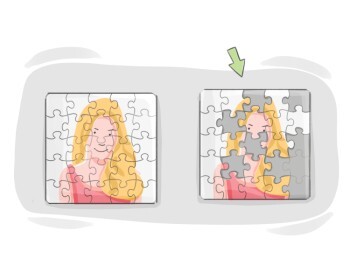
relating to, affecting, or consisting of only part of something rather than the whole

částečný,  dílčí

částečný, dílčí

Ex: Construction resumed after a partial reopening of the highway. 
incomplete
incomplete
[Přídavné jméno]

not having all the necessary parts

neúplný, nedokončený

neúplný, nedokončený

Ex: The incomplete data made it impossible to draw any conclusions. 

Neúplná data znemožnila vyvodit jakékoli závěry.
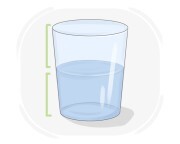
half
half
[Příslovce]

to the extent of one part out of two equal portions

napůl, z poloviny

napůl, z poloviny

Ex: She cut the sandwich half and gave me a piece. 
divided
divided
[Přídavné jméno]

having been split into distinct parts

rozdělený,  oddělený

rozdělený, oddělený

Ex: The divided highway had separate lanes for traffic heading in opposite directions. 

Dělená dálnice měla oddělené pruhy pro provoz v opačných směrech.

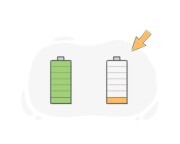
cut
cut
[Přídavné jméno]

divided or sliced with a sharp tool or object

řezaný, krájený
řezaný, krájený

Ex: The cut apple revealed its juicy interior. 
lacking
lacking
[Přídavné jméno]

not having a necessary amount of something

chybějící, nedostatečný

chybějící, nedostatečný

Ex: The lacking ingredients in the recipe forced her to improvise with what she had. 

Chybějící přísady v receptu ji donutily improvizovat s tím, co měla.

missing
missing
[Přídavné jméno]

describing something or someone that cannot be found

pohřešovaný, chybějící

pohřešovaný, chybějící

Ex: The missing cat has not returned home for several days. 

Ztracená kočka se již několik dní nevrátila domů.

fragmented
fragmented
[Přídavné jméno]

broken into small, disconnected parts or pieces

fragmentovaný, rozbitý

fragmentovaný, rozbitý

Ex: His fragmented memory of the accident made it hard to recall the details. 

Jeho fragmentovaná paměť na nehodu ztěžovala vzpomenout si na detaily.

unfinished
unfinished
[Přídavné jméno]

not yet completed

nedokončený, nehotový

nedokončený, nehotový

Ex: The unfinished symphony remained a testament to the composer's untimely death. 

Nedokončená symfonie zůstala svědectvím o předčasné smrti skladatele.

deficient
deficient
[Přídavné jméno]

lacking in terms of quantity or quality

nedostatečný, chybějící

nedostatečný, chybějící

Ex: The deficient equipment hindered the team's performance on the field. 

Nedostatečné vybavení bránilo výkonu týmu na hřišti.

torn
torn
[Přídavné jméno]

split or divided into two or more parts, often as a result of force or pressure

roztrhaný, potrhaný

roztrhaný, potrhaný

Ex: The torn ligament in his knee required surgery to repair. 

Potrhaný vaz v jeho koleni vyžadoval operaci k opravě.

LanGeek
Stáhnout aplikaci LanGeek