pattern

Adjectives of Attributes of Things - Adjectives of Entirety

These adjectives express the inclusion or exclusion of all parts, emphasizing the entirety or incompleteness of a particular entity, concept, or experience.

Review

Flashcards

Spelling

Quiz
Start learning
Categorized English Adjectives Describing Attributes of Things
whole
whole
[Adjective]

including every part, member, etc.

Ex: He ate the whole pizza by himself. 
Close
Sign in
entire
entire
[Adjective]

involving or describing the whole of something
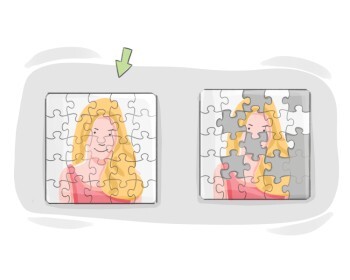
Ex: She spent the entire day cleaning the house, leaving no corner untouched. 
Close
Sign in
total
total
[Adjective]

including the whole quantity

Ex: The total cost of the renovations exceeded their initial budget, requiring them to make adjustments to their plans. 
Close
Sign in
complete
complete
[Adjective]

having all the necessary parts

Ex: He was happy to see a complete rainbow after the rain. 
Close
Sign in
thorough
thorough
[Adjective]

doing something completely and comprehensively without leaving out any important details

Ex: She conducted a thorough examination of the patient, checking for any signs of illness or injury. 
Close
Sign in
comprehensive
comprehensive
[Adjective]

covering or including all aspects of something

Ex: The comprehensive report provided a detailed overview of the project, addressing every aspect from start to finish. 
Close
Sign in
unanimous
unanimous
[Adjective]

(of a group) fully in agreement on something
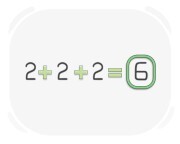
Ex: The committee was unanimous in approving the new budget. 
Close
Sign in
aggregate
aggregate
[Adjective]

consisting of several numbers, things, or amounts added together

Ex: The aggregated sales data provided a comprehensive overview of the company's performance over the past quarter. 
Close
Sign in
finished
finished
[Adjective]

completed and with no further actions or modifications needed

Ex: The finished painting hung proudly on the wall, showcasing the artist's talent and creativity. 
Close
Sign in
exhaustive
exhaustive
[Adjective]

complete with regard to every single detail or element

Ex: The exhaustive research paper provided a comprehensive analysis of the topic, leaving no aspect unexplored. 
Close
Sign in
inclusive
inclusive
[Adjective]

including everything or everyone, without excluding any particular group or element

Ex: The inclusive policy welcomed people of all backgrounds, ensuring that everyone felt valued and respected. 
Close
Sign in
overall
overall
[Adjective]

including or considering everything or everyone in a certain situation or group

Ex: The overall health of the population improved significantly after the implementation of new healthcare policies. 
Close
Sign in
full
full
[Adjective]

having all elements or aspects present, without any omissions

Ex: He received a full refund for the defective product, as per the store's return policy. 
Close
Sign in
enough
enough
[Adverb]

to a degree or extent that is sufficient or necessary

Ex: The team had trained hard and believed they were fit enough for the upcoming match. 
Close
Sign in
sufficient
sufficient
[Adjective]

having enough of something to meet a particular need or requirement

Ex: He had saved a sufficient amount of money to purchase the new computer. 
Close
Sign in
adequate
adequate
[Adjective]

satisfactory or acceptable in quality or quantity to meet a particular need or purpose

Ex: With an adequate supply of water, the hikers could continue their journey through the desert. 
Close
Sign in
empty
empty
[Adjective]

with no one or nothing inside

Ex: The empty room echoed with every step, its walls bare and devoid of furniture. 
Close
Sign in
devoid
devoid
[Adjective]

entirely lacking or empty of a particular quality or element
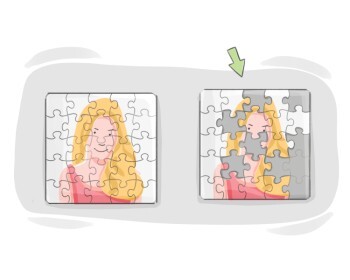
Ex: His speech was devoid of emotion, leaving the audience unmoved. 
Close
Sign in
partial
partial
[Adjective]

involving only a part of something

Ex: The partial eclipse obscured only a portion of the sun, leaving the rest visible. 
Close
Sign in
incomplete
incomplete
[Adjective]

not having all the necessary parts

Ex: His application was incomplete, so it got rejected. 
Close
Sign in
half
half
[Adverb]

to the extent of one part out of two equal portions

Ex: She cut the sandwich half and gave me a piece. 
Close
Sign in
divided
divided
[Adjective]

having been split into distinct parts

Ex: The divided highway had separate lanes for traffic heading in opposite directions. 
Close
Sign in
cut
cut
[Adjective]

divided or sliced with a sharp tool or object
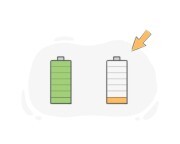
Ex: The cut apple revealed its juicy interior. 
Close
Sign in
lacking
lacking
[Adjective]

not having a necessary amount of something

Ex: The lacking resources hindered the completion of the project. 
Close
Sign in
missing
missing
[Adjective]

describing something or someone that cannot be found

Ex: The missing cat has not returned home for several days. 
Close
Sign in
fragmented
fragmented
[Adjective]

broken into small, disconnected parts or pieces

Ex: His fragmented memory of the accident made it hard to recall the details. 
Close
Sign in
unfinished
unfinished
[Adjective]

not yet completed

Ex: The unfinished painting displayed only the artist's initial sketches. 
Close
Sign in
deficient
deficient
[Adjective]

lacking in terms of quantity or quality

Ex: The deficient supply of food left many people hungry. 
Close
Sign in
torn
torn
[Adjective]

split or divided into two or more parts, often as a result of force or pressure

Ex: The torn map was missing a crucial piece, making navigation difficult. 
Close
Sign in
LanGeek
Download LanGeek app