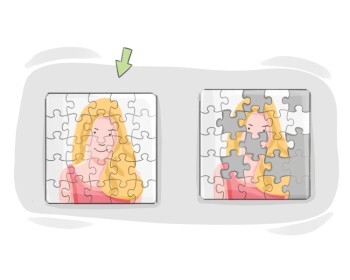
pattern

Przymiotniki Atrybutów Rzeczy - Przymiotniki Całości

Te przymiotniki wyrażają włączenie lub wykluczenie wszystkich części, podkreślając całość lub niekompletność określonej jednostki, koncepcji lub doświadczenia.

Przegląd

Fiszki

Pisownia

Test
Zacznij naukę
Categorized English Adjectives Describing Attributes of Things
whole
whole
[przymiotnik]

including every part, member, etc.

cały, pełny
cały, pełny

Ex: They read the whole story aloud in class. 
entire
entire
[przymiotnik]

involving or describing the whole of something

cały, kompletny

cały, kompletny

Ex: She spent the entire day cleaning the house, leaving no corner untouched. 
total
total
[przymiotnik]

including the whole quantity

całkowity, pełny

całkowity, pełny

Ex: The total cost of the renovations exceeded their initial budget, requiring them to make adjustments to their plans. 
complete
complete
[przymiotnik]

having all the necessary parts

kompletny, cały
kompletny, cały

Ex: He was happy to see a complete rainbow after the rain. 
thorough
thorough
[przymiotnik]

doing something completely and comprehensively without leaving out any important details

dokładny, kompletny

dokładny, kompletny

Ex: The thorough review of the manuscript by the editor ensured that it met all quality standards before publication. 

Dokładna recenzja manuskryptu przez redaktora zapewniła, że spełnia on wszystkie standardy jakości przed publikacją.

comprehensive
comprehensive
[przymiotnik]

covering or including all aspects of something

kompleksowy, wszechstronny

kompleksowy, wszechstronny

Ex: The comprehensive report provided a detailed overview of the project, addressing every aspect from start to finish. 
unanimous
unanimous
[przymiotnik]

(of a group) fully in agreement on something

jednomyślny, zgodny

jednomyślny, zgodny

Ex: The team gave a unanimous decision to adopt the new strategy. 

Zespół podjął jednomyślną decyzję o przyjęciu nowej strategii.
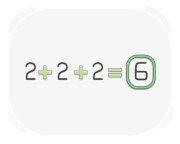
aggregate
aggregate
[przymiotnik]

formed by combining several amounts, quantities, or items into a total

zagregowany,  łączny

zagregowany, łączny

Ex: The report examines aggregate household spending across the country. 
finished
finished
[przymiotnik]

completed and with no further actions or modifications needed

zakończony, ukończony

zakończony, ukończony

Ex: She felt a sense of accomplishment as she admired her finished masterpiece. 

Poczuła poczucie spełnienia, podziwiając swoje ukończone arcydzieło.

exhaustive
exhaustive
[przymiotnik]

complete with regard to every single detail or element

wyczerpujący, kompletny

wyczerpujący, kompletny

Ex: The exhaustive training regimen prepared athletes for the physical demands of the competition. 

Wyczerpujący reżim treningowy przygotował sportowców do fizycznych wymagań zawodów.

inclusive
inclusive
[przymiotnik]

including everything or everyone, without excluding any particular group or element

inklazywny, wszechstronny

inklazywny, wszechstronny

Ex: The inclusive community center provided services and resources for people of all ages and backgrounds. 

Inkluzywny ośrodek społeczny zapewniał usługi i zasoby dla osób w każdym wieku i o różnym pochodzeniu.

overall
overall
[przymiotnik]

including or considering everything or everyone in a certain situation or group

ogólny, całkowity

ogólny, całkowity

Ex: The overall cost of the project exceeded the initial estimates due to unforeseen expenses. 
full
full
[przymiotnik]

having all elements or aspects present, without any omissions

pełny, całkowity

pełny, całkowity

Ex: He received a full refund for the defective product, as per the store's return policy. 
enough
enough
[przysłówek]

to a degree or extent that is sufficient or necessary

wystarczająco, dość

wystarczająco, dość

Ex: The team had trained hard and believed they were fit enough for the upcoming match. 
sufficient
sufficient
[przymiotnik]

having enough of something to meet a particular need or requirement

wystarczający, odpowiedni

wystarczający, odpowiedni

Ex: The instructions provided were sufficient for him to complete the task. 

Dostarczone instrukcje były wystarczające dla niego, aby wykonać zadanie.

adequate
adequate
[przymiotnik]

satisfactory or acceptable in quality or quantity to meet a particular need or purpose

odpowiedni, wystarczający

odpowiedni, wystarczający

Ex: After conducting an adequate investigation, the police were able to identify the suspect. 

Po przeprowadzeniu odpowiedniego dochodzenia policja była w stanie zidentyfikować podejrzanego.
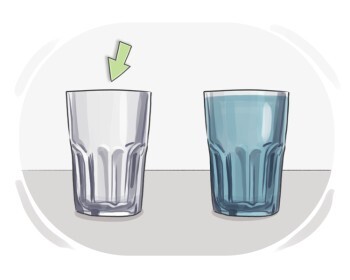
empty
empty
[przymiotnik]

with no one or nothing inside

pusty, opustoszały

pusty, opustoszały

Ex: The empty room echoed with every step, its walls bare and devoid of furniture. 
devoid
devoid
[przymiotnik]

entirely lacking or empty of a particular quality or element

pozbawiony, pusty

pozbawiony, pusty

Ex: Her story was devoid of any truth, filled with fabricated details. 

Jej historia była pozbawiona jakiejkolwiek prawdy, pełna wymyślonych szczegółów.
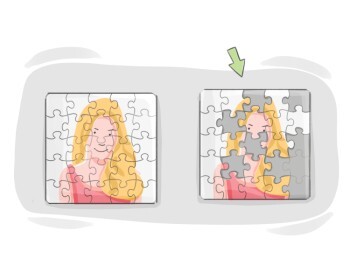
partial
partial
[przymiotnik]

relating to, affecting, or consisting of only part of something rather than the whole

częściowy,  częściowa

częściowy, częściowa

Ex: We only have partial information about what happened after the meeting. 
incomplete
incomplete
[przymiotnik]

not having all the necessary parts

niekompletny, nieukończony

niekompletny, nieukończony

Ex: The puzzle is incomplete because it's missing a piece. 

Puzzle jest niekompletne, ponieważ brakuje jednego elementu.
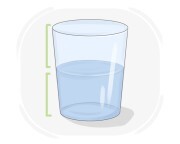
half
half
[przysłówek]

to the extent of one part out of two equal portions

na pół, w połowie

na pół, w połowie

Ex: She cut the sandwich half and gave me a piece. 
divided
divided
[przymiotnik]

having been split into distinct parts

podzielony,  oddzielony

podzielony, oddzielony

Ex: The divided highway had separate lanes for traffic heading in opposite directions. 

Podzielona autostrada miała oddzielne pasy dla ruchu w przeciwnych kierunkach.

cut
cut
[przymiotnik]

divided or sliced with a sharp tool or object

pokrojony, pocięty
pokrojony, pocięty

Ex: The cut apple revealed its juicy interior. 
lacking
lacking
[przymiotnik]

not having a necessary amount of something

brakujący, niewystarczający

brakujący, niewystarczający

Ex: The food was good, but the dessert was lacking in sweetness. 

Jedzenie było dobre, ale deserowi brakowało słodyczy.

missing
missing
[przymiotnik]

describing something or someone that cannot be found

zaginiony, brakujący

zaginiony, brakujący

Ex: The missing documents delayed the completion of the project. 

Brakujące dokumenty opóźniły zakończenie projektu.

fragmented
fragmented
[przymiotnik]

broken into small, disconnected parts or pieces

sfragmentowany, połamany

sfragmentowany, połamany

Ex: The fragmented glass scattered across the floor after the vase fell. 

Połamane szkło rozsypało się po podłodze po upadku wazonu.

unfinished
unfinished
[przymiotnik]

not yet completed

nieukończony, niedokończony

nieukończony, niedokończony

Ex: The unfinished construction project left the building exposed to the elements. 

Niedokończony projekt budowlany pozostawił budynek narażony na działanie żywiołów.

deficient
deficient
[przymiotnik]

lacking in terms of quantity or quality

niedostateczny, niewystarczający

niedostateczny, niewystarczający

Ex: The deficient insulation in the walls resulted in high energy bills during the winter. 

Niewystarczająca izolacja w ścianach spowodowała wysokie rachunki za energię podczas zimy.

torn
torn
[przymiotnik]

split or divided into two or more parts, often as a result of force or pressure

podarty, rozdarty

podarty, rozdarty

Ex: His torn jeans were fashionable, with deliberate rips and frayed edges. 

Jego podarte dżinsy były modne, z celowymi rozdartiami i postrzępionymi krawędziami.

LanGeek
Pobierz aplikację LanGeek