
Cambridge IELTS 15 - Académico - Prueba 3 - Lectura - Pasaje 3
Learn vocabulary from Cambridge IELTS 15 Academic, Test 3 Reading Passage 3, and review useful words and expressions from this reading text.
Revisión
Tarjetas de memoria
formas
Ortografía
Cuestionario
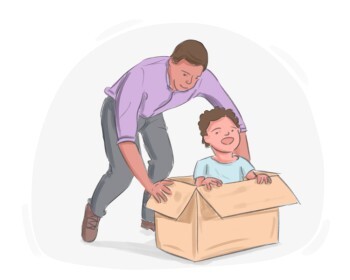
to make one's time enjoyable by doing something that is interesting and does not make one bored

divertir, entretener
Las travesuras juguetonas de los gatitos divirtieron a los niños durante horas.

referring to something that remains popular or successful over a long period
duradero, perdurable
Disney es una empresa de entretenimiento perdurable, amada por generaciones en todo el mundo.
(of an idea or plan) to develop or become more defined
tomar forma, cobrar forma
Su plan de negocios tomó forma después de meses de investigación y colaboración.
along a route towards a specific destination
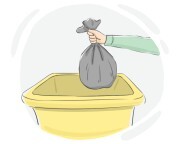
to get rid of something that is no longer wanted or needed
desechar, eliminar
a scientist who studies human beings, especially their societies, cultures, languages, and physical development, both past and present
antropólogo, etnólogo
El museo contrató a un antropólogo para curar sus exposiciones culturales.

a difference, particularly an unwanted one, causing separation between two people, situations, or opinions
brecha
a member of the university faculty engaged in teaching or research
académico, investigador universitario

a type of folktale that typically features mythical creatures, magical events, and enchanted settings, often with a moral lesson or a happy ending
cuento de hadas
Los cuentos de hadas a menudo presentan criaturas míticas como hadas, brujas, dragones y animales parlantes.
to find a solution to a problem
resolver, encontrar
¿Puedes elaborar un plan para mejorar la satisfacción de los empleados?
of or relating to the evolutionary development of organisms
filogenético, filogenético
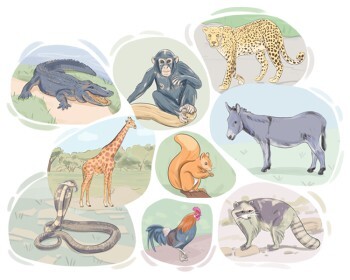
a group that animals, plants, etc. of the same type which are capable of producing healthy offspring with each other are divided into
especie
El lobo rojo es una especie de lobo nativa del sureste de los Estados Unidos.
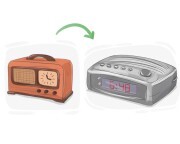
to develop or change gradually over time into a different form
evolucionar

to eventually reach or find oneself in a particular place, situation, or condition, often unexpectedly or as a result of circumstances
acabar, terminar en
Después de varios desvíos, terminamos en la hermosa playa escondida de la que habíamos oído hablar.
to change without becoming totally different
cambiar
as time passes or progresses
con el tiempo, a lo largo del tiempo
El estudio mide el aumento de la biodiversidad con el tiempo en el área protegida.
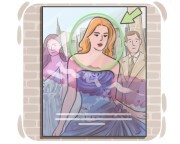
very important and necessary
lo más importante
a member of a society that survives by hunting animals, fishing, and gathering wild plants rather than practicing agriculture
cazador-recolector, cazador-recolector
La tribu mantuvo un estilo de vida cazador-recolector en el bosque.
a story or account describing a series of events
narración, relato
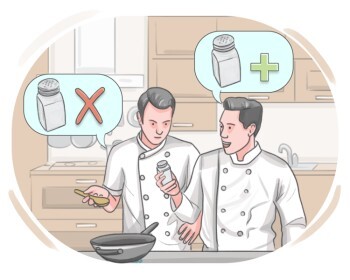
having little or no importance
trivial, insignificante
Ella descartó su argumento como trivial y sin relevancia para la discusión.

causing extreme fear, shock, or disgust
espantoso, horroroso
Compartió un relato espeluznante de supervivencia en la naturaleza.
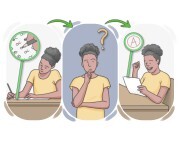
to emerge as a particular outcome
resultar, acabar siendo
A pesar de los desafíos, el viaje resultó ser una aventura inolvidable.
(of a movie, story, or other media) containing a great deal of violence or brutality
sanguinario, violento
Los espectadores que esperaban un thriller psicológico se sorprendieron por lo sanguinario que se volvió la segunda mitad de la película.
kept intact or maintained in a particular condition
preservado, conservado
to intentionally keep, maintain, or preserve something in its current state, resisting removal, elimination, or alteration
conservar, mantener
expressed, communicated, or performed through speech rather than writing
oral, verbal
someone who recounts a story, whether fictional or factual
narrador, cuentista
El anciano era un narrador de leyendas familiares transmitidas de generación en generación.
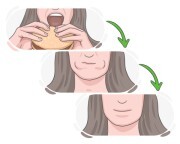
to cause food, drink, or another substance to pass from the mouth through the throat into the stomach
tragar, ingerir
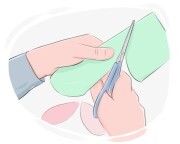
to use a sharp object like scissors or a knife on something to remove a section from it
recortar, cortar una sección
Necesito recortar una forma de corazón de este papel de construcción para el proyecto de manualidades.

exciting and intriguing in a way that attracts one's attention
apasionante, absorbente
having doubts about the validity or credibility of something
escéptico, desconfiado, poco convencido
happening repeatedly
recurrente, perenne
La popularidad perenne de la banda es evidente en sus conciertos agotados cada año.
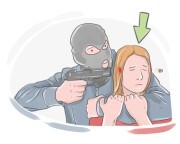
a person who has been harmed, injured, or killed due to a crime, accident, etc.
víctima
to present and emphasize reasons against a particular idea or suggestion
señalar, destacar
Mientras todos estaban emocionados por la fusión, el analista financiero señaló los posibles obstáculos económicos.

a piece of information discovered as a result of a research
resultado
the lesson, principle, or significance conveyed by a story, event, or experience
moraleja, enseñanza

to make something more powerful, intense, or larger in quantity
acumular, desarrollar
La tormenta continuó acumulando fuerza sobre el océano.
the ability of a person, organism or microorganism to withstand or defend against diseases, drugs, toxins, or environmental stress
resistencia
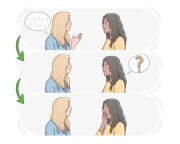
to discover or become aware of a piece of information or a fact
descubrir, enterarse
Ella se sorprendió al descubrir que su restaurante favorito había cerrado.
in many different countries and regions of Earth
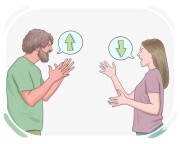
opposite or very different in nature, character, opinion, or effect
contrario, opuesto
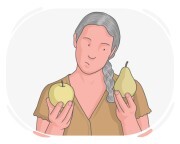
to compare two people or things so that their differences are noticeable
mostrar la diferencia
to place too much importance or attention on something, exaggerating its significance beyond what is necessary or appropriate
sobreenfatizar, exagerar la importancia de
Es importante no sobreenfatizar el impacto de una crítica negativa en el éxito del producto.
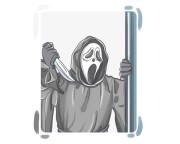
causing intense fear, shock, or disgust
horroroso, espantoso
Ella tuvo una pesadilla horrorosa que la dejó temblando en la cama.
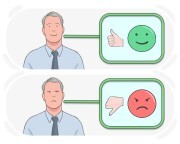
to suggest without explicitly stating
insinuar
the practical world as opposed to the academic world
mundo real, mundo práctico
| Cambridge IELTS 15 - Académico | |||
|---|---|---|---|
| Prueba 3 - Lectura - Pasaje 3 | Test 4 - Escucha - Parte 1 | Prueba 4 - Comprensión Auditiva - Parte 2 | Prueba 4 - Audición - Parte 3 |
| Prueba 4 - Escucha - Parte 4 | Prueba 4 - Lectura - Pasaje 1 | Prueba 4 - Lectura - Pasaje 2 | Prueba 4 - Lectura - Pasaje 3 |
