pattern

Cambridge IELTS 15 - Академический - Тест 3 - Чтение - Отрывок 3

Learn vocabulary from Cambridge IELTS 15 Academic, Test 3 Reading Passage 3, and review useful words and expressions from this reading text.

Обзор

Флэш-карточки

формы

Правописание

Тест
Начать учиться
Cambridge IELTS 15 - Academic
to amuse
to amuse
[глагол]

to make one's time enjoyable by doing something that is interesting and does not make one bored

развлекать

развлекать

Ex: Playing board games with friends always amuses him on weekends. 

Играть в настольные игры с друзьями всегда развлекает его по выходным.

Закрыть
Войти
enduring
enduring
[прилагательное]

referring to something that remains popular or successful over a long period

долговечный, устойчивый

долговечный, устойчивый

Ex: Disney is an enduring entertainment company, beloved by generations around the world. 

Disney - это долговечная развлекательная компания, любимая поколениями по всему миру.

Закрыть
Войти
to [take] form
to take form
[глагол]

(of an idea or plan) to develop or become more defined

принимать форму, обретать очертания

принимать форму, обретать очертания

Ex: Over the course of several meetings, the proposal took form and became a viable strategy. 

В ходе нескольких встреч предложение приняло форму и стало жизнеспособной стратегией.

Закрыть
Войти
on the way
on the way
[фраза]

along a route towards a specific destination
Ex: She stopped to get coffee on the way to work. 
Закрыть
Войти
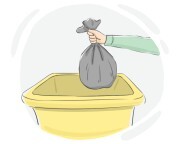
to dispose
to dispose
[глагол]

to get rid of something that is no longer wanted or needed

избавляться,  утилизировать

избавляться, утилизировать

Ex: The hospital disposes of medical waste according to strict regulations. 
Закрыть
Войти
cautionary
cautionary
[прилагательное]

functioning as a warning

предостерегающий

предостерегающий

Закрыть
Войти
anthropologist
anthropologist
[существительное]

a scientist who studies human beings, especially their societies, cultures, languages, and physical development, both past and present

антрополог

антрополог

Ex: The anthropologist spent years living among the tribe to understand their customs. 

Антрополог провёл годы, живя среди племени, чтобы понять их обычаи.

Закрыть
Войти
gap
gap
[существительное]

a difference, particularly an unwanted one, causing separation between two people, situations, or opinions

зазор

зазор

Ex: The generation gap sometimes causes misunderstandings within families. 
Закрыть
Войти
academic
academic
[существительное]

a member of the university faculty engaged in teaching or research

академик, преподаватель-исследователь

академик, преподаватель-исследователь

Ex: The academics gathered at the conference to discuss recent research. 
Закрыть
Войти
fairy tale
fairy tale
[существительное]

a type of folktale that typically features mythical creatures, magical events, and enchanted settings, often with a moral lesson or a happy ending

сказка

сказка

Ex: Children love to immerse themselves in the magical world of fairy tales, where anything seems possible. 

Дети любят погружаться в волшебный мир сказок, где всё кажется возможным.

Закрыть
Войти
to work out
to work out
[глагол]

to find a solution to a problem

решить, найти

решить, найти

Ex: We must work out a solution to the budgetary issues before moving forward. 

Мы должны найти решение бюджетных вопросов, прежде чем двигаться вперед.

Закрыть
Войти
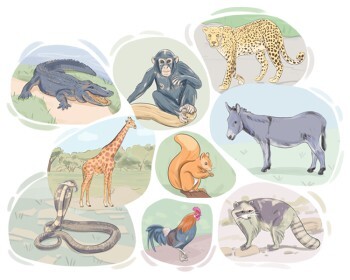
phylogenetic
phylogenetic
[прилагательное]

of or relating to the evolutionary development of organisms

филогенетический, филогенетический
филогенетический, филогенетический

Закрыть
Войти
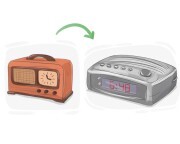
species
species
[существительное]

a group that animals, plants, etc. of the same type which are capable of producing healthy offspring with each other are divided into

виды

виды

Ex: The Galapagos finches are a classic example of how different species can evolve from a common ancestor. 

Галапагосские вьюрки — это классический пример того, как разные виды могут эволюционировать от общего предка.
Закрыть
Войти
to evolve
to evolve
[глагол]

to develop or change gradually over time into a different form

эволюционировать

эволюционировать

Ex: The small workshop evolved into a successful international company. 
Закрыть
Войти
variant
variant
[существительное]

something a little different from others of the same type

вариант

вариант

Закрыть
Войти
to end up
to end up
[глагол]

to eventually reach or find oneself in a particular place, situation, or condition, often unexpectedly or as a result of circumstances

в итоге оказаться, в конце концов попасть

в итоге оказаться, в конце концов попасть

Ex: Despite careful planning, we somehow ended up getting lost in the unfamiliar city. 

Несмотря на тщательное планирование, мы каким-то образом оказались потерянными в незнакомом городе.

Закрыть
Войти
to alter
to alter
[глагол]

to change without becoming totally different

измениться

измениться

Ex: The color of the fabric may alter slightly after washing. 
Закрыть
Войти
over time
over time
[наречие]

as time passes or progresses

со временем, с течением времени

со временем, с течением времени

Ex: The timeline depicts how technology has evolved over time. 

Хронология показывает, как технология развивалась с течением времени.
Закрыть
Войти
central
central
[прилагательное]

very important and necessary

основной, фундаментальный

основной, фундаментальный

Ex: The central issue in the debate was climate change. 
Закрыть
Войти
hunter-gatherer
hunter-gatherer
[существительное]

a member of a society that survives by hunting animals, fishing, and gathering wild plants rather than practicing agriculture

охотник-собиратель, охотник-собиратель

охотник-собиратель, охотник-собиратель

Ex: Early humans were hunter-gatherers before the advent of farming. 

Ранние люди были охотниками-собирателями до появления земледелия.

Закрыть
Войти
narrative
narrative
[существительное]

a story or account describing a series of events

повествование
повествование

Ex: The novel follows a complex narrative spanning three generations. 
Закрыть
Войти
trivial
trivial
[прилагательное]

having little or no importance

ничтожный, незначительный

ничтожный, незначительный

Ex: His trivial concerns about the color of the walls were overshadowed by more urgent matters. 

Его тривиальные заботы о цвете стен были омрачены более срочными делами.

Закрыть
Войти
gruesome
gruesome
[прилагательное]

causing extreme fear, shock, or disgust

ужасный

ужасный

Ex: The crime scene was too gruesome for most people to describe. 

Место преступления было слишком жутким, чтобы большинство людей могли его описать.
Закрыть
Войти
to turn out
to turn out
[глагол]

to emerge as a particular outcome

в итоге оказаться, прийти к определенному исходу

в итоге оказаться, прийти к определенному исходу

Ex: The new restaurant turned out to be a huge hit with the locals. 

Новый ресторан оказался огромным успехом среди местных жителей.

Закрыть
Войти
bloodthirsty
bloodthirsty
[прилагательное]

(of a movie, story, or other media) containing a great deal of violence or brutality

кровожадный, жестокий

кровожадный, жестокий

Ex: The game's storyline took a dark turn, becoming unexpectedly bloodthirsty in the final levels. 

Сюжет игры принял мрачный поворот, став неожиданно кровожадным на последних уровнях.

Закрыть
Войти
preserved
preserved
[прилагательное]

kept intact or maintained in a particular condition

сохранённый, сохранившийся

сохранённый, сохранившийся

Ex: The preserved fortress attracts thousands of visitors each year. 
Закрыть
Войти
to retain
to retain
[глагол]

to intentionally keep, maintain, or preserve something in its current state, resisting removal, elimination, or alteration

сохранять, поддерживать

сохранять, поддерживать

Ex: The small town decided to retain its annual summer festival as a cherished tradition. 
Закрыть
Войти
oral
oral
[прилагательное]

expressed, communicated, or performed through speech rather than writing

устный

устный

Ex: Emma gave an oral presentation to the class. 
Закрыть
Войти
teller
teller
[существительное]

someone who recounts a story, whether fictional or factual

рассказчик, сказитель

рассказчик, сказитель

Ex: The teller captivated the children with tales of dragons and knights. 

Рассказчик очаровал детей историями о драконах и рыцарях.
Закрыть
Войти
to swallow
to swallow
[глагол]

to cause food, drink, or another substance to pass from the mouth through the throat into the stomach

проглотить

проглотить

Ex: Emma swallowed the tablet with a glass of water. 
Закрыть
Войти
to cut out
to cut out
[глагол]

to use a sharp object like scissors or a knife on something to remove a section from it

вырезать, вырезать часть

вырезать, вырезать часть

Ex: She carefully cut out the intricate design from the paper to create a delicate silhouette. 

Она аккуратно вырезала замысловатый узор из бумаги, чтобы создать изящный силуэт.

Закрыть
Войти
gripping
gripping
[прилагательное]

exciting and intriguing in a way that attracts one's attention

захватывающий

захватывающий

Ex: The gripping novel kept me on the edge of my seat, unable to put it down until I reached the last page. 
Закрыть
Войти
unconvinced
unconvinced
[прилагательное]

having doubts about the validity or credibility of something

не убежденный

не убежденный

Закрыть
Войти
perennial
perennial
[прилагательное]

happening repeatedly

постоянный, вечный

постоянный, вечный

Ex: The perennial issue of traffic congestion in the city needs a sustainable solution. 

Постоянная проблема дорожных пробок в городе требует устойчивого решения.
Закрыть
Войти
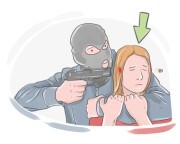
victim
victim
[существительное]

a person who has been harmed, injured, or killed due to a crime, accident, etc.

жертва

жертва

Ex: The victim of the robbery was left shaken but unharmed. 
Закрыть
Войти
to point out
to point out
[глагол]

to present and emphasize reasons against a particular idea or suggestion

указывать, подчеркивать

указывать, подчеркивать

Ex: During the debate, she pointed out the inconsistencies in her opponent's argument. 

Во время дебатов она указала на несоответствия в аргументах своего оппонента.

Закрыть
Войти
finding
finding
[существительное]

a piece of information discovered as a result of a research

находка

находка

Ex: One important finding was that the treatment worked better for younger patients. 
Закрыть
Войти
moral
moral
[существительное]

the lesson, principle, or significance conveyed by a story, event, or experience

мораль, урок

мораль, урок

Ex: The story has a simple moral about kindness. 
Закрыть
Войти
to seek out
to seek out
[глагол]

look for a specific person or thing

искать, разыскивать

искать, разыскивать

Закрыть
Войти
to build up
to build up
[глагол]

to make something more powerful, intense, or larger in quantity

накапливать, развивать

накапливать, развивать

Ex: The organization aims to build up a solid foundation for its charitable initiatives. 

Организация стремится построить прочную основу для своих благотворительных инициатив.

Закрыть
Войти
resistance
resistance
[существительное]

the ability of a person, organism or microorganism to withstand or defend against diseases, drugs, toxins, or environmental stress

сопротивление
сопротивление

Ex: Certain plants evolved resistance to harsh environmental conditions. 
Закрыть
Войти
to find out
to find out
[глагол]

to discover or become aware of a piece of information or a fact

узнавать, выяснять

узнавать, выяснять

Ex: He found out about the promotion through an email from his boss. 

Он узнал о повышении через письмо от своего босса.

Закрыть
Войти
around the (world|globe)
around the world
[фраза]

in many different countries and regions of Earth

Ex: Her music is appreciated by fans all around the world. 
Закрыть
Войти
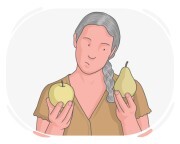
contrary
contrary
[прилагательное]

opposite or very different in nature, character, opinion, or effect

противоположный
противоположный

Ex: The results were contrary to what the researchers had expected. 
Закрыть
Войти
to contrast
to contrast
[глагол]

to compare two people or things so that their differences are noticeable

сопоставлять

сопоставлять

Ex: She is contrasting different approaches to problem-solving. 
Закрыть
Войти
to overemphasize
to overemphasize
[глагол]

to place too much importance or attention on something, exaggerating its significance beyond what is necessary or appropriate

преувеличивать значение, слишком подчеркивать

преувеличивать значение, слишком подчеркивать

Ex: The manager tends to overemphasize minor issues, causing unnecessary stress among the team. 

Менеджер склонен чрезмерно подчеркивать незначительные проблемы, вызывая ненужный стресс в команде.

Закрыть
Войти
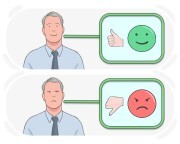
horrific
horrific
[прилагательное]

causing intense fear, shock, or disgust

ужасающий, жуткий

ужасающий, жуткий

Ex: The movie's special effects created a horrific scene of monsters attacking the city. 

Спецэффекты фильма создали ужасающую сцену нападения монстров на город.
Закрыть
Войти
to imply
to imply
[глагол]

to suggest without explicitly stating

подразумевать

подразумевать

Ex: Her tone implied that she was unhappy with the decision. 
Закрыть
Войти
real world
real world
[существительное]

the practical world as opposed to the academic world

реальный мир, практический мир

реальный мир, практический мир

Закрыть
Войти
LanGeek
Скачать приложение LanGeek