
Cambridge IELTS 15 - Academic - Test 3 - Czytanie - Fragment 3
Ucz się słownictwa z Cambridge IELTS 15 Academic, Test 3 Reading Passage 3 i powtarzaj przydatne słowa i wyrażenia z tego tekstu do czytania.
Przegląd
Fiszki
formy
Pisownia
Test
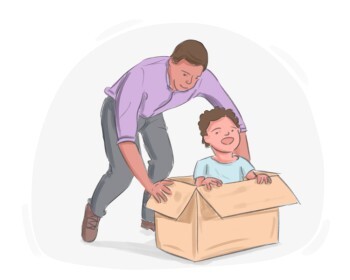
to make one's time enjoyable by doing something that is interesting and does not make one bored

bawić, zabawiać
Zabawne wybryki kociąt bawiły dzieci przez godziny.

referring to something that remains popular or successful over a long period
trwały, nieprzemijający
Nike stał się jedną z najbardziej trwałych marek w branży sportowej.
(of an idea or plan) to develop or become more defined
nabierać kształtu, krystalizować się
W miarę jak dyskusja trwa, wizja projektu społecznościowego nabierze kształtu wśród członków zespołu.
along a route towards a specific destination
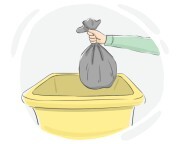
to get rid of something that is no longer wanted or needed
pozbywać się, usuwać
a scientist who studies human beings, especially their societies, cultures, languages, and physical development, both past and present
antropolog, etnolog
Został antropologiem po podróży przez odległe wioski w Azji.

a difference, particularly an unwanted one, causing separation between two people, situations, or opinions
luka, przepaść
a member of the university faculty engaged in teaching or research
akademik, pracownik naukowy

a type of folktale that typically features mythical creatures, magical events, and enchanted settings, often with a moral lesson or a happy ending
baśń, opowieść fantastyczna
Wiele klasycznych baśni, takich jak "Królewna Śnieżka" i "Śpiąca Królewna", zostało zaadaptowanych w popularnych filmach i animacjach.
to find a solution to a problem
rozwiązać, znaleźć
Mogę pomóc Ci rozwiązać kwestie logistyczne Twoich planów podróży.
of or relating to the evolutionary development of organisms
filogenetyczny, filogenetyczny
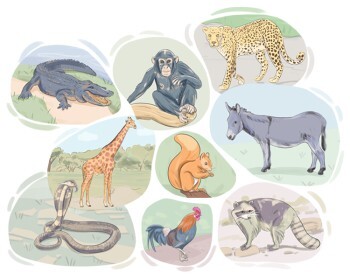
a group that animals, plants, etc. of the same type which are capable of producing healthy offspring with each other are divided into
gatunek, gatunki
Pies domowy to gatunek z rodzaju Canis, który był selekcjonowany przez ludzi przez tysiące lat.
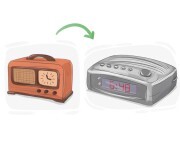
to develop or change gradually over time into a different form
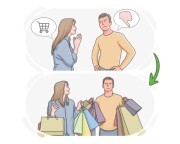
to eventually reach or find oneself in a particular place, situation, or condition, often unexpectedly or as a result of circumstances
ostatecznie znaleźć się, skończyć ostatecznie
Czasami życie przybiera nieoczekiwane zwroty akcji i możesz skończyć w karierze, której początkowo nie brałeś pod uwagę.
to change without becoming totally different
zmieniać, modyfikować
as time passes or progresses
z czasem, w miarę upływu czasu
Z czasem firma rozszerzyła swoją działalność na arenie międzynarodowej.
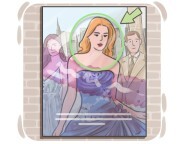
very important and necessary
kluczowy, podstawowy
a member of a society that survives by hunting animals, fishing, and gathering wild plants rather than practicing agriculture
łowca-zbieracz, łowca-zbieracz
Antropolodzy badają narzędzia używane przez łowców-zbieraczy.
a story or account describing a series of events
narracja, opowieść
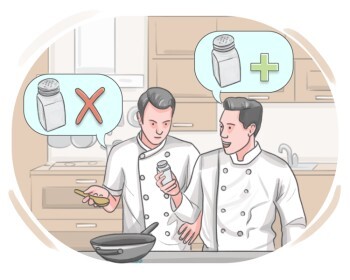
having little or no importance
błahy, nieistotny
Spotkanie zostało opóźnione przez błahe problemy, które można było szybko rozwiązać.

causing extreme fear, shock, or disgust
przerażający, okropny
Książka szczegółowo opisywała przerażające wydarzenia bitwy.
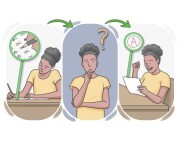
to emerge as a particular outcome
ostatecznie okazać się, zakończyć się określonym wynikiem
Nie spodziewali się wielu ludzi. Okazało się, że wino rocznikowe było warte znacznie więcej, niż się spodziewali.
(of a movie, story, or other media) containing a great deal of violence or brutality
krwiożerczy, brutalny
Krytycy ostro skrytykowali film jako niepotrzebnie krwiożerczy, twierdząc, że przemoc przyćmiła fabułę.
kept intact or maintained in a particular condition
zachowany, zakonserwowany
to intentionally keep, maintain, or preserve something in its current state, resisting removal, elimination, or alteration
zachować, utrzymywać
expressed, communicated, or performed through speech rather than writing
ustny, oralny
someone who recounts a story, whether fictional or factual
opowiadacz, narrator
Ogniska są idealne dla opowiadaczy, aby dzielili się opowieściami o duchach.
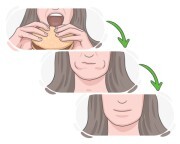
to cause food, drink, or another substance to pass from the mouth through the throat into the stomach
połykać, przełykać

to use a sharp object like scissors or a knife on something to remove a section from it
wyciąć, wyciąć fragment
Muszę wyciąć kształt serca z tego papieru konstrukcyjnego na projekt rzemieślniczy.

exciting and intriguing in a way that attracts one's attention
wciągający, fascynujący
having doubts about the validity or credibility of something
nieprzekonany, sceptyczny
happening repeatedly
powtarzający się, wieczny
Dyskusje na temat zmian klimatu są ciągłe, ponieważ temat pozostaje aktualny przez pokolenia.
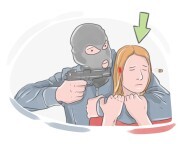
a person who has been harmed, injured, or killed due to a crime, accident, etc.
ofiara
to present and emphasize reasons against a particular idea or suggestion
wskazać, podkreślić
Nauczyciel wskazał problemy w podejściu ucznia do problemu.

a piece of information discovered as a result of a research
odkrycie, wniosek
the lesson, principle, or significance conveyed by a story, event, or experience
morat, lekcja

to make something more powerful, intense, or larger in quantity
gromadzić, rozwijać
Burza nadal zbierała siłę nad oceanem.
the ability of a person, organism or microorganism to withstand or defend against diseases, drugs, toxins, or environmental stress
oporność, odporność
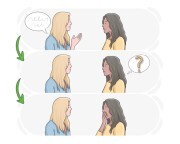
to discover or become aware of a piece of information or a fact
dowiedzieć się, odkryć
Była zszokowana, dowiadując się, że jej ulubiona restauracja została zamknięta.
in many different countries and regions of Earth
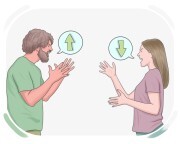
opposite or very different in nature, character, opinion, or effect
przeciwny, odwrotny
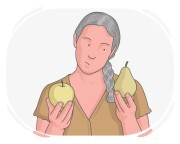
to compare two people or things so that their differences are noticeable
kontrastować
to place too much importance or attention on something, exaggerating its significance beyond what is necessary or appropriate
przesadnie podkreślać, wyolbrzymiać znaczenie
Media mają tendencję do nadmiernego podkreślania skandali celebryckich, zaniedbując bardziej palące kwestie społeczne.
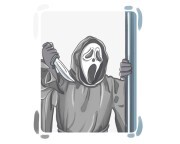
causing intense fear, shock, or disgust
przerażający, okropny
Świadek opisał wypadek w przerażających szczegółach, powodując, że wszyscy wzdrygnęli się z przerażenia.
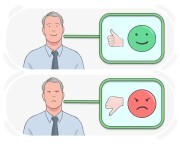
to suggest without explicitly stating
sugerować, implikować
the practical world as opposed to the academic world
świat rzeczywisty, świat praktyczny
| Cambridge IELTS 15 - Academic | |||
|---|---|---|---|
| Test 3 - Czytanie - Fragment 3 | Test 4 - Słuchanie - Część 1 | Test 4 - Słuchanie - Część 2 | Test 4 - Słuchanie - Część 3 |
| Test 4 - Słuchanie - Część 4 | Test 4 - Czytanie - Fragment 1 | Test 4 - Czytanie - Fragment 2 | Test 4 - Czytanie - Fragment 3 |
