pattern

Cambridge IELTS 15 - Academic - Test 3 - Reading - Passage 3

Here you can find the vocabulary from Test 3 - Reading - Passage 3 in the Cambridge IELTS 15 - Academic coursebook, to help you prepare for your IELTS exam.

Review

Flashcards

Forms

Spelling

Quiz
Start learning
Cambridge IELTS 15 - Academic
to amuse
to amuse
[Verb]

to make one's time enjoyable by doing something that is interesting and does not make one bored

Ex: She amused herself by reading a funny book on her commute. 
Close
Sign in
enduring
enduring
[Adjective]

referring to something that remains popular or successful over a long period

Ex: Nike has become one of the most enduring brands in the sports industry. 
Close
Sign in
to [take] form

(of an idea or plan) to develop or become more defined

Ex: Over the course of several meetings, the proposal took form and became a viable strategy. 
Close
Sign in
on the way
on the way
[phrase]

along a route towards a specific destination
Ex: She stopped to get coffee on the way to work. 
Close
Sign in
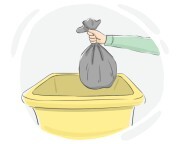
to dispose

to throw away something, often in a responsible manner

Ex: The city provides special bins to safely dispose of hazardous materials. 
Close
Sign in
cautionary
cautionary
[Adjective]

functioning as a warning

Close
Sign in
anthropologist

a scientist who studies human beings, especially their societies, cultures, languages, and physical development, both past and present
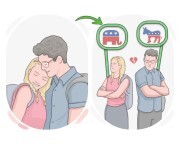
Ex: The anthropologist spent years living among the tribe to understand their customs. 
Close
Sign in
gap
gap
[noun]

a difference, particularly an unwanted one, causing separation between two people, situations, or opinions

Ex: The gap in understanding between the two generations often leads to disagreements. 
Close
Sign in
academic
academic
[noun]

a member of the university faculty engaged in teaching or research
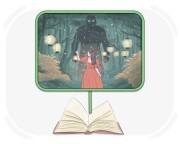
Ex: The academics gathered at the conference to discuss the latest developments in their fields. 
Close
Sign in
fairy tale

a type of folktale that typically features mythical creatures, magical events, and enchanted settings, often with a moral lesson or a happy ending

Ex: Children love to immerse themselves in the magical world of fairy tales, where anything seems possible. 
Close
Sign in
to work out

to find a solution to a problem

Ex: We must work out a solution to the budgetary issues before moving forward. 
Close
Sign in
phylogenetic
phylogenetic
[Adjective]

of or relating to the evolutionary development of organisms

Close
Sign in
species
species
[noun]

a group that animals, plants, etc. of the same type which are capable of producing healthy offspring with each other are divided into
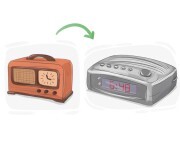
Ex: The Galapagos finches are a classic example of how different species can evolve from a common ancestor. 
Close
Sign in
to evolve
to evolve
[Verb]

to develop from a simple form to a more complex or sophisticated one over an extended period
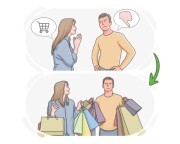
Ex: The Internet has evolved from a basic communication tool to a complex network of information. 
Close
Sign in
variant
variant
[noun]

something a little different from others of the same type

Close
Sign in
to end up
to end up
[Verb]

to eventually reach or find oneself in a particular place, situation, or condition, often unexpectedly or as a result of circumstances

Ex: Despite careful planning, we somehow ended up getting lost in the unfamiliar city. 
Close
Sign in
to alter
to alter
[Verb]

to change without becoming totally different
Ex: Over time, people's tastes and preferences can alter. 
Close
Sign in
over time
over time
[Adverb]

as time passes or progresses

Ex: Skills improve over time with regular practice. 
Close
Sign in
central
central
[Adjective]

very important and necessary

Ex: Trust is central to the success of any partnership or collaboration. 
Close
Sign in
hunter-gatherer

a member of a society that survives by hunting animals, fishing, and gathering wild plants rather than practicing agriculture

Ex: Early humans were hunter-gatherers before the advent of farming. 
Close
Sign in
narrative
narrative
[noun]

a story or an account of something especially one that is told in a movie, novel, etc.
Ex: The narrative of the film captured the audience's attention from the very beginning. 
Close
Sign in
trivial
trivial
[Adjective]

having little or no importance

Ex: The meeting was delayed by trivial issues that could have been resolved quickly. 
Close
Sign in
gruesome
gruesome
[Adjective]

causing extreme fear, shock, or disgust
Ex: The crime scene was too gruesome for most people to describe. 
Close
Sign in
to turn out

to emerge as a particular outcome

Ex: The party turned out to be more fun than we thought. 
Close
Sign in
bloodthirsty
bloodthirsty
[Adjective]

(of a movie, story, or other media) containing a great deal of violence or brutality

Ex: Critics slammed the movie as unnecessarily bloodthirsty, arguing that the gore overshadowed the plot. 
Close
Sign in
preserved
preserved
[Adjective]

kept intact or in a particular condition

Close
Sign in
to retain
to retain
[Verb]

to intentionally keep, maintain, or preserve something in its current state, resisting removal, elimination, or alteration

Ex: The small town decided to retain its annual summer festival as a cherished tradition. 
Close
Sign in
oral
oral
[Adjective]

spoken rather than written

Ex: She prepared thoroughly for her oral presentation on the selected topic. 
Close
Sign in
teller
teller
[noun]

someone who recounts a story, whether fictional or factual
Ex: The teller captivated the children with tales of dragons and knights. 
Close
Sign in
to swallow

to cause food, drink, or another substance to pass from the mouth down into the stomach, using the muscles of the throat

Ex: It's important to chew your food well before you swallow. 
Close
Sign in
to cut out

to use a sharp object like scissors or a knife on something to remove a section from it

Ex: Can you cut the coupons out of the magazine so we can use them at the store? 
Close
Sign in
gripping
gripping
[Adjective]

exciting and intriguing in a way that attracts one's attention

Ex: The gripping novel kept me on the edge of my seat, unable to put it down until I reached the last page. 
Close
Sign in
unconvinced
unconvinced
[Adjective]

having doubts about the validity or credibility of something

Close
Sign in
perennial
perennial
[Adjective]

happening repeatedly

Ex: The perennial issue of traffic congestion in the city needs a sustainable solution. 
Close
Sign in
victim
victim
[noun]

a person who has been harmed, injured, or killed due to a crime, accident, etc.

Ex: The victim of the robbery was left shaken but unharmed after the ordeal. 
Close
Sign in
to point out

to present and emphasize reasons against a particular idea or suggestion

Ex: During the debate, she pointed out the inconsistencies in her opponent's argument. 
Close
Sign in
finding
finding
[noun]

a piece of information discovered as a result of a research

Ex: The scientist's finding revealed a new way to treat the disease. 
Close
Sign in
moral
moral
[noun]

the lesson, principle, or significance conveyed by a story, event, or experience

Ex: The moral of the fable is that honesty is the best policy. 
Close
Sign in
to seek out

look for a specific person or thing

Close
Sign in
to build up

to make something more powerful, intense, or larger in quantity

Ex: She built up her reputation as a reliable professional over the years. 
Close
Sign in
resistance

the ability of a person, organism or microorganism to withstand or defend against diseases, drugs, toxins, or environmental stress
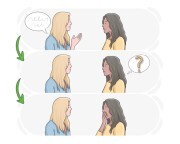
Ex: The bacteria developed resistance to multiple antibiotics. 
Close
Sign in
to find out

to discover or become aware of a piece of information or a fact

Ex: He found out about the surprise party when he overheard his friends talking about it. 
Close
Sign in
around the (world|globe)

in many different countries and regions of Earth

Ex: The company has offices around the world. 
Close
Sign in
contrary
contrary
[Adjective]

completely different or opposed in basic qualities or usual behaviors
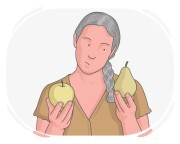
Ex: Despite their contrary opinions on the project, they managed to find a compromise that satisfied everyone. 
Close
Sign in
to contrast

to compare two people or things so that their differences are noticeable

Ex: She is currently contrasting the different approaches to problem-solving. 
Close
Sign in
to overemphasize

to place too much importance or attention on something, exaggerating its significance beyond what is necessary or appropriate
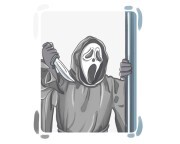
Ex: The manager tends to overemphasize minor issues, causing unnecessary stress among the team. 
Close
Sign in
horrific
horrific
[Adjective]

causing intense fear, shock, or disgust
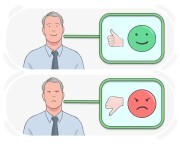
Ex: The movie's special effects created a horrific scene of monsters attacking the city. 
Close
Sign in
to imply
to imply
[Verb]

to suggest without explicitly stating

Ex: The politician's statement seemed to imply that there was more to the story than what was being revealed. 
Close
Sign in
real world

the practical world as opposed to the academic world

Close
Sign in
LanGeek
Download LanGeek app