pattern

El libro Interchange - Intermedio - Unidad 16 - Parte 1

Aquí encontrarás el vocabulario de la Unidad 16 - Parte 1 del libro de curso Interchange Intermediate, como "queja", "recuperarse", "solución", etc.

Revisión

Tarjetas de memoria

formas

Ortografía

Cuestionario

Empezar a aprender
Interchange - Intermediate
to [make] an excuse

to give a reason or explanation to avoid doing something or to explain a mistake or failure
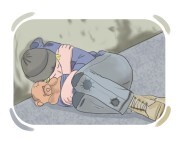
Ex: Instead of making excuses, he took responsibility for the error and worked to correct it. 
poor
poor
[Adjetivo]

owning a very small amount of money or a very small number of things

pobre

pobre

Ex: The poor family lived in a small, rundown house. 

La familia pobre vivía en una casa pequeña y deteriorada.

assignment
assignment
[Sustantivo]

a task or piece of work that someone is asked to do as part of their job

asignación, tarea

asignación, tarea

Ex: His assignment required him to analyze market trends. 

Su tarea requería que analizara las tendencias del mercado.

to bounce back

(of an email) to not reach the intended recipient and return to the sender because of an incorrect address or an error

rebotar, devolverse

rebotar, devolverse

Ex: The email bounced back because the recipient's inbox was full. 

El correo electrónico rebotó porque el buzón del destinatario estaba lleno.

to donate
to donate
[Verbo]

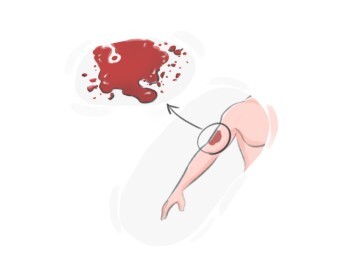
to give parts of one's body like blood, organs, tissues or other substances for medical purposes such as research, transplants, or treatment

donar
donar

Ex: Many people donate plasma to help patients in need. 

Muchas personas donan plasma para ayudar a los pacientes necesitados.

blood
blood
[Sustantivo]

the red liquid that the heart pumps through the body, carrying oxygen to and carbon dioxide from the tissues

sangre

sangre

Ex: The doctor drew a small amount of blood for a routine test. 

El médico extrajo una pequeña cantidad de sangre para una prueba de rutina.

to hide
to hide
[Verbo]

to keep something in a secret place, preventing it from being seen

esconder

esconder

Ex: She hid the gift under her bed to keep it a surprise. 

Ella escondió el regalo debajo de su cama para mantenerlo como una sorpresa.

key
key
[Sustantivo]

a specially shaped piece of metal used for locking or unlocking a door, starting a car, etc.

llave

llave

Ex: The spare key was hidden under a rock near the front porch. 

La llave de repuesto estaba escondida bajo una roca cerca del porche delantero.

highway
highway
[Sustantivo]

any major public road that connects cities or towns

autopista

autopista

Ex: She enjoyed the scenic views along the coastal highway. 

Disfrutó de las vistas escénicas a lo largo de la carretera costera.

to say
to say
[Verbo]

to use words and our voice to show what we are thinking or feeling

decir

decir

Ex: She said she loved the gift I gave her. 

Ella dijo que le encantaba el regalo que le di.

to arrive
to arrive
[Verbo]

to reach a location, particularly as an end to a journey

llegar

llegar

Ex: The delivery truck is expected to arrive at our doorstep by noon with the package. 

Se espera que el camión de reparto llegue a nuestra puerta al mediodía con el paquete.

to leave
to leave
[Verbo]

to go away from somewhere

dejar

dejar

Ex: The bus will leave in five minutes, so be quick! 

El autobús saldrá en cinco minutos, ¡así que date prisa!

to tell
to tell
[Verbo]

to use words and give someone information

contar

contar

Ex: She told her friend about the new restaurant in town. 

Ella contó a su amiga sobre el nuevo restaurante en la ciudad.

to ask
to ask
[Verbo]

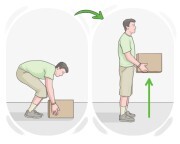
to use words in a question form or tone to get answers from someone

preguntar
preguntar

Ex: We should ask our neighbors if they need any help during the move. 

Deberíamos preguntar a nuestros vecinos si necesitan ayuda durante la mudanza.

to pick up
to pick up
[Verbo]

to take and lift something or someone up

recoger

recoger

Ex: She picked up the newspaper from the porch in the morning. 

Ella recogió el periódico del porche por la mañana.

apology
apology
[Sustantivo]

something that a person says or writes that shows they regret what they did to someone

disculpa, perdón

disculpa, perdón

Ex: The teacher accepted the student's apology for not completing the assignment on time. 

El profesor aceptó la disculpa del estudiante por no completar la tarea a tiempo.

complaint
complaint
[Sustantivo]

a typically minor health issue or condition for which one seeks medical assistance

dolencia, afección

dolencia, afección

Ex: The clinic specializes in treating various skin complaints, from rashes to eczema. 

La clínica se especializa en tratar diversas afecciones de la piel, desde erupciones hasta eczema.

explanation
explanation
[Sustantivo]

information or details that are given to make something clear or easier to understand

explicación, aclaración

explicación, aclaración

Ex: The teacher's explanation made the math problem much easier to solve. 

La explicación del profesor hizo que el problema de matemáticas fuera mucho más fácil de resolver.

idea
idea
[Sustantivo]

a suggestion or thought about something that we could do

idea

idea

Ex: Let's brainstorm and come up with creative ideas for the marketing campaign. 

Hagamos una lluvia de ideas y propongamos ideas creativas para la campaña de marketing.

invitation
invitation
[Sustantivo]

a written or spoken request to someone, asking them to attend a party or event

invitación

invitación

Ex: He was thrilled to receive an invitation to interview for his dream job. 

Estaba emocionado de recibir una invitación para una entrevista para el trabajo de sus sueños.

joke
joke
[Sustantivo]

something a person says that is intended to make others laugh

broma

broma

Ex: The comedian's joke about the airplane food had the audience in stitches. 

El chiste del comediante sobre la comida de avión tuvo al público desternillándose de risa.

to lie
to lie
[Verbo]

to intentionally say or write something that is not true

mentir

mentir

Ex: Yesterday, she lied to her parents about where she was going. 

Ayer, ella mintió a sus padres sobre dónde iba.

to offer
to offer
[Verbo]

to present or propose something to someone

ofrecer

ofrecer

Ex: The teacher offered valuable feedback to help the students improve their work. 
reason
reason
[Sustantivo]

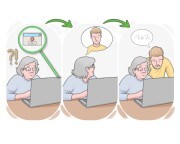
something that explains an action or event

razón
razón

Ex: The teacher explained the reason behind the scientific principle to the students. 

El profesor explicó la razón detrás del principio científico a los estudiantes.

to request
to request
[Verbo]

to ask for something politely or formally

pedir, solicitar

pedir, solicitar

Ex: Please request permission from the supervisor before making any changes to the schedule. 

Por favor, solicite permiso al supervisor antes de realizar cualquier cambio en el horario.

solution
solution
[Sustantivo]

a way in which a problem can be solved or dealt with

solución

solución

Ex: The puzzle enthusiast quickly found the solution to the crossword puzzle. 

El entusiasta de los rompecabezas encontró rápidamente la solución al crucigrama.

suggestion
suggestion
[Sustantivo]

the act of putting an idea or plan forward for someone to think about

sugerencia

sugerencia

Ex: The professor encouraged students to share their suggestions for topics to cover in the course. 

El profesor animó a los estudiantes a compartir sus sugerencias para los temas a tratar en el curso.

truth
truth
[Sustantivo]

the true principles or facts about something, in contrast to what is imagined or thought

verdad
verdad

Ex: Journalists strive to report news with integrity and adhere to the highest standards of truth. 

Los periodistas se esfuerzan por informar las noticias con integridad y adherirse a los más altos estándares de verdad.

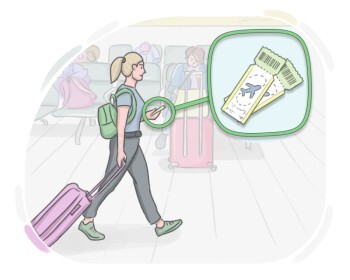
ticket
ticket
[Sustantivo]

a piece of paper or card that shows you can do or get something, like ride on a bus or attend an event

billete

billete

Ex: The flight attendant scanned my electronic ticket before I boarded the plane. 

El asistente de vuelo escaneó mi boleto electrónico antes de que abordara el avión.

to attend
to attend
[Verbo]

to be present at a meeting, event, conference, etc.

asistir a

asistir a

Ex: Many enthusiasts attended the science fiction convention to meet their favorite authors. 

Muchos entusiastas asistieron a la convención de ciencia ficción para conocer a sus autores favoritos.

average
average
[Adjetivo]

calculated by adding a set of numbers together and dividing this amount by the total number of amounts in that set

medio, promedio

medio, promedio

Ex: She calculated the average speed of the car during the trip. 

Ella calculó la velocidad promedio del coche durante el viaje.

employee
employee
[Sustantivo]

someone who is paid by another to work for them

empleado

empleado

Ex: The employee took a lunch break in the cafeteria. 

El empleado tomó un descanso para almorzar en la cafetería.

LanGeek
Descargar la aplicación LanGeek