
El libro Insight - Intermedio Alto - Unidad 4 - 4A
Aquí encontrarás el vocabulario de la Unidad 4 - 4A en el libro de curso Insight Upper-Intermediate, como "carga", "indeciso", "agresión", etc.
Revisión
Tarjetas de memoria
Ortografía
Cuestionario


a person who designs, fixes, or builds roads, machines, bridges, etc.

ingeniero
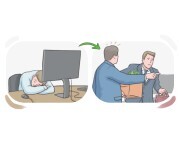
to make something happen, usually something bad
causar, provocar
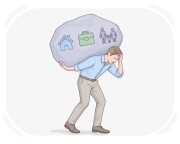
a responsibility or task that causes hardship, stress, etc.
carga
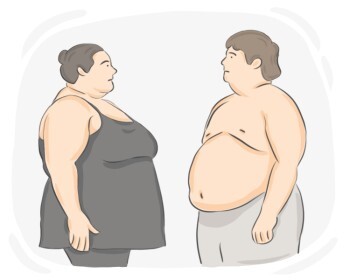
extremely overweight, with excess body fat that significantly increases health risks
obeso
El estudio se centró en los hábitos alimenticios de las personas obesas.
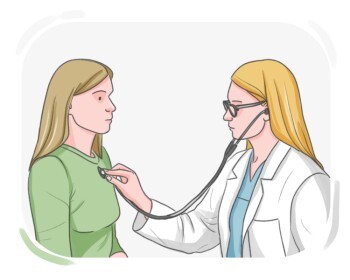
to examine and test a person in order to check if they are sick or not
hacer pruebas a, examinar
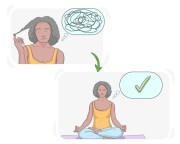
the ability in a person that makes them think, feel, or imagine
mente

to change one's opinion, idea, attitude, or plan
cambiar
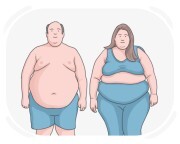
the condition of having such a high amount of body fat that it becomes very dangerous for one's health
obesidad
La obesidad aumenta el riesgo de desarrollar enfermedades crónicas como la diabetes, las enfermedades cardíacas y ciertos tipos de cáncer.
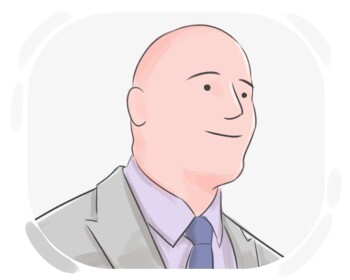
having little or no hair on the head
calvo
El hombre calvo usaba un sombrero para proteger su cabeza del sol.
the condition of having little or no hair on the head or body
calvicie, alopecia
Los tratamientos para la calvicie incluyen medicamentos y trasplantes de cabello.
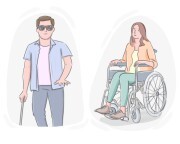
completely or partial inability to use a part of one's body or mind, caused by an illness, injury, etc.
discapacitado
a physical or mental condition that makes it difficult for a person to do some activities and usually lasts for a long time
discapacidad
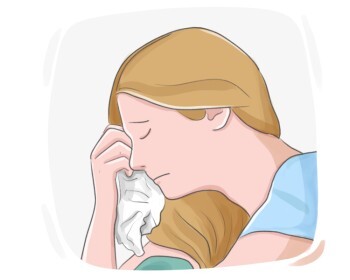
feeling very unhappy and having no hope
deprimido, desesperanzado
La pérdida de su trabajo la dejó deprimida e insegura sobre el futuro.
a mental health condition characterized by persistent sadness, loss of interest, and reduced energy or motivation
depresión
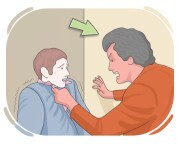
behaving in an angry way and having a tendency to be violent
agresivo
Se sentía intimidada por su comportamiento agresivo durante las discusiones.
hostile, threatening, or angry behavior that may involve violence
agresión
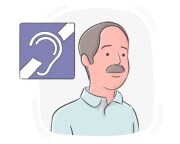
partly or completely unable to hear
sordo
the state or condition of being totally or partially unable to hear
sordera
Sordera no impide que las personas lleven vidas exitosas.
not able to clearly see the objects that are not at a very close distance to one
miope, corto de vista
a tendency to focus on short-term goals or benefits while ignoring the potential long-term consequence
miopía, falta de visión a largo plazo
La miopía del gobierno en las políticas ambientales se hizo evidente.
(of a substance, activity, behavior, etc.) causing strong dependency, making it difficult for a person to stop using or engaging in it
adictivo
La cafeína es un estimulante adictivo, por eso muchas personas dependen del café para empezar su día.
a strong desire to do or have something
adicción
La adicción del atleta al entrenamiento a veces le dejaba poco tiempo para cualquier otra cosa.
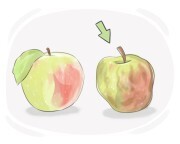
having faults, flaws, or shortcomings
imperfecto, defectuoso
El diamante era impresionante pero imperfecto, con una pequeña inclusión cerca del borde.
a state of having flaws or mistakes, which make something or someone less than ideal
imperfección, defecto
![to [slip] {one's} (mind|memory)](https://cdn.langeek.co/photo/44916/thumb/350?type=jpeg "to [slip] {one's} (mind|memory)")
to be forgotten or disregarded
pasársele por alto, olvidársele
Perdón, se me pasó tu cumpleaños.
to come into one's thoughts or mind momentarily
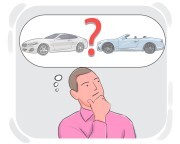
in a state of uncertainty in which it becomes difficult for one to make a decision between two available options
con sentimientos encontrados, indeciso
Estamos indecisos entre vender la casa ahora o esperar otro año.
![to [get|take|keep] {one's} mind off {sth}](https://cdn.langeek.co/photo/46354/thumb/350?type=jpeg "to [get|take|keep] {one's} mind off {sth}")
to distract someone's attention or thoughts away from something, typically something stressful, worrisome, or unpleasant
distraerse de algo, quitarse algo de la cabeza
Se mantuvo ocupado en el jardín para quitarse el dolor de la cabeza.
to remember or consider a particular piece of information or advice
![to [make] up {one's} mind](https://cdn.langeek.co/photo/72548/thumb/350?type=jpeg "to [make] up {one's} mind")
to come to a final decision or conclusion after considering different options or possibilities
tomar una decisión, decidirse
¿Ya decidiste qué apartamento vas a alquilar?
![to [change] {one's} mind](https://cdn.langeek.co/photo/44466/thumb/350?type=jpeg "to [change] {one's} mind")
to change one's opinion or decision regarding something
cambiar de opinión, echarse para atrás
Todavía puedes cambiar de opinión antes de que firmemos el contrato.
to let someone know that their bad behavior made one annoyed or angry
decirle cuatro verdades a alguien, cantarle las cuarenta a alguien
El entrenador les dijo cuatro verdades a los jugadores tras su actuación apática.
used to refer to someone who is so stressed, angry, or confused that they are unable to behave normally or make any logical decisions
with one's thoughts or concerns centered on a particular subject or issue
tener en mente, rondarle por la cabeza
Sonrió, pero noté que algo le rondaba por la cabeza.
