
Książka Insight - Średnio zaawansowany wyższy - Jednostka 4 - 4A
Tutaj znajdziesz słownictwo z Unitu 4 - 4A w podręczniku Insight Upper-Intermediate, takie jak "ciężar", "wahający się", "agresja" itp.
Przegląd
Fiszki
Pisownia
Test


a person who designs, fixes, or builds roads, machines, bridges, etc.

inżynier, technik
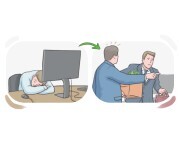
to make something happen, usually something bad
powodować, wywoływać
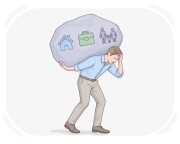
a responsibility or task that causes hardship, stress, etc.
ciężar, obowiązek
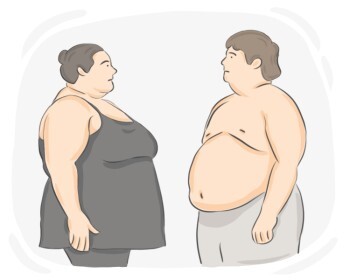
extremely overweight, with excess body fat that significantly increases health risks
otyły, nadwaga
Klinika oferuje specjalistyczne programy dla pacjentów otyłych, których celem jest promowanie utraty wagi.
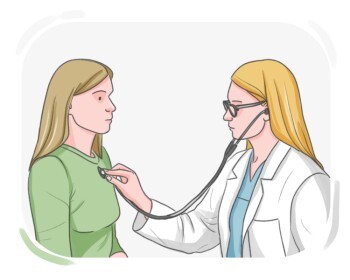
to examine and test a person in order to check if they are sick or not
badać, przesiewać
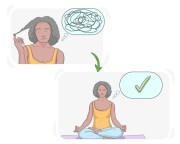
the ability in a person that makes them think, feel, or imagine
umysł, intelekt

to change one's opinion, idea, attitude, or plan
zmieniać, przesuwać
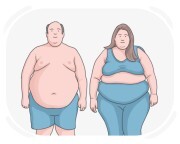
the condition of having such a high amount of body fat that it becomes very dangerous for one's health
otyłość, nadwaga
Otyłość zwiększa ryzyko rozwoju chorób przewlekłych, takich jak cukrzyca, choroby serca i niektóre rodzaje raka.
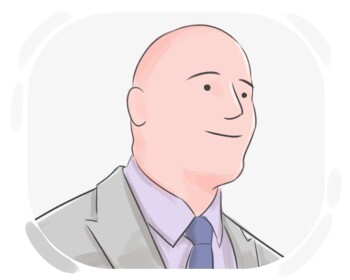
having little or no hair on the head
łysy, wyłysiały
Jego głowa stała się całkowicie łysa po latach golenia.
the condition of having little or no hair on the head or body
łysina, łysienie
Łysina aktora nadała mu charakterystyczny wygląd.
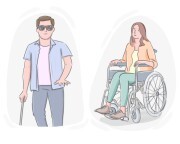
completely or partial inability to use a part of one's body or mind, caused by an illness, injury, etc.
niepełnosprawny, inwalida
a physical or mental condition that makes it difficult for a person to do some activities and usually lasts for a long time
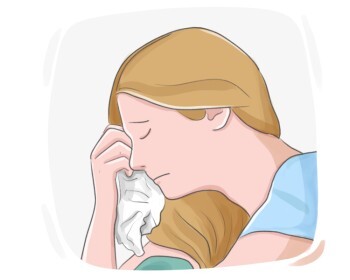
feeling very unhappy and having no hope
przygnębiony, depresyjny
Poczuła się przygnębiona po otrzymaniu rozczarowującej wiadomości.
a mental health condition characterized by persistent sadness, loss of interest, and reduced energy or motivation
depresja, przygnębienie
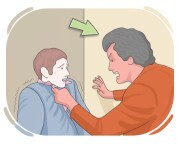
behaving in an angry way and having a tendency to be violent
agresywny, skłonny do przemocy
Agresywny protestant starł się z organami ścigania podczas demonstracji.
hostile, threatening, or angry behavior that may involve violence
agresja, agresywność
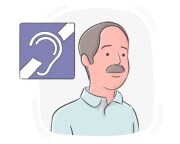
partly or completely unable to hear
głuchy, niedosłyszący
the state or condition of being totally or partially unable to hear
głuchota, stan głuchoty
Naukowcy pracują nad metodami leczenia, które odwrócą niektóre rodzaje głuchoty.
not able to clearly see the objects that are not at a very close distance to one
krótkowzroczny, niedowidzący
a tendency to focus on short-term goals or benefits while ignoring the potential long-term consequence
krótkowzroczność, brak dalekosiężnej wizji
Zdała sobie sprawę, że jej krótkowzroczność w planowaniu doprowadziła do utraty szans.
(of a substance, activity, behavior, etc.) causing strong dependency, making it difficult for a person to stop using or engaging in it
uzależniający, nałogowy
Aplikacje mediów społecznościowych są zaprojektowane tak, aby były uzależniające, utrzymując użytkowników przewijających dłużej.
a strong desire to do or have something
uzależnienie, nałóg
Uzależnienie od pracy może czasami prowadzić do wypalenia i napiętych relacji.
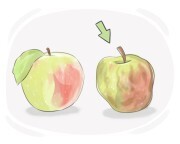
having faults, flaws, or shortcomings
niedoskonały, wadliwy
Plan był ambitny, ale niedoskonały, brakowało w nim uwzględnienia potencjalnych przeszkód.
a state of having flaws or mistakes, which make something or someone less than ideal
niedoskonałość, wada
![to [slip] {one's} (mind|memory)](https://cdn.langeek.co/photo/44916/thumb/350?type=jpeg "to [slip] {one's} (mind|memory)")
to be forgotten or disregarded
wylecieć z głowy, umknąć pamięci
Wyleciało mi z głowy, że termin był dzisiaj.
to come into one's thoughts or mind momentarily
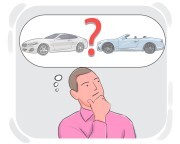
in a state of uncertainty in which it becomes difficult for one to make a decision between two available options
rozdarty, niezdecydowany
Podczas spotkania wydawał się niezdecydowany i nigdy nie dał jasnej odpowiedzi.
![to [get|take|keep] {one's} mind off {sth}](https://cdn.langeek.co/photo/46354/thumb/350?type=jpeg "to [get|take|keep] {one's} mind off {sth}")
to distract someone's attention or thoughts away from something, typically something stressful, worrisome, or unpleasant
oderwać myśli od czegoś, zająć czymś głowę
Weekendowy wyjazd może na chwilę oderwać twoje myśli od pracy.
to remember or consider a particular piece of information or advice
![to [make] up {one's} mind](https://cdn.langeek.co/photo/72548/thumb/350?type=jpeg "to [make] up {one's} mind")
to come to a final decision or conclusion after considering different options or possibilities
podjąć decyzję, zdecydować się
Nie mógł się zdecydować, czy zostać w domu, czy wyjść.
![to [change] {one's} mind](https://cdn.langeek.co/photo/44466/thumb/350?type=jpeg "to [change] {one's} mind")
to change one's opinion or decision regarding something
zmienić zdanie, rozmyślić się
Ciągle zmienia zdanie co do tego, gdzie chce studiować.
to let someone know that their bad behavior made one annoyed or angry
powiedzieć komuś do słuchu, wygarnąć komuś prosto w oczy
Jeśli linia lotnicza zgubi moją torbę, powiem im do słuchu.
used to refer to someone who is so stressed, angry, or confused that they are unable to behave normally or make any logical decisions
with one's thoughts or concerns centered on a particular subject or issue
chodzić po głowie, mieć na myśli
Po utracie pracy pieniądze wciąż chodziły mu po głowie.
