
Verbos del Curso de los Eventos - Verbos para el Timing
Aquí aprenderás algunos verbos en inglés que se refieren al tiempo como "prolongar", "alargar" y "pasar".
Revisión
Tarjetas de memoria
formas
Ortografía
Cuestionario
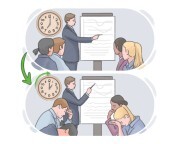
to make something last longer in time than it would naturally

prolongar
Ellos prolongaron la reunión para discutir asuntos importantes.
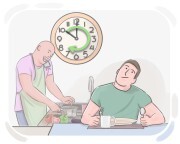
to extend a period of time or duration
prolongar
La enfermedad prolongó su recuperación y retrasó su regreso al trabajo.
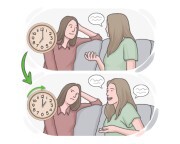
to extend in time, length, or duration, often longer than necessary
prolongar, extender la duración
En un esfuerzo por ser exhaustivo, el profesor eligió extender la lección, cubriendo cada tema en profundidad.
to prolong or extend a situation, event, or process, often unnecessarily
alargar innecesariamente, prolongar
Los procedimientos legales se alargaron, aumentando el estrés de todas las partes involucradas.
to extend a process, activity, or situation
prolongar, extender un proceso durante más tiempo
El profesor alargó la lección incorporando ejemplos adicionales y actividades interactivas.

to delay taking action or giving an answer in order to gain time
dar largas, postergar
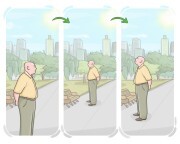
to pass time in a particular manner or in a certain place
pasar, dedicar
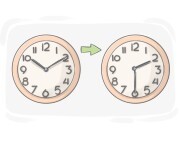
(of time) to pass by
transcurrir
Han transcurrido años desde la última vez que visitamos ese lugar.
to pass a certain point in time
pasar
El tiempo parecía pasar más rápido durante nuestras vacaciones.
(of a period of time) to pass quickly or unnoticed
pasar rápidamente, transcurrir sin darse cuenta
El tiempo pasó rápidamente cuando se estaban divirtiendo.
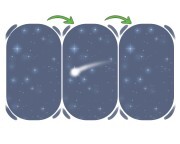
to come after another thing or person in order or time
seguir, venir después

to happen or exist before something else in time
preceder
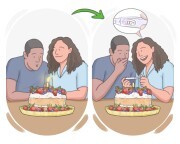
to happen at the same time or at nearly the same time as something else
coincidir
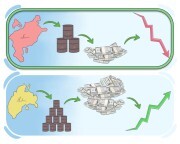
to fall behind in progress or development
quedarse atrás, retrasarse
Ella notó que sus niveles de energía se quedaban atrás a medida que avanzaba el día.
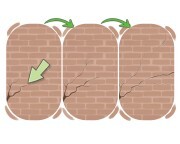
to exist or occur at an earlier time than something else
preceder, antedatar
Las civilizaciones antiguas en Mesopotamia preceden a las de las Américas.
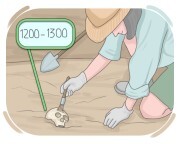
to have origins or existence that extends to a specific earlier time
remontarse a, datarse en
Las tradiciones del festival se remontan a una época en la que se fundó la comunidad.
to exist or occur in an earlier period of time
preceder, existir antes
La nueva tecnología es más avanzada que todo lo que ha existido antes.
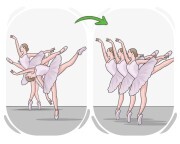
to make sure that different devices or systems operate together smoothly by coordinating their timing, data, or operations
sincronizar, coordinar
Los semáforos están sincronizados para optimizar el flujo del tráfico durante la hora punta.
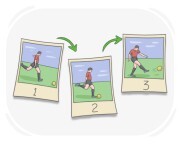
to arrange items or events in a particular order
secuenciar
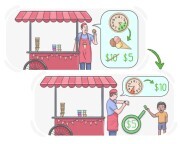
(particularly of a time period) to no longer be valid or active
expirar, vencer
El plazo de inscripción ha caducado, por lo que no se aceptan más solicitudes.
| Verbos del Curso de los Eventos | |||
|---|---|---|---|
| Verbos para la planificación y programación | Verbos para el Timing | Verbos para principiantes | Verbos para la continuación y la interrupción |
| Verbos para el final | Verbos para la Repetición | Verbos para la restauración y la recreación | |
