
Transporte Terrestre - Acciones de Tránsito
Aquí aprenderás algunas palabras en inglés relacionadas con acciones de tránsito como "conducir", "viajar diariamente", y "abordar".
Revisión
Tarjetas de memoria
formas
Ortografía
Cuestionario
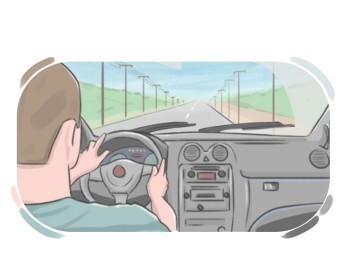
to control the movement and the speed of a car, bus, truck, etc. when it is moving

conducir
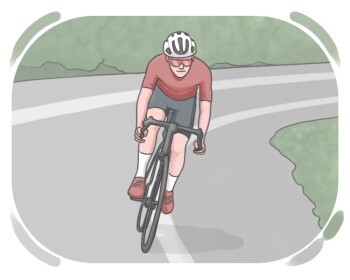
to travel somewhere by bicycle
ir en bici
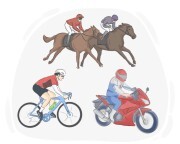
to sit on open-spaced vehicles like motorcycles or bicycles and be in control of their movements
montar, conducir

to move or travel using a motor or engine-powered vehicle
conducir, manejar
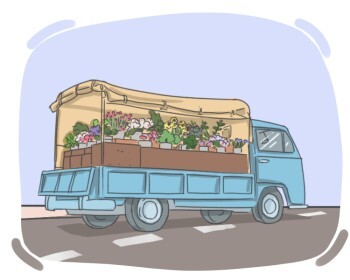
to transport something from one place to another by truck
transportar en camión, acarrear
(of means of transportation) to make a scheduled and regular journey along a specific route
circular, hacer el recorrido
a ride in a vehicle that takes someone from one place to another
un aventón, un ride
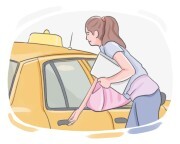
to let a person waiting by a road or street to get inside one's vehicle and give them a ride
recoger, levantar
No suelo recoger a los autoestopistas, pero estaba lloviendo a cántaros.
to release or unload people or cargo from a vehicle
dejar, soltar
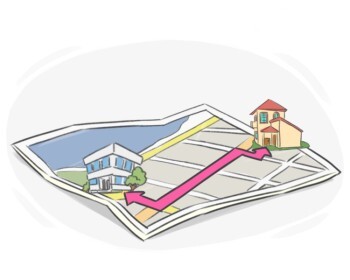
to regularly travel to one's place of work and home by different means
viajar diariamente al trabajo
Viviendo en los suburbios, tienen que desplazarse en coche.
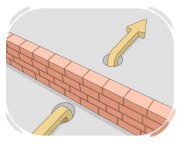
to navigate around or avoid something by taking an alternative route or direction
sortear, evitar
Los excursionistas se vieron obligados a rodear el sendero cerrado y encontrar una forma alternativa de llegar a la cima.
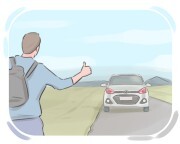
to travel by getting free rides in passing vehicles, typically by standing at the side of the road and signaling drivers to stop
hacer autostop, ir a dedo
Cuando su coche se averió en medio de la nada, no tuvieron más remedio que hacer autostop hasta el pueblo más cercano para pedir ayuda.
to get off or out of a vehicle or conveyance, especially after a journey
bajar, descender
Los pasajeros bajaron del avión y se dirigieron hacia la terminal.
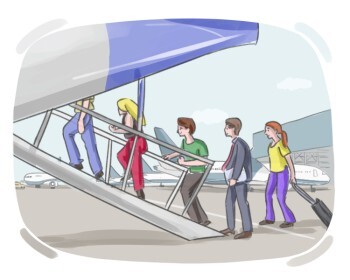
to get on a means of transportation such as a train, bus, aircraft, ship, etc.
subirse a, embarcarse
to reach and get on a bus, aircraft, or train in time
tomar, coger
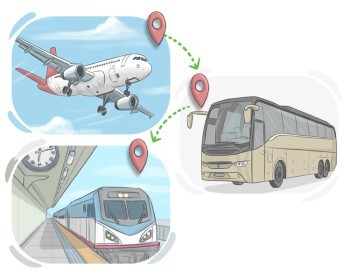
to move from a vehicle, airplane, etc. to another in order to continue a journey
cambiar, transbordar
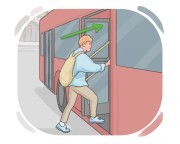
to use a taxi, bus, train, plane, etc. for transportation
tomar, coger
to signal an approaching taxi or bus to stop
llamar, hacer señas a
El hombre llamó un taxi fuera de la terminal del aeropuerto.
to take a short and usually informal trip, often by using public transportation or a small aircraft
saltar, tomar rápidamente
to use a particular route or means of transport in order to go somewhere
tomar
(of a vehicle) to come to a complete stop at the end of its journey
terminar, finalizar
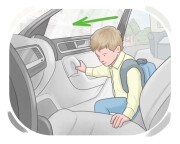
to physically enter a vehicle, such as a car or taxi
subir, entrar
El taxi se detuvo en la acera, y rápidamente me subí.
to get off a train
bajar del tren, descender del tren
Por favor, espere a que el tren se detenga por completo antes de intentar bajar por razones de seguridad.
to travel along a specific path on a regular basis
recorrer, trazar
El camión de reparto recorrería la carretera, transportando mercancías desde el almacén a varios puntos de venta.
to take people, goods, etc. from one place to another using a vehicle, ship, or aircraft
transportar
to go aboard a ship, aircraft, or other vehicle at the beginning of a journey
embarcarse
to leave a ship, aircraft, or train after arrival
desembarcar
on or into a vehicle such as a bus, train, plane, etc.
a bordo, al tren
Una vez que los niños estuvieron seguros a bordo, el autobús se alejó de la acera.
a trip taken by car, typically for leisure or vacation purposes, where the primary mode of transportation is driving on roads and highways
viaje por carretera, road trip
Hicimos las maletas y nos fuimos en un viaje por carretera espontáneo para el fin de semana.
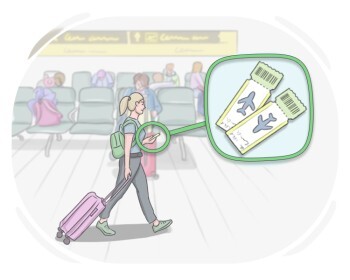
a journey to a destination and back to the point of departure
viaje de ida y vuelta
Prefiero un viaje de ida y vuelta porque es más conveniente.
