
陆路交通 - 中转行动

在这里,你将学习一些与交通行动相关的英语单词,如“驾驶”、“通勤”和“登机”。

review-disable

审查

flashcard-disable

闪卡

spelling-disable

拼写

quiz-disable

测验

开始学习
陆路交通
to drive [动词]
اجرا کردن

驾驶

Ex: I usually drive to school , but today I 'm taking the bus .

我通常开车去学校,但今天我要坐公交车。
to bike [动词]
اجرا کردن

骑自行车

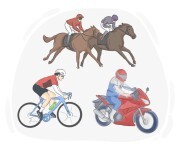
Ex: To reduce environmental impact , many commuters choose to bike to work instead of driving .

为了减少对环境的影响,许多通勤者选择骑自行车上班而不是开车。

to ride [动词]
اجرا کردن

Ex: The friends are riding bikes in the park .

朋友们在公园里自行车。

to motor [动词]
اجرا کردن

驾驶

Ex: The boat motored smoothly across the lake .

用马达平稳地穿过湖面。

to truck [动词]
اجرا کردن

运输

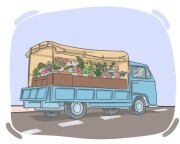
Ex: Farmers truck fresh produce to the local market for distribution .

农民们用卡车将新鲜农产品运到当地市场进行分销。

to run [动词]
اجرا کردن

运行

Ex: The shuttle bus runs from the hotel to the airport every hour .

班车每小时从酒店到机场运行一次。

lift [名词]
اجرا کردن

搭便车

Ex: We caught a lift with our friend to the concert .

我们和朋友搭了个顺风车去音乐会。

to pick up [动词]
اجرا کردن

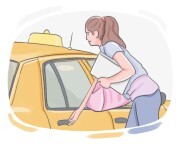
Ex: She stops to pick up strangers stranded in the rain .

她停下来那些在雨中滞留的陌生人。

to drop [动词]
اجرا کردن

放下

Ex: Parents drop their children at the school gate every morning before heading to work .

父母每天早上上班前都会把孩子放在学校门口。

to commute [动词]
اجرا کردن

通勤

Ex: The office is conveniently located near a subway station , allowing employees to commute efficiently .

办公室便利地位于地铁站附近,让员工可以高效通勤

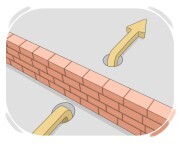
to bypass [动词]
اجرا کردن

绕行

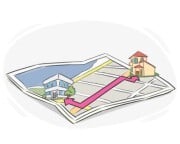
Ex: To save time during rush hour , commuters often bypass the busy intersection by using a less congested side street .

为了在高峰时段节省时间,通勤者经常绕过繁忙的十字路口,选择一条不那么拥挤的小路。

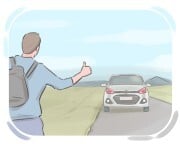
اجرا کردن

搭便车

Ex: In the 1970s , it was common for young travelers to hitchhike across the country , relying on the generosity of strangers for rides .

在1970年代,年轻旅行者在全国范围内搭便车是很常见的,依靠陌生人的慷慨来搭车。

to alight [动词]
اجرا کردن

下车

Ex: She alighted gracefully from the carriage .

她优雅地从马车上下来

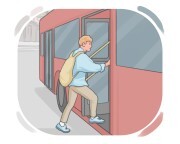
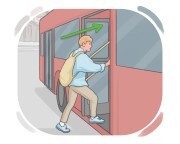
to board [动词]
اجرا کردن

登上

Ex: The conductor announced that it was time to board the train .

列车员宣布是时候登上火车了。

to catch [动词]
اجرا کردن

赶上

Ex: She caught the bus just in time for her morning class .

她刚好及时赶上了早上的课。

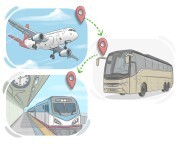
to change [动词]
اجرا کردن

换乘

Ex: Passengers will need to change at the next station .

乘客需要在下一站换乘

to get [动词]
اجرا کردن

乘坐

Ex: I usually get the subway to get to my language class .

我通常地铁去上语言课。

to hail [动词]
اجرا کردن

招呼

Ex: He stepped off the curb and hailed the approaching bus .

他走下路边,招呼了那辆驶近的公交车。

to hop [动词]
اجرا کردن

Ex: The business executive needed to hop a flight to attend an important meeting in another city .

这位商业主管需要搭乘航班去参加另一个城市的重要会议。

to take [动词]
اجرا کردن

乘坐

Ex: She took a taxi to the concert venue .

出租车去了音乐会场地。

اجرا کردن

终止

Ex: Please stay seated until the train terminates at the final destination .

请在列车终止于最终目的地前保持就座。

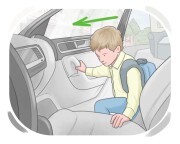
to get in [动词]
اجرا کردن

上车

Ex: They decided to get in the car and head to the beach for the day .

他们决定上车,然后前往海滩度过一天。

to detrain [动词]
اجرا کردن

下火车

Ex: Travelers were instructed to detrain quickly and efficiently to allow for a smooth boarding process at the station .

旅客们被指示快速高效地下车,以便在车站顺利进行登车过程。

to ply [动词]
اجرا کردن

定期沿特定路线行驶

Ex: Fishermen would ply the river each morning , casting their nets in the hopes of a bountiful catch .

渔民们每天早晨都会往返于河流,撒网希望捕获丰富的鱼。

اجرا کردن

运输

Ex: Cargo planes are designed to transport goods efficiently from one continent to another .

货运飞机旨在有效地将货物从一个大陆运输到另一个大陆。

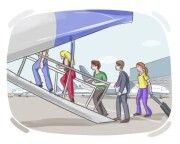
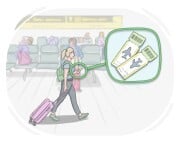
to embark [动词]
اجرا کردن

登机

Ex: Passengers are requested to embark the airplane at Gate 5 for departure .

乘客被要求在5号登机口登机以便起飞。

aboard [副词]
اجرا کردن

在船上/火车上/飞机上

Ex: Everyone was aboard before the plane began taxiing down the runway .

在飞机开始在跑道上滑行之前,所有人都已登机

road trip [名词]
اجرا کردن

公路旅行

Ex: Our road trip to the mountains was filled with beautiful scenery and great music .

我们到山区的公路旅行充满了美丽的风景和很棒的音乐。

round trip [名词]
اجرا کردن

往返

Ex: He was exhausted after the long round trip to the mountains .

在长途往返山区之后,他筋疲力尽了。