pattern

Vocabulario Esencial para el TOEFL - El Cuerpo Humano

Aquí aprenderás algunas palabras en inglés sobre el cuerpo humano, como "hormone", "forehead", "calf", etc. que se necesitan para el examen TOEFL.

Revisión

Tarjetas de memoria

Ortografía

Cuestionario

Empezar a aprender
Essential Words Needed for TOEFL
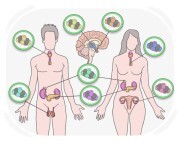
adrenaline
adrenaline
[Sustantivo]

a body hormone produced in case of anger, fear, or excitement that makes the heart beat faster and the body react quicker

adrenalina
adrenalina

Ex: The adrenaline surge during the roller coaster ride left her breathless and exhilarated. 
hormone
hormone
[Sustantivo]

a chemical substance produced in the body of living things influencing growth and affecting the functionality of cells or tissues

hormona

hormona

Ex: Thyroid hormones regulate energy use and body temperature. 

Las hormonas tiroideas regulan el uso de energía y la temperatura corporal.
anatomy
anatomy
[Sustantivo]

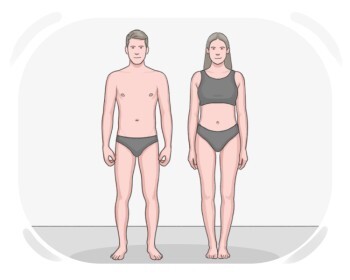
the human body

anatomía

anatomía

Ex: The textbook provided detailed diagrams of anatomy for students to learn from. 

El libro de texto proporcionó diagramas detallados de anatomía para que los estudiantes aprendieran.
appendix
appendix
[Sustantivo]

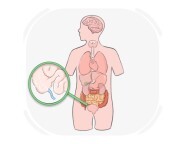
a sack of tissue that is attached to the large intestine and is surgically removed if infected

apéndice

apéndice

Ex: After removal, the appendix typically does not affect normal bodily functions. 

Después de la extracción, el apéndice generalmente no afecta las funciones normales del cuerpo.

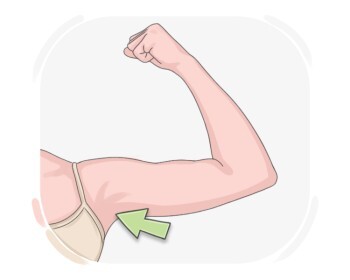
armpit
armpit
[Sustantivo]

the part under the shoulder that is hollow

axila, sobaco

axila, sobaco

Ex: The doctor examined the swollen lymph nodes in the patient's armpit to assess their health. 

El médico examinó los ganglios linfáticos inflamados en la axila del paciente para evaluar su salud.
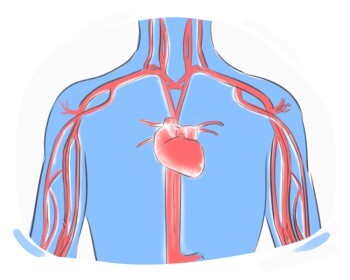
artery
artery
[Sustantivo]

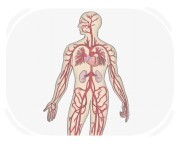
any blood vessel, carrying the blood to different organs of body from the heart

arteria

arteria

Ex: The largest artery in the body is the aorta, which originates from the left ventricle of the heart and distributes blood to the rest of the body. 

La arteria más grande del cuerpo es la aorta, que se origina en el ventrículo izquierdo del corazón y distribuye sangre al resto del cuerpo.
biceps
biceps
[Sustantivo]

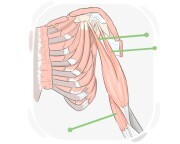
the large muscle at the front of the upper part of the arm, which flexes the forearm

bíceps

bíceps

Ex: Tendons connect the biceps muscle to the bones of the forearm. 

Los tendones conectan el músculo bíceps con los huesos del antebrazo.

breastbone
breastbone
[Sustantivo]

a long flat bone at the center of the chest that connects the ribs and the shoulder girdle

esternón
esternón

calf
calf
[Sustantivo]

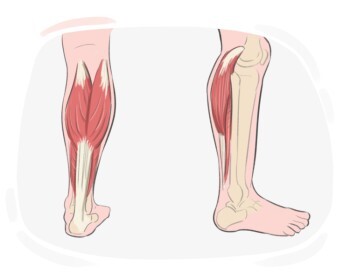
the muscular part at the back of the leg between the knee and the ankle

pantorrilla
pantorrilla

Ex: Stretching exercises can help prevent cramps in the calf muscles after intense physical activity. 

Los ejercicios de estiramiento pueden ayudar a prevenir los calambres en los músculos de la pantorrilla después de una actividad física intensa.

cell
cell
[Sustantivo]

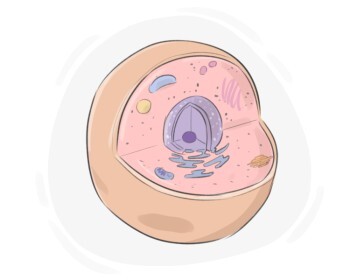
an organism's smallest unit, capable of functioning on its own

célula
célula

Ex: The discovery of cells and the development of cell theory by scientists such as Robert Hooke and Theodor Schwann revolutionized our understanding of living organisms. 

El descubrimiento de las células y el desarrollo de la teoría celular por científicos como Robert Hooke y Theodor Schwann revolucionaron nuestra comprensión de los organismos vivos.

cheekbone
cheekbone
[Sustantivo]

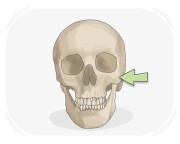
the bone that is just below the eye

pómulo

pómulo

Ex: In some cultures, prominent cheekbones are considered a symbol of beauty and elegance. 

En algunas culturas, los pómulos prominentes se consideran un símbolo de belleza y elegancia.
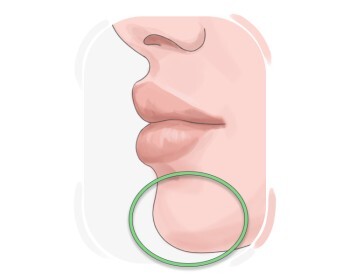
chin
chin
[Sustantivo]

the lowest part of our face that is below our mouth

barbilla

barbilla

Ex: He scratched his chin, trying to recall the answer to the question. 

Se rascó la barbilla, tratando de recordar la respuesta a la pregunta.

circulation
circulation
[Sustantivo]

the flow and movement of blood around and in all parts of the body

circulación

circulación

Ex: Cold weather can slow down circulation and make extremities feel numb. 

El clima frío puede ralentizar la circulación y hacer que las extremidades se sientan entumecidas.

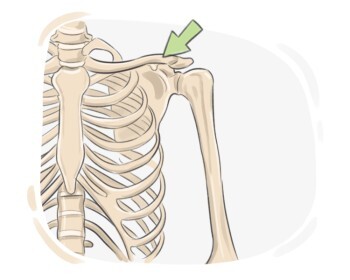
collarbone
collarbone
[Sustantivo]

either of the pair of bones that go across the top of the chest from the base of the neck to the shoulders

clavícula

clavícula

Ex: She wore a strapless dress that elegantly showcased her collarbone and shoulders. 

Llevaba un vestido sin tirantes que mostraba elegantemente su clavícula y hombros.

fist
fist
[Sustantivo]

the hand with the fingers tightly bent toward the palm

puño

puño

Ex: She pounded her fist on the table, demanding to be heard in the heated argument. 

Ella golpeó la mesa con su puño, exigiendo ser escuchada en la acalorada discusión.

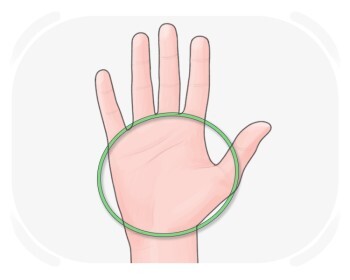
palm
palm
[Sustantivo]

the inner surface of the hand between the wrist and fingers

palma

palma

Ex: He wiped the sweat from his forehead with the palm of his hand. 

Se secó el sudor de la frente con la palma de la mano.

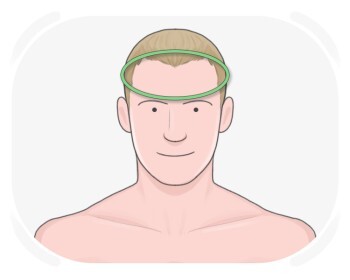
forehead
forehead
[Sustantivo]

the part of the face above the eyebrows and below the hair

frente

frente

Ex: The doctor gently placed his hand on her forehead to check if she had a fever. 

El médico colocó suavemente su mano en su frente para comprobar si tenía fiebre.

genitals
genitals
[Sustantivo]

the external sex organs of the body

aparato genital, aparato reproductor

aparato genital, aparato reproductor

Ex: The biology textbook included detailed diagrams illustrating the male and female genitals. 

El libro de texto de biología incluía diagramas detallados que ilustraban los genitales masculinos y femeninos.
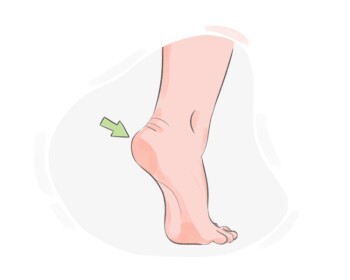
heel
heel
[Sustantivo]

the back part of the foot, below the ankle

talón

talón

Ex: She stepped on a pebble, causing discomfort in her heel. 

Ella pisó una piedra, causando molestia en su talón.

gut
gut
[Sustantivo]

the lower part of digestive tract responsible for food absorption

intestino

intestino

Ex: The gut microbiome plays a vital role in digestion and overall health by breaking down food and absorbing nutrients. 

El microbioma intestinal desempeña un papel vital en la digestión y la salud general al descomponer los alimentos y absorber los nutrientes.
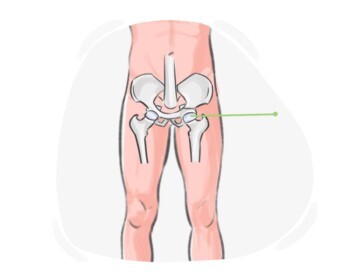
hip
hip
[Sustantivo]

each of the parts above the legs and below the waist at either side of the body

cadera

cadera

Ex: She wore a sash that draped elegantly over her hip. 

Llevaba una banda que caía elegantemente sobre su cadera.

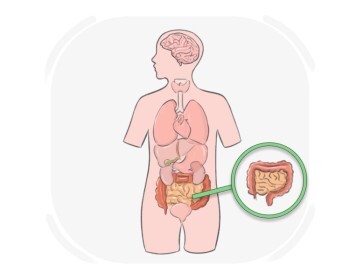
intestine
intestine
[Sustantivo]

a long, continuous tube in the body through which the food coming from the stomach moves and is passed

intestino

intestino

Ex: The surgery involved removing a blockage from the small intestine. 

La cirugía consistió en eliminar una obstrucción del intestino delgado.
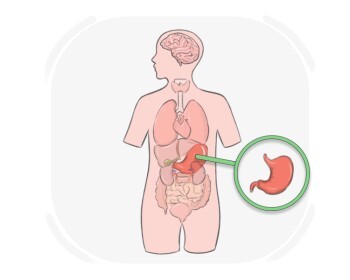
stomach
stomach
[Sustantivo]

the body part inside our body where the food that we eat goes

estómago
estómago

Ex: She drank a glass of warm water to calm her upset stomach. 

Ella bebió un vaso de agua tibia para calmar su estómago revuelto.

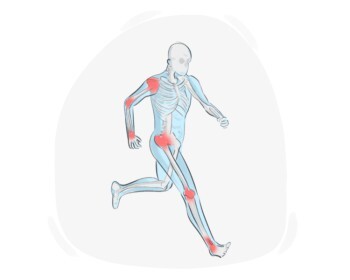
joint
joint
[Sustantivo]

a place in the body where two bones meet, enabling one of them to bend or move around

articulación
articulación

Ex: The elbow joint enables the arm to bend and extend, facilitating various activities such as lifting and reaching. 

La articulación del codo permite que el brazo se doble y extienda, facilitando diversas actividades como levantar y alcanzar.

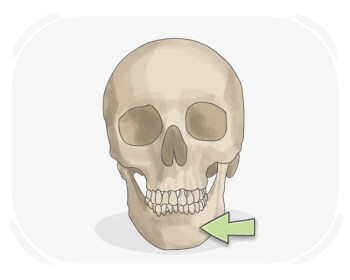
jaw
jaw
[Sustantivo]

the lower bone of the face containing the chin and the bottom teeth

mandíbula

mandíbula

Ex: The boxer suffered a broken jaw after the intense match. 

El boxeador sufrió una mandíbula rota después del intenso partido.

lap
lap
[Sustantivo]

the upper part of the legs that form a flat surface when one is seated

regazo

regazo

Ex: He placed his laptop computer on his lap, typing away on the keyboard with ease. 
limb
limb
[Sustantivo]

an arm or a leg of a person or any four-legged animal, or a wing of any bird

miembro

miembro

Ex: After a day of hiking, her limbs were sore and in need of rest. 

Después de un día de senderismo, sus extremidades estaban adoloridas y necesitaban descanso.

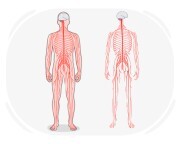
nervous system
nervous system
[Sustantivo]

the network of neurons and fibers that interpret stimuli and transmit impulses from the body to the brain

sistema nervioso
sistema nervioso

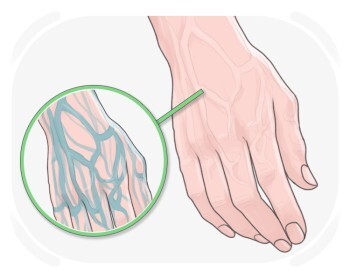
vein
vein
[Sustantivo]

any tube or vessel that carries blood to one's heart

vena

vena

Ex: Veins have thin walls and valves to keep blood moving in the right direction. 

Las venas tienen paredes delgadas y válvulas para mantener la sangre moviéndose en la dirección correcta.

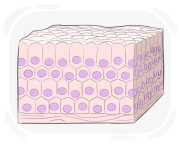
tissue
tissue
[Sustantivo]

a group of cells in the body of living things, forming their different parts

tejido

tejido

Ex: Plant tissue culture techniques are used in agriculture to propagate disease-resistant crops. 

Las técnicas de cultivo de tejido vegetal se utilizan en la agricultura para propagar cultivos resistentes a enfermedades.

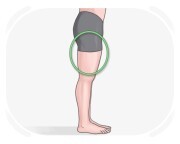
thigh
thigh
[Sustantivo]

the top part of the leg between the hip and the knee

muslo
muslo

Ex: The dancer's graceful movements showcased her strong and toned thighs. 

Los movimientos gráciles de la bailarina mostraban sus muslos fuertes y tonificados.

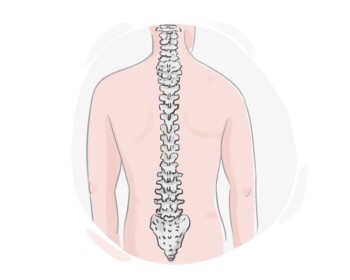
spine
spine
[Sustantivo]

the row of small bones that are joined together down the center of the back of the body

columna vertebral

columna vertebral

Ex: The x-ray revealed a curvature in the spine, indicating a case of scoliosis. 

La radiografía reveló una curvatura en la columna vertebral, lo que indica un caso de escoliosis.

pulse
pulse
[Sustantivo]

the rhythmic beating of the blood vessels created when the heart pumps, especially felt on the wrist or at the sides of the neck

pulso

pulso

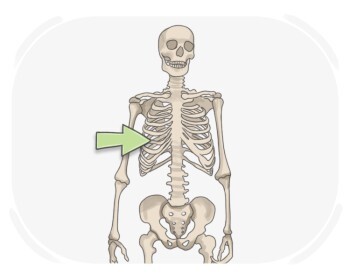
ribcage
ribcage
[Sustantivo]

(anatomy) the bony structure in the chest formed by the ribs which protects organs in the thoracic cavity

caja torácica, caja costal
caja torácica, caja costal

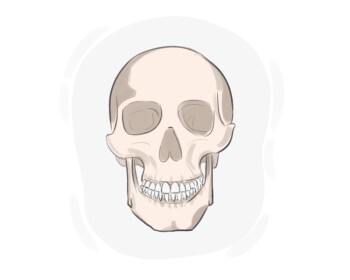
skull
skull
[Sustantivo]

the bony structure that surrounds and provides protection for a person's or animal's brain

cráneo

cráneo

Ex: The human skull has several openings, including the eye sockets and nasal cavity. 

El cráneo humano tiene varias aberturas, incluyendo las cuencas de los ojos y la cavidad nasal.

LanGeek
Descargar la aplicación LanGeek