pattern

Essential Vocabulary for TOEFL - The Human Body

Here you will learn some English words about the human body, such as "hormone", "forehead", "calf", etc. that are needed for the TOEFL exam.

Review

Flashcards

Spelling

Quiz

Start learning
Essential Words Needed for TOEFL
adrenaline

a body hormone produced in case of anger, fear, or excitement that makes the heart beat faster and the body react quicker
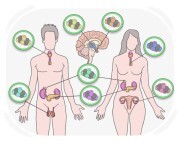
Ex: When faced with danger, the body releases adrenaline, triggering the fight-or-flight response. 
Close
Sign in
hormone
hormone
[noun]

a chemical substance produced in the body of living things influencing growth and affecting the functionality of cells or tissues
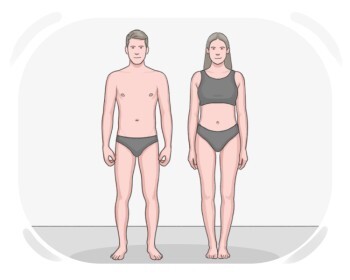
Ex: Insulin, a hormone from the pancreas, controls blood sugar levels. 
Close
Sign in
anatomy
anatomy
[noun]

the human body

Ex: Artists often study anatomy to accurately depict the human form in their work. 
Close
Sign in
appendix
appendix
[noun]

a small, narrow tube attached to the beginning of the large intestine
Ex: Emma was taken to the hospital with severe pain near her appendix. 
Close
Sign in
armpit
armpit
[noun]

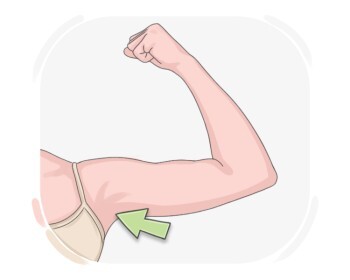
the part under the shoulder that is hollow
Ex: The athlete wiped the sweat from his armpits with a towel after a grueling workout. 
Close
Sign in
artery
artery
[noun]

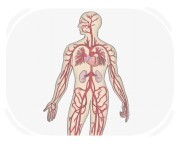
any blood vessel, carrying the blood to different organs of body from the heart
Ex: Atherosclerosis, a condition where plaque builds up inside the arteries, can restrict blood flow and lead to serious health issues like heart attacks and strokes. 
Close
Sign in
biceps
biceps
[noun]

the large muscle at the front of the upper part of the arm, which flexes the forearm

Ex: He flexed his biceps to show off his strength. 
Close
Sign in
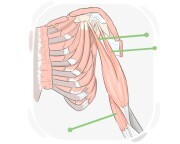
breastbone

a long flat bone at the center of the chest that connects the ribs and the shoulder girdle
Close
Sign in
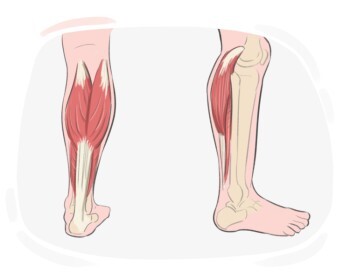
calf
calf
[noun]

the muscular part at the back of the leg between the knee and the ankle
Ex: He strained his calf while running, so he had to take a break from exercising. 
Close
Sign in
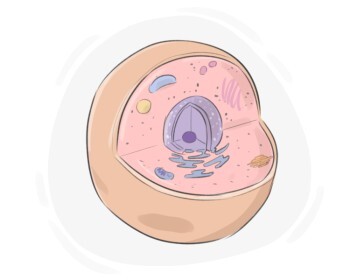
cell
cell
[noun]

an organism's smallest unit, capable of functioning on its own
Ex: The study of cells, known as cell biology or cytology, delves into their structure, function, and interactions. 
Close
Sign in
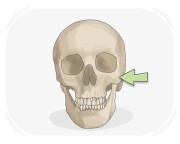
cheekbone
cheekbone
[noun]

the bone that is just below the eye

Ex: The makeup artist applied highlighter to accentuate the model's cheekbones, creating a sculpted look. 
Close
Sign in
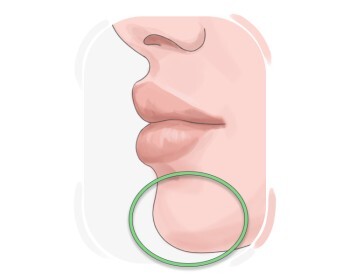
chin
chin
[noun]

the part of the face below the mouth and above the neck
Ex: Daniel rested his chin on his hand. 
Close
Sign in
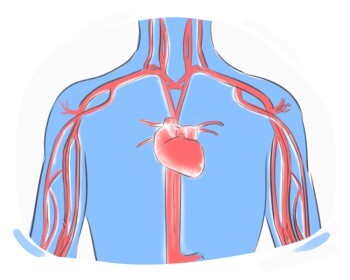
circulation

the continuous movement of blood through the heart and blood vessels around the body
Ex: Regular exercise can help improve circulation. 
Close
Sign in
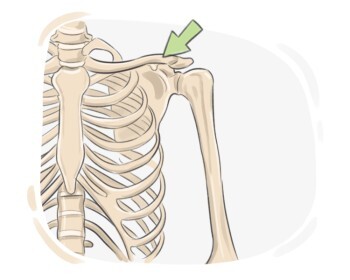
collarbone

either of the pair of bones that go across the top of the chest from the base of the neck to the shoulders
Ex: He fractured his collarbone during the football game and needed to wear a sling for several weeks. 
Close
Sign in
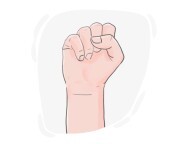
fist
fist
[noun]

a hand closed tightly with the fingers bent into the palm
Ex: Daniel clenched his fist in anger. 
Close
Sign in
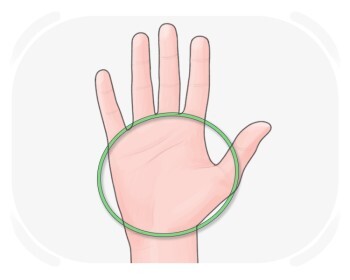
palm
palm
[noun]

the inner surface of the hand between the wrist and the fingers
Ex: She held the coin in the palm of her hand. 
Close
Sign in
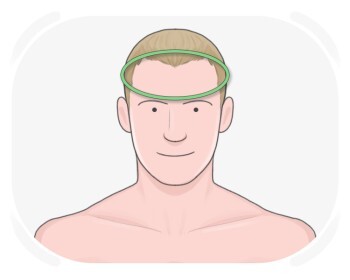
forehead
forehead
[noun]

the flat part of the face above the eyebrows and below the hairline

Ex: She wiped the sweat from her forehead. 
Close
Sign in
genitals
genitals
[noun]

the external sex organs of the body

Ex: The doctor conducted a thorough examination of the patient's genitals during the routine check-up. 
Close
Sign in
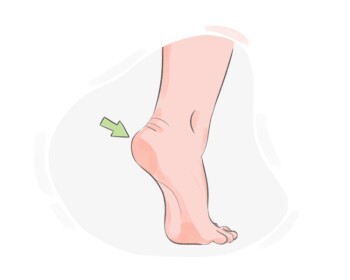
heel
heel
[noun]

the rounded back part of the foot below the ankle
Ex: Daniel had a blister on his heel after the hike. 
Close
Sign in
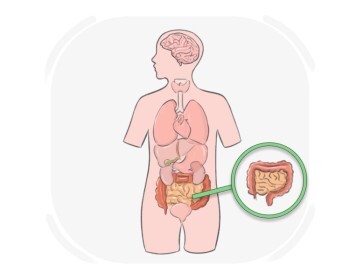
gut
gut
[noun]

the lower part of digestive tract responsible for food absorption
Ex: The surgeon made an incision through the abdomen to access the gut during the intestinal surgery. 
Close
Sign in
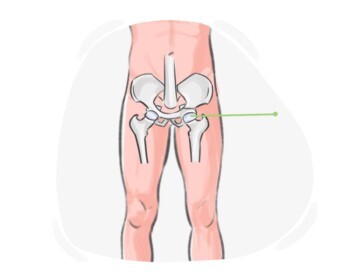
hip
hip
[noun]

either of the two areas at the sides of the body between the waist and the upper legs

Ex: She stood with her hands on her hips. 
Close
Sign in
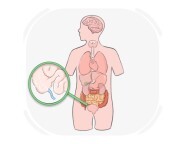
intestine
intestine
[noun]

a long, continuous tube in the body through which the food coming from the stomach moves and is passed
Ex: The doctor explained that the intestine is crucial for nutrient absorption and digestion. 
Close
Sign in
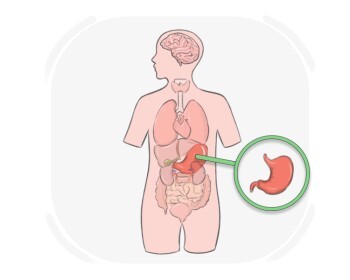
stomach
stomach
[noun]

the body part inside our body where the food that we eat goes
Ex: He felt a sense of relief when the doctor assured him that his stomach issue was temporary. 
Close
Sign in
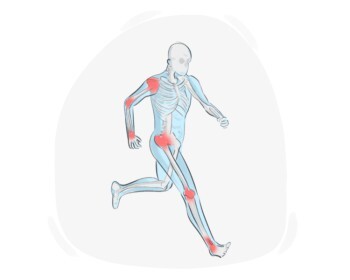
joint
joint
[noun]

a place in the body where two bones meet, enabling one of them to bend or move around
Ex: The knee is a complex joint that allows for bending and straightening of the leg. 
Close
Sign in
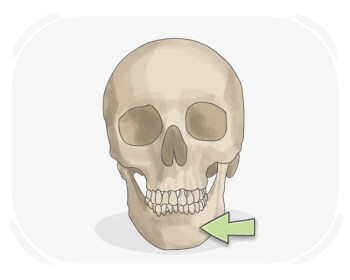
jaw
jaw
[noun]

the lower jawbone or the part of the face covering it

Ex: Daniel broke his jaw in the accident. 
Close
Sign in
lap
lap
[noun]

the flat area formed by the upper legs of a person who is sitting down
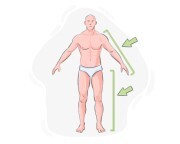
Ex: Emma placed the book on her lap. 
Close
Sign in
limb
limb
[noun]

an arm, leg, wing, flipper, or similar jointed appendage of a person or animal
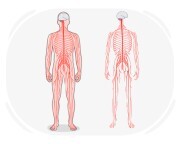
Ex: The accident left Michael with an injured lower limb. 
Close
Sign in
nervous system

the network of neurons and fibers that interpret stimuli and transmit impulses from the body to the brain
Close
Sign in
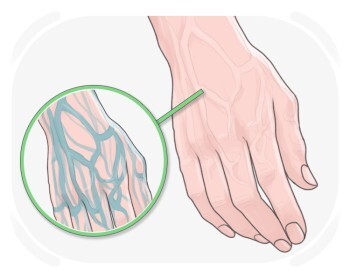
vein
vein
[noun]

a blood vessel that carries blood from the body toward the heart
Ex: The nurse found a vein in Emily's arm before drawing blood. 
Close
Sign in
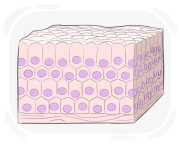
tissue
tissue
[noun]

a group of similar cells that work together to form a particular part of a human, animal, or plant
Ex: Muscle tissue can be damaged by a serious injury. 
Close
Sign in
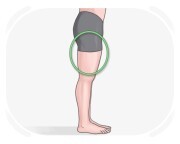
thigh
thigh
[noun]

the upper part of the leg between the hip and the knee
Ex: Emma felt a sharp pain in her left thigh after running. 
Close
Sign in
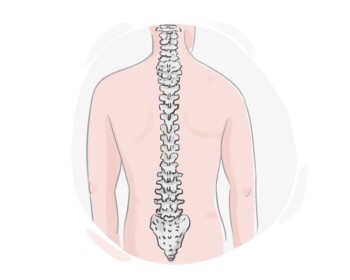
spine
spine
[noun]

the column of connected bones running down the back that supports the body and protects the spinal cord
Ex: Emily injured her spine in a skiing accident. 
Close
Sign in
pulse
pulse
[noun]

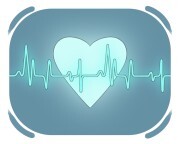
the regular beating of the arteries caused by the pumping action of the heart
Ex: The nurse checked David's pulse at his wrist. 
Close
Sign in
ribcage
ribcage
[noun]

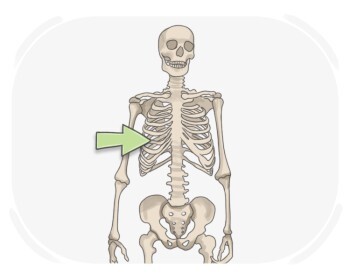
(anatomy) the bony structure in the chest formed by the ribs which protects organs in the thoracic cavity

Close
Sign in
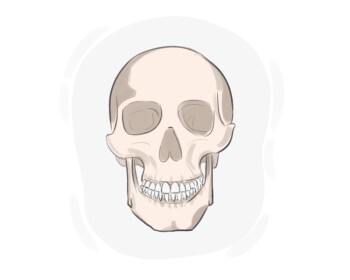
skull
skull
[noun]

the bony structure of the head that surrounds and protects the brain

Ex: The helmet protected his skull during the fall. 
Close
Sign in
LanGeek
Download LanGeek app