
Opinion - Exprimer des Opinions
Plongez dans les idiomes anglais qui concernent l'expression d'opinions, comme 'penser hors des sentiers battus' et 'crois-moi'.
Réviser
Flashcards
Quiz

used to introduce an explanation or a reason for something; often a way of clarifying a situation

le truc, le problème, c'est que
Elle veut aider, mais le truc, c'est qu'elle n'a pas beaucoup de temps.
used before a comment or opinion to indicate that the speaker is sharing it, even though they may not be sure of its value or significance
si ça peut servir, pour ce que ça vaut
Si ça peut servir, moi je ne répondrais pas à ce message ce soir.
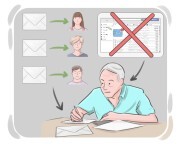
to refuse to change one's opinions, behaviors, habits, etc.
ancré dans ses habitudes, figé dans ses habitudes
Elle est trop ancrée dans ses habitudes pour changer sa façon de gérer le bureau.
to express one's opinions in an honest or fearless way
dire franchement ce qu'on pense, parler sans détour
J'ai enfin dit franchement ce que je pensais en réunion et expliqué que le plan ne marcherait pas.
to adopt a different opinion or point of view, particularly a contradictory one
changer de position, changer d'avis
Au début, elle s'opposait au projet, mais elle a changé de position en voyant le budget.
to have a negative or unfavorable opinion or perception of that person
avoir une mauvaise opinion de quelqu'un, penser du mal de quelqu'un
Je n'ai pas une mauvaise opinion d'elle ; elle subissait beaucoup de pression.
to think that something is normal, easy, unimportant, etc., particularly while others think it to be wrong, strange, difficult, important, etc.
ne rien voir de spécial à quelque chose, trouver ça tout à fait normal
Il ne voit rien de spécial à dépenser la moitié de son salaire dans un seul dîner.
to think in a creative way in order to come up with original solutions
penser autrement, sortir des sentiers battus
Le designer a vraiment pensé autrement et a transformé un petit espace en superbe bureau.
to perceive or regard someone or something with a new perspective, particularly one that is positive
sous un nouveau jour, d'un autre œil
Le documentaire m'a fait voir la ville d'un autre œil.
used to advise someone to trust one's judgment or experience concerning a particular matter
crois-moi, fais-moi confiance
Crois-moi, tu devrais lire le contrat avant de signer quoi que ce soit.
used to tell someone to accept the word or advice of someone else, particularly someone who is older or more experienced
écouter quelqu'un qui sait, faire confiance à son expérience
Tu devrais écouter quelqu'un qui a déjà fait cette erreur.
a belief that is strong, yet without any explainable reason
intuition, pressentiment
Sa première réaction instinctive a été de quitter la pièce immédiatement.
used before advising someone or giving them a warning
un conseil, petit avertissement
Un conseil : pars tôt si tu veux avoir une place assise dans le train.
(of a feeling, problem, or belief) to be really strong or troublesome due to having existed for a long time
être profondément ancré, être enraciné depuis longtemps
Son amour pour la musique est profondément ancré ; elle chante depuis l'enfance.
saying what is in one's mind in a very forceful yet honest manner
franchement et sans détour, sans mâcher ses mots
J'ai besoin d'un conseil franc et sans détour, pas d'excuses polies.
used when one is about to say something that is only based on information they have
à ma connaissance, pour autant que je sache
À ma connaissance, personne ne s'est encore plaint du nouveau système.
to continuously talk about something, in a way that seems foolish or careless
parler sans réfléchir, dire n'importe quoi
Ne parle pas sans réfléchir de l'accord tant qu'il n'est pas signé.
in a state in which one is disliked by someone
être mal vu de quelqu'un, ne pas être dans les bonnes grâces de quelqu'un
Après avoir manqué deux délais, il était mal vu du manager.
in a state in which someone is very pleased with one
être bien vu de quelqu'un, être dans les petits papiers de quelqu'un
Après avoir corrigé l'erreur rapidement, elle était de nouveau bien vue de son patron.
to change one's opinion, attitude, or way of speaking, usually to something very different from before
changer de discours, retourner sa veste
Elle disait que le travail était facile, puis elle a changé de discours après sa première semaine.
to have an understanding of how one is viewed or valued by another person
savoir ce que quelqu'un pense de soi, savoir à quoi s'en tenir avec quelqu'un
J'aimerais que le manager me dise comment on me voit dans l'entreprise.
to have a very negative opinion about someone or something and to be unable to say anything positive or complimentary about them
n'en dire aucun bien, ne faire que critiquer
Elle n'a dit aucun bien de l'hôtel.
to refrain from speaking or expressing one's thoughts or opinions
tenir sa langue, se taire
Elle a tenu sa langue pendant la réunion, même si elle n'était pas d'accord.
