pattern

Le livre Insight - Intermédiaire - Unité 5 - 5D

Ici, vous trouverez le vocabulaire de l'Unité 5 - 5D du manuel Insight Intermediate, tel que « obligatoire », « dissuader », « restrictif », etc.

Réviser

Flashcards

formes

Orthographe

Quiz

Commencer à apprendre
Insight - Intermediate
law
law
[nom]

a country's rules that all of its citizens are required to obey

loi, législation

loi, législation

Ex: The police officer explained the traffic laws to the new driver. 

L'officier de police a expliqué les lois de la circulation au nouveau conducteur.

prohibited
prohibited
[Adjectif]

not allowed or forbidden by law or rule

interdit, prohibé

interdit, prohibé

Ex: He was caught with prohibited items at the airport. 

Il a été pris avec des objets interdits à l'aéroport.
fair
fair
[Adjectif]

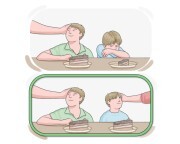
treating everyone equally and in a right or acceptable way

juste

juste

Ex: The interviewer asks each candidate the same questions, proving he is a fair person. 

L'intervieweur pose les mêmes questions à chaque candidat, prouvant qu'il est une personne juste.

optional
optional
[Adjectif]

available or possible to choose but not required or forced

optionnel

optionnel

Ex: Attendance at the seminar is optional; students can attend if they are interested in the topic. 

La présence au séminaire est facultative ; les étudiants peuvent y assister s'ils sont intéressés par le sujet.

legal
legal
[Adjectif]

authorized according to the law and official regulations

légal

légal

Ex: The contract was deemed legal as it complied with all terms and conditions outlined in the official rules set forth by the regulatory authority. 

Le contrat a été jugé légal car il respectait toutes les conditions énoncées dans les règles officielles établies par l'autorité de régulation.

obligatory
obligatory
[Adjectif]

necessary as a result of a rule or law

obligatoire

obligatoire

Ex: It is obligatory for all citizens to pay their taxes by the specified deadline. 

Il est obligatoire pour tous les citoyens de payer leurs impôts avant la date limite spécifiée.

restrictive
restrictive
[Adjectif]

imposing limitations or boundaries that can hinder freedom or action

restrictif, limitatif

restrictif, limitatif

Ex: Her doctor put her on a restrictive diet to manage her health condition. 

Son médecin l'a mise sous un régime restrictif pour gérer son état de santé.

to limit
to limit
[verbe]

to not let something increase in amount or number

limiter, réduire, restreindre

limiter, réduire, restreindre

Ex: She tried to limit her sugar intake to stay healthy. 

Elle a essayé de limiter sa consommation de sucre pour rester en bonne santé.

compulsory
compulsory
[Adjectif]

forced to be done by law or authority

obligatoire

obligatoire

Ex: Wearing a uniform is compulsory at the private school. 

Porter un uniforme est obligatoire dans l'école privée.

just
just
[Adjectif]

acting in a way that is fair, righteous, and morally correct

juste, impartial

juste, impartial

Ex: The court's decision was just and balanced. 

La décision du tribunal était juste et équilibrée.

illegal
illegal
[Adjectif]

forbidden by the law

illégal

illégal

Ex: It's illegal to drive a car without a valid driver's license. 

Il est illégal de conduire une voiture sans un permis de conduire valide.

voluntary
voluntary
[Adjectif]

working without pay

volontaire

volontaire

Ex: The voluntary nature of the service meant that no one was paid for their time. 

La nature bénévole du service signifiait que personne n'était payé pour son temps.

to allow
to allow
[verbe]

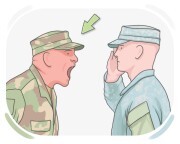
to let someone or something do a particular thing

permettre
permettre

Ex: The new policy allows employees to work remotely. 

La nouvelle politique permet aux employés de travailler à distance.

order
order
[nom]

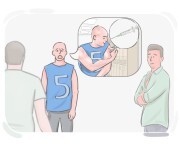
a command or instruction given by someone in a position of authority

ordre, commandement
ordre, commandement

Ex: The chef received an order for three pizzas and two salads. 

Le chef a reçu une commande pour trois pizzas et deux salades.

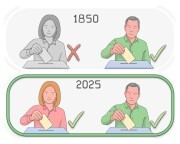
to admit
to admit
[verbe]

to agree with the truth of something, particularly in an unwilling manner

admettre, avouer
admettre, avouer

Ex: The manager admits that there are challenges in the current project. 

Le manager admet qu'il y a des défis dans le projet actuel.

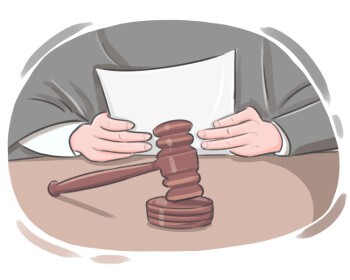
right
right
[nom]

a thing that someone is legally, officially, or morally allowed to do or have

légitime
légitime

Ex: The right to vote is fundamental in a democratic society. 

Le droit de vote est fondamental dans une société démocratique.

to sentence

to officially state the punishment of someone found guilty in a court of law

condamner

condamner

Ex: The court will sentence the individual convicted of fraud next week. 

Le tribunal condamnera l'individu reconnu coupable de fraude la semaine prochaine.

to approve
to approve
[verbe]

to officially agree to a plan, proposal, etc.

approuver
approuver

Ex: After reviewing the proposal, the committee unanimously decided to approve the project for implementation. 

Après avoir examiné la proposition, le comité a décidé à l'unanimité d'approuver le projet pour sa mise en œuvre.

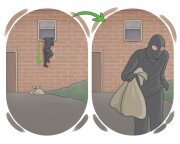
to rob
to rob
[verbe]

to take something from an organization, place, etc. without their consent, or with force

voler, dérober

voler, dérober

Ex: Criminals often rob banks to steal money and valuable assets. 

Les criminels volent souvent les banques pour voler de l'argent et des biens précieux.

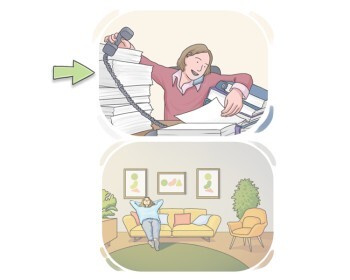
to [take] account of {sth}

to consider all the known facts and details before making a final decision

tenir compte de
tenir compte de

Ex: It is important to take account of different perspectives in a discussion. 
responsible
responsible
[Adjectif]

(of a person) having an obligation to do something or to take care of someone or something as part of one's job or role

responsable

responsable

Ex: Parents are responsible for teaching their children values and life skills. 

Les parents sont responsables de l'enseignement des valeurs et des compétences de vie à leurs enfants.

to blame
to blame
[verbe]

to say or feel that someone or something is responsible for a mistake or problem

accuser
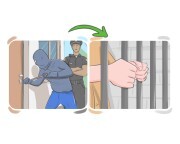
accuser

Ex: The parents were quick to blame the school when their child's grades dropped, overlooking the child's lack of effort. 

Les parents ont rapidement blâmé l'école lorsque les notes de leur enfant ont baissé, négligeant le manque d'effort de l'enfant.

to punish
to punish
[verbe]

to cause someone suffering for breaking the law or having done something they should not have

punir

punir

Ex: Parents may choose to punish their children by restricting privileges when rules are violated. 

Les parents peuvent choisir de punir leurs enfants en restreignant leurs privilèges lorsque les règles sont violées.

to deter
to deter
[verbe]

to stop something from happening

prévenir

prévenir

Ex: The high cost of fines is expected to deter speeding on the highway. 

Le coût élevé des amendes devrait dissuader les excès de vitesse sur l'autoroute.
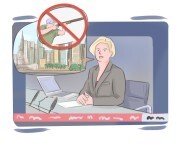
to prohibit

to formally forbid something from being done, particularly by law

interdire, prohiber

interdire, prohiber

Ex: The park has signs that prohibit littering to maintain cleanliness and environmental conservation. 

Le parc a des panneaux qui interdisent de jeter des déchets pour maintenir la propreté et la conservation de l'environnement.

to release
to release
[verbe]

to let someone leave a place in which they have been confined or stuck

libérer, relâcher

libérer, relâcher

Ex: The police decided to release the suspect after questioning. 

La police a décidé de libérer le suspect après l'interrogatoire.

lottery
lottery
[nom]

a game of chance where tickets with numbers or symbols are purchased, and a random selection of numbers or symbols determines the winners

loterie

loterie

Ex: The lottery draw will take place on Saturday night. 

Le tirage de la loterie aura lieu samedi soir.

LanGeek
Télécharger l'application LanGeek