책 Insight - 중급 - 유닛 5 - 5D

여기에서 Insight Intermediate 교과서의 5단원 - 5D의 어휘를 찾을 수 있습니다. 예를 들어 "의무적인", "억제하다", "제한적인" 등입니다.

review-disable

리뷰

flashcard-disable

플래시카드

spelling-disable

철자법

quiz-disable

퀴즈

학습 시작
책 Insight - 중급
law [명사]
اجرا کردن

법률

Ex: They studied constitutional law in law school .

그들은 법대에서 헌법 을 공부했습니다.

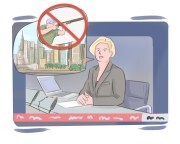
prohibited [형용사]
اجرا کردن

금지된

Ex:

회사는 금지된 행동에 대해 엄격한 규칙을 시행합니다.

fair [형용사]
اجرا کردن

공정한

Ex: The policy was designed to be fair to all employees , regardless of their position .

이 정책은 직위에 관계없이 모든 직원에게 공정하도록 설계되었습니다.

optional [형용사]
اجرا کردن

선택적인

Ex: The elective course in photography is optional for students majoring in business administration .

사진학의 선택 과목은 경영학을 전공하는 학생들에게 선택적입니다.

legal [형용사]
اجرا کردن

합법적인

Ex: The contract was deemed legal as it complied with all terms and conditions outlined in the official rules set forth by the regulatory authority .

규제 기관에 의해 제정된 공식 규칙에 명시된 모든 조건을 준수했기 때문에 계약은 합법적으로 간주되었습니다.

obligatory [형용사]
اجرا کردن

의무적인

Ex: Attending the weekly team meetings is obligatory for all members .

주간 팀 회의에 참석하는 것은 모든 구성원에게 의무입니다.

restrictive [형용사]
اجرا کردن

제한적인

Ex: The restrictive policies of the government limited citizens ' civil liberties .

정부의 제한적인 정책은 시민의 시민 자유를 제한했다.

to limit [동사]
اجرا کردن

제한하다

Ex: The government imposed new regulations to limit pollution levels in the city .
compulsory [형용사]
اجرا کردن

의무적인

Ex: In many countries , military service is compulsory for young adults .

많은 국가에서 청년들에게 병역은 의무적입니다.

just [형용사]
اجرا کردن

공정한

Ex:

사회는 정의로운 법을 만들기 위해 노력해야 합니다.

illegal [형용사]
اجرا کردن

불법의

Ex: Crossing the border without proper documentation is considered illegal immigration .

적절한 서류 없이 국경을 넘는 것은 불법 이민으로 간주됩니다.

voluntary [형용사]
اجرا کردن

자발적인

Ex: She gained valuable experience through voluntary internships at various non-profits .

그녀는 다양한 비영리 단체에서의 자원봉사 인턴십을 통해 귀중한 경험을 얻었습니다.

to allow [동사]
اجرا کردن

허락하다

Ex: The school policy does not allow students to use their phones during class .

학교 정책은 수업 중에 학생들이 휴대폰을 사용하는 것을 허용하지 않습니다.
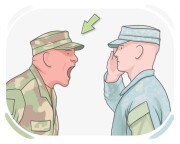
order [명사]
اجرا کردن

명령

Ex: The judge issued an order for the immediate release of the prisoner .
to admit [동사]
اجرا کردن

인정하다

Ex: He often admits when he does n't know the answer .

그는 답을 모를 때 종종 인정한다.

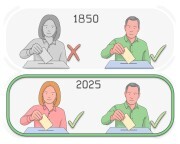
right [명사]
اجرا کردن

권리

Ex: She fought for her right to receive equal pay for equal work .
to sentence [동사]
اجرا کردن

판결을 내리다

Ex: The judge carefully considered the evidence before deciding how to sentence the defendant .

판사는 피고인을 어떻게 판결할지 결정하기 전에 증거를 신중하게 고려했다.

to approve [동사]
اجرا کردن

승인하다

Ex: The teacher was quick to approve the students ' request for an extension on the assignment deadline .

선생님은 과제 마감일 연장에 대한 학생들의 요청을 빠르게 승인했습니다.
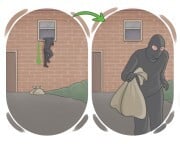
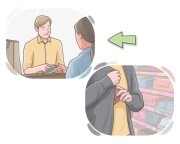
to rob [동사]
اجرا کردن

강탈하다

Ex: The security guard prevented a thief from robbing the jewelry store .

경비원이 도둑이 보석 가게를 강도질하는 것을 막았습니다.

اجرا کردن

to consider all the known facts and details before making a final decision

Ex: When planning the event , they need to take account of the weather forecast .
responsible [형용사]
اجرا کردن

책임이 있는

Ex: The company is responsible for maintaining safety standards in the workplace .

회사는 작업장의 안전 기준을 유지할 책임이 있습니다.

to blame [동사]
اجرا کردن

비난하다

Ex: The investigation revealed no evidence to blame the company for the unexpected equipment failure .

조사는 예기치 않은 장비 고장에 대해 회사를 비난할 증거를 발견하지 못했습니다.
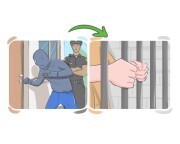
to punish [동사]
اجرا کردن

처벌하다

Ex: Company policies typically outline consequences to punish employees for unethical behavior in the workplace .

회사 정책은 일반적으로 직장에서 비윤리적인 행동에 대해 직원을 처벌하기 위한 결과를 설명합니다.

to deter [동사]
اجرا کردن

저지하다

Ex: The teacher 's strict rules are meant to deter cheating during exams .

선생님의 엄격한 규칙은 시험 중 부정행위를 억제하기 위한 것입니다.
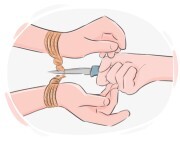
to prohibit [동사]
اجرا کردن

금지하다

Ex:

많은 공공장소에는 금연 환경을 보장하기 위해 흡연을 금지하는 표지판이 있습니다.

to release [동사]
اجرا کردن

해방하다

Ex: They released the bird from the cage , and it flew away happily .

그들은 새를 우리에서 풀어주었고, 새는 행복하게 날아갔습니다.

lottery [명사]
اجرا کردن

복권

Ex: Winning the lottery allowed him to pay off his debts and travel the world .

복권에 당첨되어 그는 빚을 갚고 세계를 여행할 수 있었다.