
Liste de Mots Niveau B1 - Environnement et Énergie
Ici, vous apprendrez quelques mots anglais sur l'environnement et l'énergie, tels que "planète", "habitat", "ressource", etc. préparés pour les apprenants de niveau B1.
Réviser
Flashcards
Orthographe
Quiz

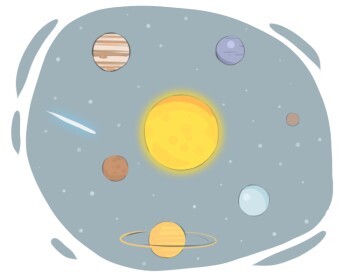
a large, nearly round object in space that moves in an orbit around a star

planète
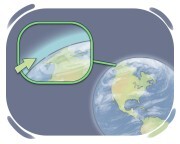
the layer of gases surrounding a planet, held in place by gravity
atmosphère
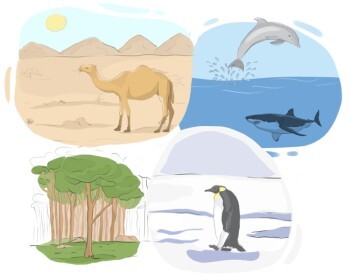
the natural environment in which a particular animal, plant, or other organism normally lives or grows
habitat
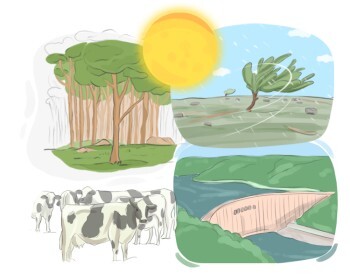
(usually plural) a country's gas, oil, trees, etc. that are considered valuable and therefore can be sold to gain wealth
ressource
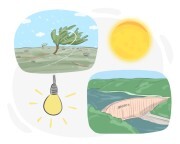
the energy that is obtained through different means, such as electrical or solar, to operate different equipment or machines
énergie
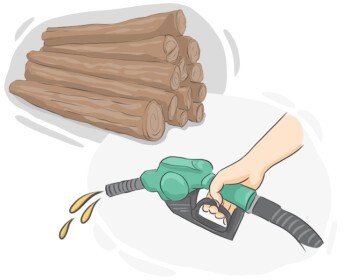
any substance that can produce energy or heat when burned
combustible
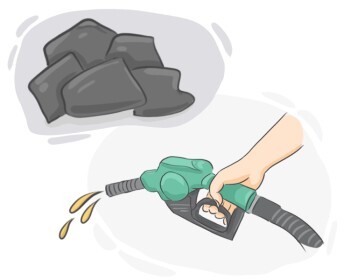
a fuel that is found in nature and obtained from the remains of plants and animals that died millions of years ago, such as coal and gas
combustible fossile
Le charbon est l'un des combustibles fossiles les plus utilisés.
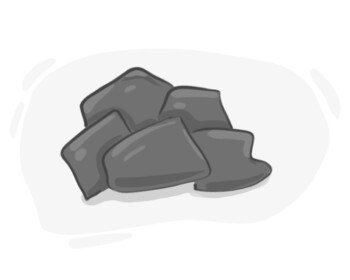
a type of fossil fuel, which is black and found in the ground, typically used as a source of energy
charbon
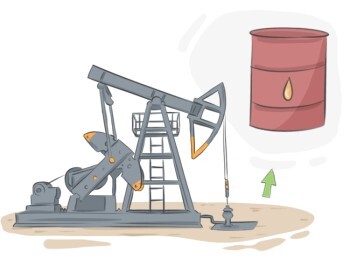
a liquid found deep under the ground that is used as a fuel
pétrole
a source of power that can be used to produce heat, light, or to operate different machines
énergie
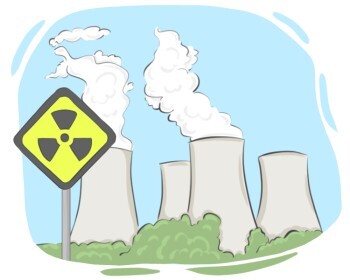
a clean and powerful energy that is obtained by splitting atoms, which then can be used to produce heat, electricity, etc.
énergie atomique
Les scientifiques étudient l'énergie atomique pour développer des réacteurs plus sûrs.
the amount of carbon dioxide that an organization or person releases into the atmosphere
empreinte carbone
Conduire des voitures électriques peut aider à réduire votre empreinte carbone.
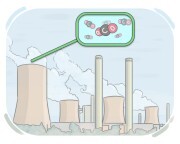
a type of gas with no color and smell that is produced by burning carbon or during breathing out
dioxyde de carbone
Le dioxyde de carbone est l'un des principaux contributeurs au réchauffement climatique.
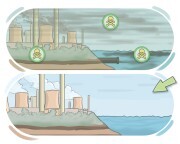
not causing or spreading pollution or contamination, especially radioactive contamination
pur, propre
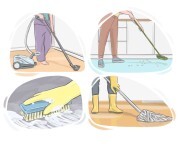
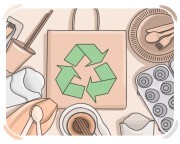
referring to products, actions, or practices that are designed to cause minimal harm to the environment
respectueux de l’environnement, écologique
Elle préfère les produits de nettoyage écologiques qui ne contiennent pas de produits chimiques nocifs.
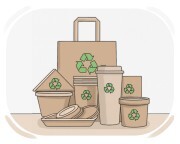
(of a substance or product) causing no harm to the environment
vert
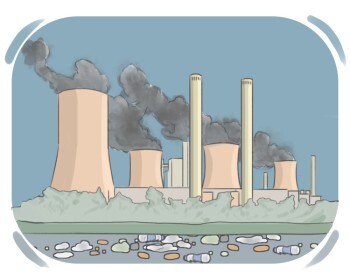
to damage the environment by releasing harmful chemicals or substances to the air, water, or land
polluer
Déverser des eaux usées non traitées dans les rivières peut polluer l'eau et nuire à la vie aquatique.
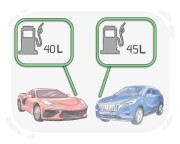
to use up a resource such as fuel, energy, time, or materials
consommer
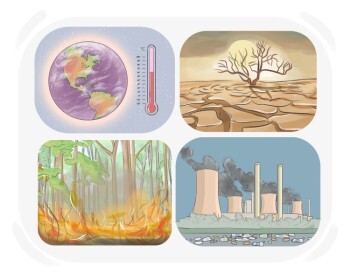
an urgent situation in which proper action must be taken to remove the threats done to the environment
crise climatique
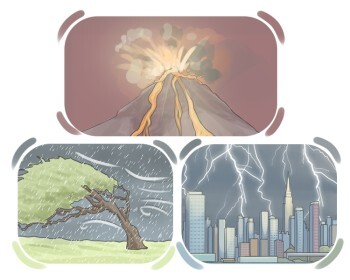
any destruction caused by the nature that results in a great amount of damage or the death of many, such as an earthquake, flood, etc.
catastrophe naturelle
Une catastrophe naturelle comme un tremblement de terre peut changer des vies en quelques secondes.
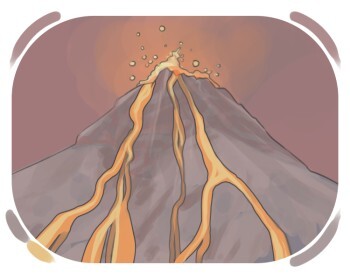
the sudden release of lava, gases, and ash from a volcano
éruption volcanique
Une éruption volcanique massive a dévasté les villages voisins.
things such as household materials that have no use anymore
ordures, déchets
La rue était pleine de déchets après le festival.
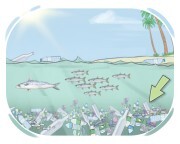
materials that have no use and are unwanted
déchets
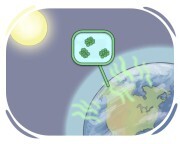
any type of gas, particularly carbon dioxide, that contributes to global warming by trapping heat
gaz à effet de serre
Le méthane est un gaz à effet de serre puissant émis par le bétail.
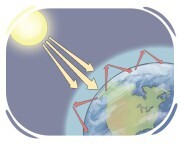
a global problem that is caused by the increase of harmful gases such as carbon dioxide which results in gradual warming of the earth
effet de serre
L'effet de serre est un phénomène naturel vital pour maintenir la vie sur Terre, mais l'effet de serre accru causé par les activités humaines a accéléré le changement climatique et ses impacts associés.
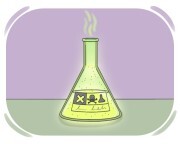
poisonous or capable of causing illness, injury, or death through chemical action
toxique
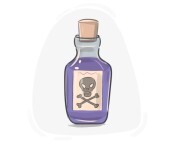
consisting of toxic substances that can cause harm or death
venimeux
La piqûre d'un scorpion peut être toxique, alors consultez un médecin si vous avez la malchance d'en recevoir une.
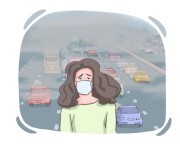
toxic and harmful substances in the air that can cause illnesses
pollution de l'air, pollution atmosphérique
Les embouteillages étaient un contributeur majeur à l'augmentation des niveaux de pollution de l'air dans la ville.
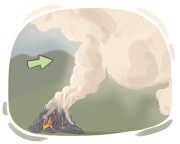
a cloud of chemicals produced by burning something
fumée
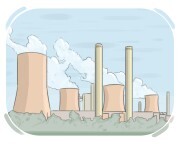
a large building in which electricity is made
centrale électrique
L'ancienne centrale électrique au charbon était mise hors service en raison des préoccupations concernant la pollution de l'air.
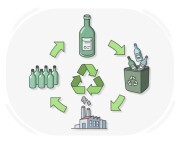
to make a waste product usable again
recycler
De nombreuses communautés encouragent les résidents à recycler les bouteilles en plastique pour réduire la pollution environnementale.
the process of making waste products usable again
recyclage
Il enseigne aux enfants les avantages du recyclage.
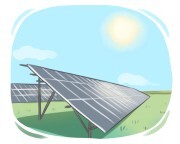
(of a resource, energy, etc.) naturally restored as fast as or faster than they are used up
renouvelable
L'énergie éolienne est générée en exploitant l'énergie renouvelable provenant du mouvement du vent.
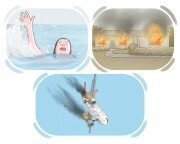
an unexpected and usually dangerous situation needing immediate attention or action
urgence
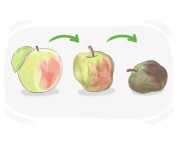
to become destroyed, often due to the action of bacteria or fungi over time
pourrir, se décomposer
Le bois humide est en train de pourrir dans le hangar négligé.
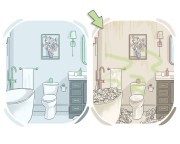
any substance that is dirty, disgusting, or unpleasant
saleté, crasse
Malgré les efforts pour maintenir la propreté, la ruelle était un terrain propice à la saleté, attirant les nuisibles et émettant des odeurs nauséabondes.
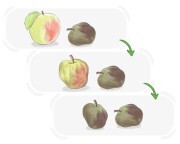
to cause a particular thing to decay or decompose
pourrir, décomposer
Négliger de réfrigérer les restes rapidement peut pourrir la nourriture.
