pattern

Listă de Cuvinte Nivel B1 - Mediul și Energia

Aici vei învăța câteva cuvinte în engleză despre mediu și energie, cum ar fi "planetă", "habitat", "resursă" etc. pregătite pentru cursanții de nivel B1.

Revizuire

Fișe de studiu

Ortografie

Chestionar

Începe să înveți
CEFR B1 Vocabulary
planet
planet
[substantiv]

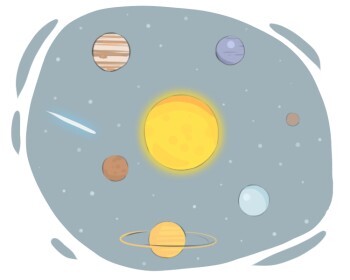
a large, nearly round object in space that moves in an orbit around a star

planetă,  corp ceresc
planetă, corp ceresc

Ex: Earth is the third planet from the Sun. 
Închide
Conectare
atmosphere
atmosphere
[substantiv]

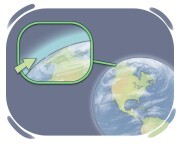
the layer of gases surrounding a planet, held in place by gravity

atmosferă, strat gazos
atmosferă, strat gazos

Ex: Scientists study Mars' thin atmosphere to understand its climate. 
Închide
Conectare
habitat
habitat
[substantiv]

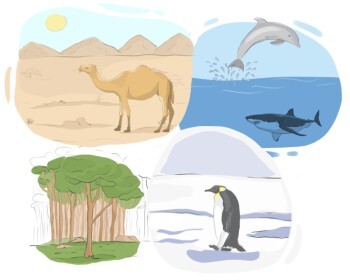
the natural environment in which a particular animal, plant, or other organism normally lives or grows

habitat,  mediu natural
habitat, mediu natural

Ex: The wetland provides an important habitat for migrating birds. 
Închide
Conectare
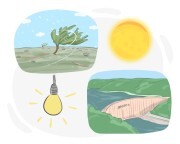
resource
resource
[substantiv]

(usually plural) a country's gas, oil, trees, etc. that are considered valuable and therefore can be sold to gain wealth

resursă, bogăție naturală
resursă, bogăție naturală

Ex: The government implemented policies to regulate the extraction of natural resources. 
Închide
Conectare
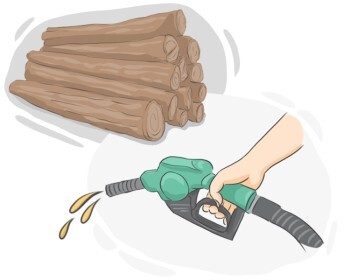
power
power
[substantiv]

the energy that is obtained through different means, such as electrical or solar, to operate different equipment or machines

energie, putere
energie, putere

Ex: Engineers are developing new ways to generate power from renewable sources. 
Închide
Conectare
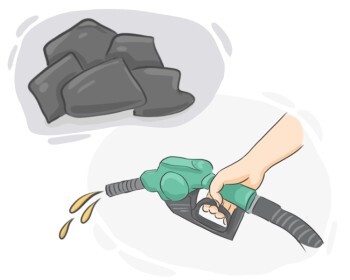
fuel
fuel
[substantiv]

any substance that can produce energy or heat when burned

combustibil, carburant
combustibil, carburant

Ex: The car ran out of fuel on the highway. 
Închide
Conectare
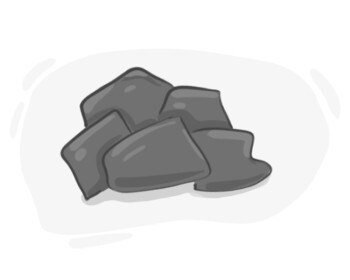
fossil fuel
fossil fuel
[substantiv]

a fuel that is found in nature and obtained from the remains of plants and animals that died millions of years ago, such as coal and gas

combustibil fosil, energie fosilă

combustibil fosil, energie fosilă

Ex: Burning fossil fuels releases carbon dioxide into the atmosphere. 

Arderea combustibililor fosili eliberează dioxid de carbon în atmosferă.
Închide
Conectare
coal
coal
[substantiv]

a type of fossil fuel, which is black and found in the ground, typically used as a source of energy

cărbune, cărbune de piatră
cărbune, cărbune de piatră

Ex: Coal has been a crucial source of energy for centuries, playing a significant role in powering industries and generating electricity worldwide. 
Închide
Conectare
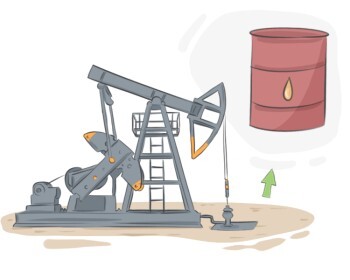
oil
oil
[substantiv]

a liquid found deep under the ground that is used as a fuel

petrol, ulei
petrol, ulei

Ex: Cars run on petrol made from oil. 
Închide
Conectare
energy
energy
[substantiv]

a source of power that can be used to produce heat, light, or to operate different machines

energie, putere
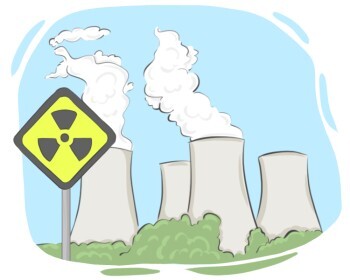
energie, putere

Ex: The factory uses electricity as its main source of energy. 
Închide
Conectare
atomic energy
atomic energy
[substantiv]

a clean and powerful energy that is obtained by splitting atoms, which then can be used to produce heat, electricity, etc.

energie atomică, energie nucleară

energie atomică, energie nucleară

Ex: The power plant produces electricity using atomic energy. 

Centrala electrică produce electricitate folosind energie atomică.
Închide
Conectare
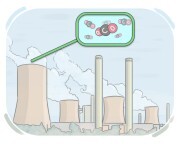
carbon footprint
carbon footprint
[substantiv]

the amount of carbon dioxide that an organization or person releases into the atmosphere

amprenta de carbon, emisii de dioxid de carbon

amprenta de carbon, emisii de dioxid de carbon

Ex: Flying frequently increases your carbon footprint significantly. 

Zborul frecvent îți mărește semnificativ amprenta de carbon.
Închide
Conectare
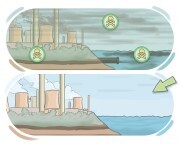
carbon dioxide
carbon dioxide
[substantiv]

a type of gas with no color and smell that is produced by burning carbon or during breathing out

dioxid de carbon, gaz carbonic

dioxid de carbon, gaz carbonic

Ex: Breathing out releases carbon dioxide into the air. 

Expirația eliberează dioxid de carbon în aer.
Închide
Conectare
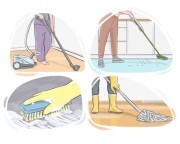
clean
clean
[adjectiv]

not causing or spreading pollution or contamination, especially radioactive contamination

curat, necontaminant
curat, necontaminant

Ex: They aim to develop clean energy sources that produce no waste. 
Închide
Conectare
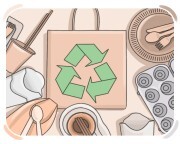
cleanup
cleanup
[substantiv]

the act of removing harmful or dirty substances from somewhere

curățenie, decontaminare
curățenie, decontaminare

Închide
Conectare
eco-friendly
eco-friendly
[adjectiv]

referring to products, actions, or practices that are designed to cause minimal harm to the environment

prietenos cu mediul, ecologic

prietenos cu mediul, ecologic

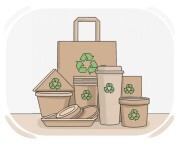
Ex: The company switched to eco-friendly packaging made from recycled materials. 

Compania a trecut la ambalaje ecologice realizate din materiale reciclate.
Închide
Conectare
green
green
[adjectiv]

(of a substance or product) causing no harm to the environment

verde,  ecologic
verde, ecologic

Ex: They switched to green cleaning products to ensure a safer home environment. 
Închide
Conectare
to pollute

to damage the environment by releasing harmful chemicals or substances to the air, water, or land

polua, contamina

polua, contamina

Ex: Dumping untreated sewage into rivers can pollute the water and harm aquatic life. 

Eliminarea apelor uzate netratate în râuri poate polua apa și dăuna vieții acvatice.
Închide
Conectare
to consume

to use up a resource such as fuel, energy, time, or materials

consuma,  utiliza
consuma, utiliza

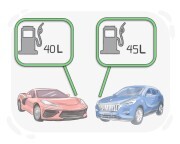
Ex: This appliance consumes very little electricity. 
Închide
Conectare
climate crisis
climate crisis
[substantiv]

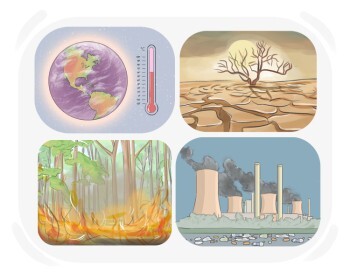
an urgent situation in which proper action must be taken to remove the threats done to the environment

criza climatică
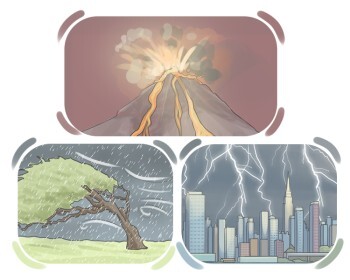
criza climatică

Închide
Conectare
natural disaster
natural disaster
[substantiv]

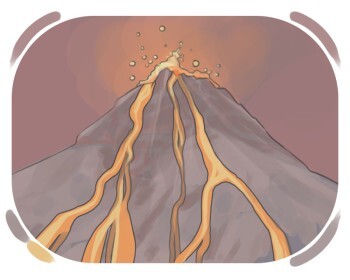
any destruction caused by the nature that results in a great amount of damage or the death of many, such as an earthquake, flood, etc.

dezastru natural, catastrofă naturală

dezastru natural, catastrofă naturală

Ex: The city was devastated by a natural disaster, leaving many homeless. 

Orașul a fost devastat de un dezastru natural, lăsând mulți oameni fără adăpost.
Închide
Conectare
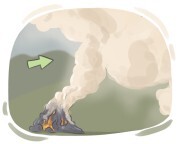
volcanic eruption
volcanic eruption
[substantiv]

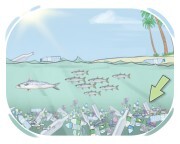
the sudden release of lava, gases, and ash from a volcano

erupție vulcanică, erupție de vulcan

erupție vulcanică, erupție de vulcan

Ex: The volcanic eruption sent ash clouds high into the sky. 

Erupția vulcanică a trimis nori de cenușă sus în cer.
Închide
Conectare
garbage
garbage
[substantiv]

things such as household materials that have no use anymore

gunoi, deseuri

gunoi, deseuri

Ex: He threw the garbage into the bin after dinner. 

A aruncat gunoiul în coșul de gunoi după cină.
Închide
Conectare
waste
waste
[substantiv]

materials that have no use and are unwanted

deșeuri, gunoi
deșeuri, gunoi

Ex: Recycling helps to reduce the amount of waste sent to landfills by reusing materials such as paper, glass, and plastic. 
Închide
Conectare
greenhouse gas
greenhouse gas
[substantiv]

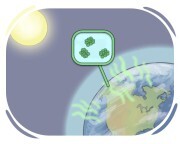
any type of gas, particularly carbon dioxide, that contributes to global warming by trapping heat

gaz cu efect de seră, gaz care contribuie la încălzirea globală

gaz cu efect de seră, gaz care contribuie la încălzirea globală

Ex: Carbon dioxide is a major greenhouse gas responsible for global warming. 

Dioxidul de carbon este un important gaz cu efect de seră responsabil pentru încălzirea globală.
Închide
Conectare
greenhouse effect
greenhouse effect
[substantiv]

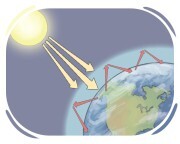
a global problem that is caused by the increase of harmful gases such as carbon dioxide which results in gradual warming of the earth

efectul de seră, fenomenul de seră

efectul de seră, fenomenul de seră

Ex: The greenhouse effect is a natural phenomenon vital for sustaining life on Earth, but the enhanced greenhouse effect caused by human activities has accelerated climate change and its associated impacts. 

Efectul de seră este un fenomen natural vital pentru susținerea vieții pe Pământ, dar efectul de seră intensificat cauzat de activitățile umane a accelerat schimbările climatice și impacturile asociate acestora.
Închide
Conectare
toxic
toxic
[adjectiv]

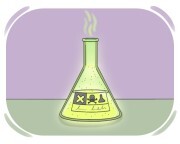
poisonous or capable of causing illness, injury, or death through chemical action

toxic,  toxic

toxic, toxic

Ex: The factory stores toxic chemicals in sealed containers. 
Închide
Conectare
poisonous
poisonous
[adjectiv]

consisting of toxic substances that can cause harm or death

otrăvitor,  toxic

otrăvitor, toxic

Ex: Be careful around those brightly colored mushrooms they arepoisonous! 

Aveți grijă la acele ciuperci colorate, sunt otrăvitoare!
Închide
Conectare
air pollution
air pollution
[substantiv]

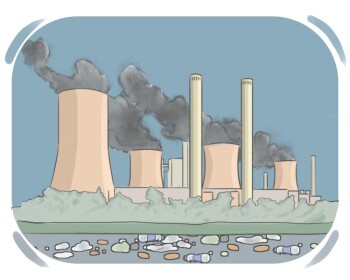
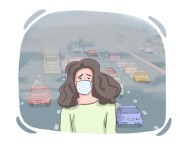
toxic and harmful substances in the air that can cause illnesses

poluarea aerului, poluarea atmosferică

poluarea aerului, poluarea atmosferică

Ex: The heavy air pollution made it difficult to breathe and caused itchy eyes for many residents. 

Poluarea aerului intensă a făcut respirația dificilă și a cauzat mâncărimi la ochi pentru mulți locuitori.
Închide
Conectare
smoke
smoke
[substantiv]

a cloud of chemicals produced by burning something

fum, abur
fum, abur

Ex: The smoke from the campfire made her eyes water. 
Închide
Conectare
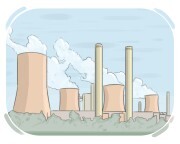
power plant
power plant
[substantiv]

a large building in which electricity is made

centrală electrică, uzină electrică

centrală electrică, uzină electrică

Ex: The massive hydroelectric power plant harnessed the power of the rushing river to generate clean electricity. 

Enorma centrală hidroelectrică a valorificat puterea râului învolburat pentru a genera electricitate curată.
Închide
Conectare
to recycle

to make a waste product usable again

recicla, reutiliza

recicla, reutiliza

Ex: Many communities encourage residents to recycle plastic bottles to reduce environmental pollution. 

Multe comunități îi încurajează pe locuitori să recicleze sticlele de plastic pentru a reduce poluarea mediului.

Închide
Conectare
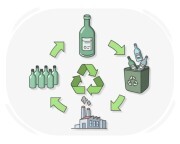
recycling
recycling
[substantiv]

the process of making waste products usable again

reciclare, revalorizarea deșeurilor

reciclare, revalorizarea deșeurilor

Ex: Recycling helps reduce environmental pollution. 

Reciclarea ajută la reducerea poluării mediului.
Închide
Conectare
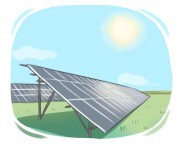
renewable
renewable
[adjectiv]

(of a resource, energy, etc.) naturally restored as fast as or faster than they are used up

regenerabil, durabil

regenerabil, durabil

Ex: Solar energy is a renewable resource that is continuously replenished by the sun's rays. 

Energia solară este o resursă regenerabilă care este continuu realimentată de razele soarelui.
Închide
Conectare
emergency
emergency
[substantiv]

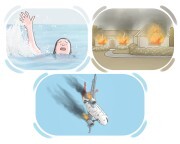
an unexpected and usually dangerous situation needing immediate attention or action

urgență, situație de urgență
urgență, situație de urgență

Ex: The pilot declared an emergency due to engine failure. 
Închide
Conectare
to rot
to rot
[verb]

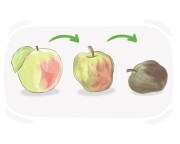
to become destroyed, often due to the action of bacteria or fungi over time

a putrezi, a se descompune

a putrezi, a se descompune

Ex: If not refrigerated, food can quickly rot. 

Dacă nu este refrigerat, alimentele se pot strica rapid.
Închide
Conectare
filth
filth
[substantiv]

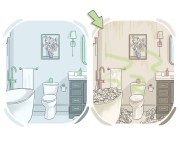
any substance that is dirty, disgusting, or unpleasant

murdărie, mizerie

murdărie, mizerie

Ex: Despite efforts to maintain cleanliness, the alleyway was a breeding ground for filth, attracting pests and emitting foul odors. 

În ciuda eforturilor de a menține curățenia, aleea era un teren fertil pentru murdărie, atrăgând dăunători și emanând mirosuri neplăcute.
Închide
Conectare
to rot
to rot
[verb]

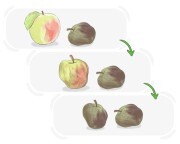
to cause a particular thing to decay or decompose

putrezi, descompune

putrezi, descompune

Ex: The damp conditions in the basement rotted the wooden beams, causing structural damage to the house. 

Condițiile umede din subsol putrezeau grinzile de lemn, provocând daune structurale casei.

Închide
Conectare
LanGeek
Descarcă aplicația LanGeek