B1 Level Wordlist - The Environment and Energy
Here you will learn some English words about the environment and energy, such as "planet", "habitat", "resource", etc. prepared for B1 learners.
Review
Flashcards
Spelling
Quiz

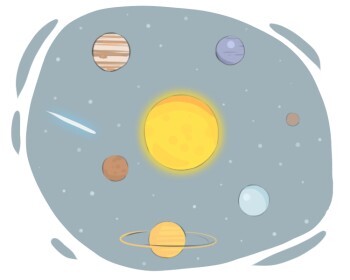
a large, nearly round object in space that moves in an orbit around a star
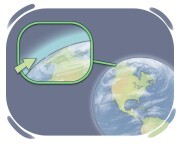
the layer of gases surrounding a planet, held in place by gravity
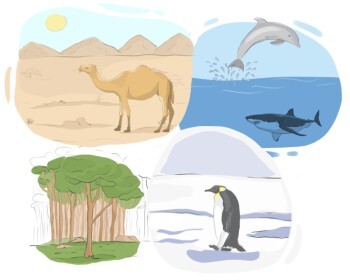
the natural environment in which a particular animal, plant, or other organism normally lives or grows
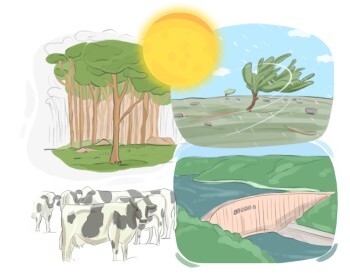
(usually plural) a country's gas, oil, trees, etc. that are considered valuable and therefore can be sold to gain wealth
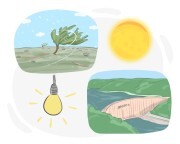
the energy that is obtained through different means, such as electrical or solar, to operate different equipment or machines
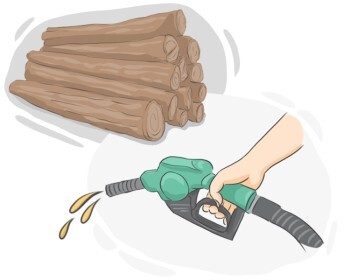
any substance that can produce energy or heat when burned
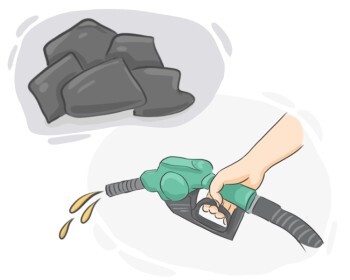
a fuel that is found in nature and obtained from the remains of plants and animals that died millions of years ago, such as coal and gas

a type of fossil fuel, which is black and found in the ground, typically used as a source of energy
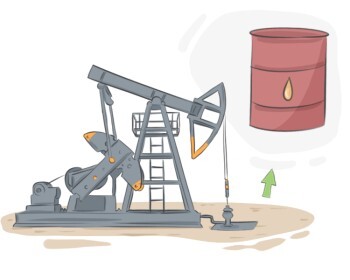
a liquid found deep under the ground that is used as a fuel
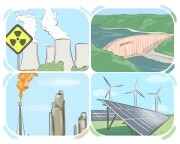
a source of power that can be used to produce heat, light, or to operate different machines
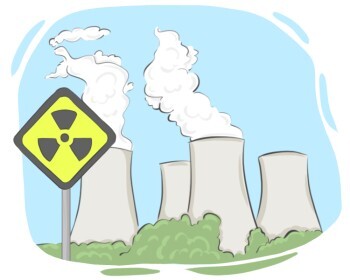
a clean and powerful energy that is obtained by splitting atoms, which then can be used to produce heat, electricity, etc.
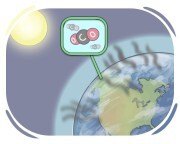
the amount of carbon dioxide that an organization or person releases into the atmosphere
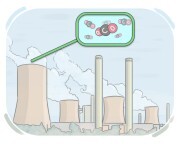
a type of gas with no color and smell that is produced by burning carbon or during breathing out
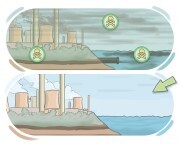
not causing or spreading pollution or contamination, especially radioactive contamination

referring to products, actions, or practices that are designed to cause minimal harm to the environment
(of a substance or product) causing no harm to the environment
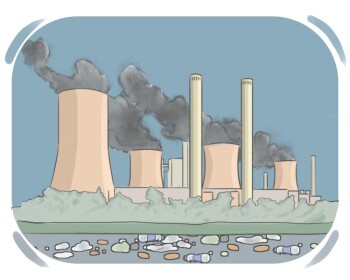
to damage the environment by releasing harmful chemicals or substances to the air, water, or land
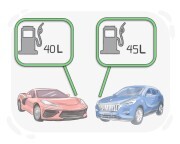
to use up a resource such as fuel, energy, time, or materials
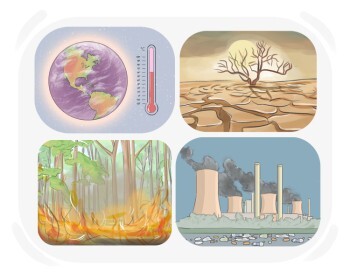
an urgent situation in which proper action must be taken to remove the threats done to the environment
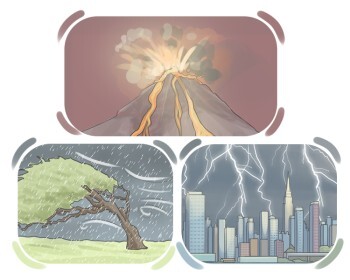
any destruction caused by the nature that results in a great amount of damage or the death of many, such as an earthquake, flood, etc.
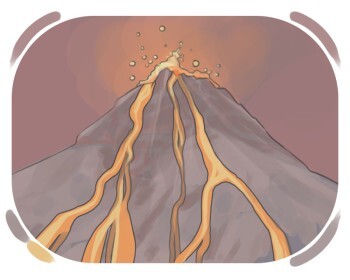
the sudden release of lava, gases, and ash from a volcano

things such as household materials that have no use anymore
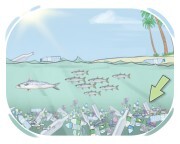
materials that have no use and are unwanted
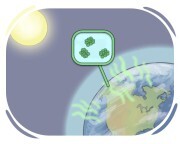
any type of gas, particularly carbon dioxide, that contributes to global warming by trapping heat
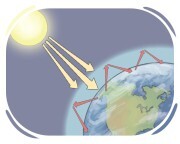
a global problem that is caused by the increase of harmful gases such as carbon dioxide which results in gradual warming of the earth
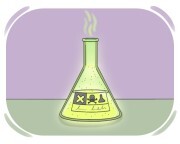
poisonous or capable of causing illness, injury, or death through chemical action

consisting of toxic substances that can cause harm or death
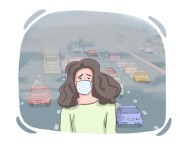
toxic and harmful substances in the air that can cause illnesses
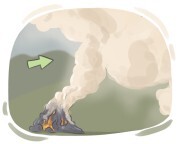
a cloud of chemicals produced by burning something
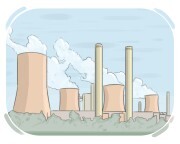
a large building in which electricity is made
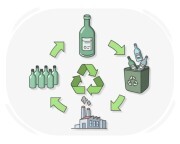
to make a waste product usable again
the process of making waste products usable again
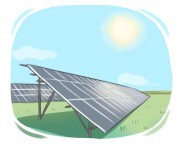
(of a resource, energy, etc.) naturally restored as fast as or faster than they are used up
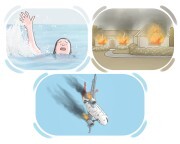
an unexpected and usually dangerous situation needing immediate attention or action

to become destroyed, often due to the action of bacteria or fungi over time