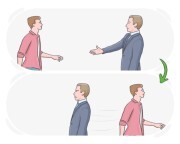
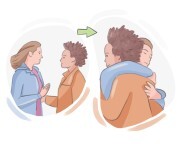

pattern

A Hatalmi Viszonyok Igéi - Igék a Megbocsátáshoz és a Mulasztáshoz

Itt megtanulsz néhány angol igét, amelyek a megbocsátásra és a figyelmen kívül hagyásra vonatkoznak, például "megbocsát", "menteget" és "figyelmen kívül hagy".

Áttekintés

Villámkártyák

alakok

Betűzés

Kvíz

Indítsa el a tanulást
Categorized English Verbs Denoting Power Relations
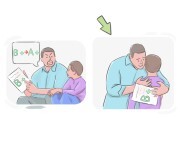
to forgive

to stop being angry or blaming someone for what they have done, and to choose not to punish them for their mistakes or flaws

megbocsát, elnéz

megbocsát, elnéz

Ex: After much reflection, she decided to forgive her friend for the misunderstanding. 
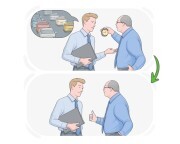
to excuse

to forgive someone for making a mistake, etc.

megbocsát, elnéz

megbocsát, elnéz

Ex: Understanding the circumstances, she chose to excuse her colleague for the unintentional oversight. 
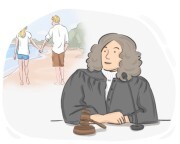
to pardon

to forgive someone for a mistake, releasing them from the usual consequences

megbocsát, felment

megbocsát, felment

Ex: After a sincere apology, she chose to pardon her friend. 
to absolve

to release someone from blame, guilt, or obligation, clearing them of any wrongdoing

felment, mentesít

felment, mentesít

Ex: Recognizing the misunderstanding, the manager chose to absolve the employee from blame. 
to exonerate

to clear someone from blame or responsibility for a wrongdoing or crime, often through evidence

felment, rehabilitál

felment, rehabilitál

Ex: The newly discovered evidence served to exonerate the wrongly accused individual. 
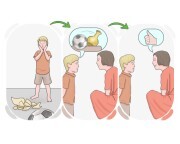
to let off

to not punish someone for a wrongdoing, or only give them a light punishment

elenged, megbocsát

elenged, megbocsát

Ex: The parent let the child off for breaking a vase, understanding that it was an accident and not a deliberate act of mischief. 
to ignore

to intentionally pay no or little attention to someone or something

figyelmen kívül hagyni, nem vesz tudomást

figyelmen kívül hagyni, nem vesz tudomást

Ex: Despite the repeated warnings, he chose to ignore the safety guidelines. 
to neglect

to pay little or no attention to something or someone, often leading to issues or problems

elhanyagol, figyelmen kívül hagy

elhanyagol, figyelmen kívül hagy

Ex: The company neglected the warnings about the changing market trends, and now they face financial challenges. 
to overlook

to not notice or see something

átnéz, figyelmen kívül hagy

átnéz, figyelmen kívül hagy

Ex: In her haste, she might overlook the important details in the document. 
to dismiss

to disregard something as unimportant or unworthy of consideration

figyelmen kívül hagy, elutasít

figyelmen kívül hagy, elutasít

Ex: She regularly dismisses suggestions that deviate from the established plan. 
to condone

to accept or forgive something that is commonly believed to be wrong

tűr, megbocsát

tűr, megbocsát

Ex: The company's failure to address employee misconduct might be seen as condoning unethical practices in the workplace. 
to pass over

to skip or ignore something or someone

átugrani, figyelmen kívül hagyni

átugrani, figyelmen kívül hagyni

Ex: Let's pass over the details for now and focus on the bigger picture. 
to write off

to consider someone or something as having no value or importance

leír, veszteségnek tekint

leír, veszteségnek tekint

Ex: Despite our high hopes, we had to write off the initiative as unsuccessful. 
to brush aside

to ignore something without giving it much thought or consideration

félresöpör, figyelmen kívül hagy

félresöpör, figyelmen kívül hagy

Ex: They brushed aside the outdated policies and implemented new strategies. 
to shrug off

to consider something unworthy of one's attention or consideration

figyelmen kívül hagyni, nem foglalkozik vele

figyelmen kívül hagyni, nem foglalkozik vele

Ex: The manager advised the team to shrug off the distractions and maintain productivity. 
to disregard

to intentionally ignore or act without concern for something or someone that deserves consideration

figyelmen kívül hagy, mellőz

figyelmen kívül hagy, mellőz

Ex: The boss disregarded safety protocols and put workers at risk. 
to downplay

to make something seem less important or significant than it truly is

kisebbíteni, lekicsinyelni

kisebbíteni, lekicsinyelni

Ex: The manager chose to downplay the challenges the team was facing during the project. 
to flout

to openly ignore or disobey something, showing disrespect by not following rules or standards

mellőz, dacol

mellőz, dacol

Ex: The rebellious teenager chose to flout the rules of the school. 
to discount

to ignore or dismiss something, refusing to consider or give attention to it

figyelmen kívül hagyni, elutasítani

figyelmen kívül hagyni, elutasítani

Ex: It's unfair to discount the opinions of certain team members during decision-making. 
to blank

to deliberately ignore or treat someone as if they are not present

figyelmen kívül hagy, úgy tesz

figyelmen kívül hagy, úgy tesz

Ex: She chose to blank her colleague in the hallway, avoiding eye contact. 
LanGeek
LanGeek alkalmazás letöltése