
Czasowniki Relacji Władzy - Czasowniki dla Przebaczenia i Zaniedbania
Tutaj nauczysz się niektórych angielskich czasowników odnoszących się do wybaczenia i zaniedbania, takich jak "wybaczać", "usprawiedliwiać" i "przeoczyć".
Przegląd
Fiszki
formy
Pisownia
Test

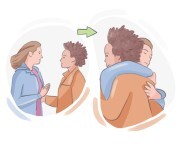
to stop feeling anger or resentment toward someone for something they have done

wybaczyć, przebaczyć
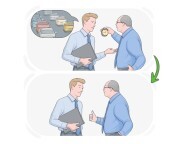
to forgive someone for making a mistake, etc.
wybaczać, przebaczać
to forgive someone for a mistake, offense, or rude action
wybaczać, przebaczać
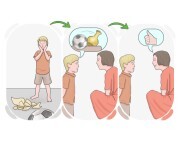
to release someone from blame, guilt, or obligation, clearing them of any wrongdoing
uniewinniać, zwalniać z odpowiedzialności
Kierownik aktywnie zwalnia pracowników z winy za drobne zaniedbania.
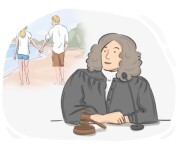
to clear someone from blame or responsibility for a wrongdoing or crime, often through evidence
uniewinnić, zrehabilitować
Test DNA był kluczowy w uniewinnieniu niesłusznie skazanego człowieka po latach w więzieniu.
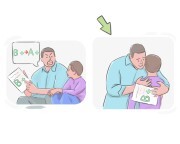
to not punish someone for a wrongdoing, or only give them a light punishment
darować karę, ukarać jedynie łagodnie
Nauczyciel darował uczniowi zapomnienie pracy domowej tym razem, ale ostrzegł go o surowszych konsekwencjach, jeśli to się powtórzy.
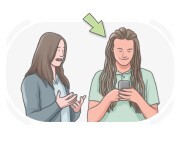
to intentionally pay no or little attention to someone or something
ignorować, nie zwracać uwagi
to give little or no attention to someone or something
zaniedbywać, ignorować
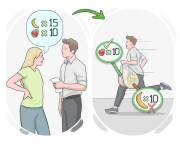
to fail to notice, see, or consider something
przeoczyć, pominąć
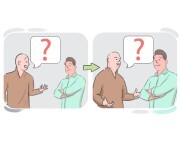
to disregard something as unimportant or unworthy of consideration
ignorować, odrzucać
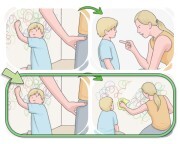
to accept or forgive something that is commonly believed to be wrong
tolerować, wybaczać
Ignorowanie szkodliwego zachowania partnera bez jego omawiania może być postrzegane jako pobłażanie takim działaniom.
to skip or ignore something or someone
pominąć lub zignorować coś albo kogoś, przejść nad czymś bez omawiania
Często pomijają szczegóły podczas przeglądania umowy.
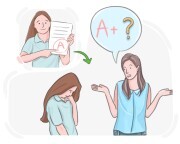
to consider someone or something as having no value or importance
uznać za bezwartościowe lub nieważne, uznać kogoś lub coś za nieudane lub beznadziejne
Po sześciu miesiącach pracy ostatecznie odpisaliśmy projekt jako nieudany.
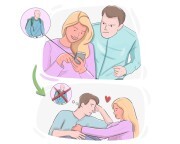
to ignore something without giving it much thought or consideration
zlekceważyć, zignorować
Zignorowali przestarzałe polityki i wdrożyli nowe strategie.
to consider something unworthy of one's attention or consideration
zlekceważyć, uznać coś za niewarte uwagi
Ona zignorowała krytykę i kontynuowała swoją pracę.
to intentionally ignore or act without concern for something or someone that deserves consideration
ignorować, lekceważyć
Pomimo wagi sprawy, postanowił zignorować ostrzeżenia.
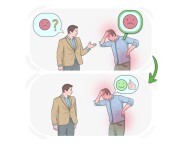
to make something seem less important or significant than it truly is
bagatelizować, umniejszać
Rzecznik obecnie bagatelizuje implikacje ostatniego incydentu.
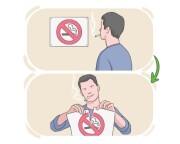
to openly ignore or disobey something, showing disrespect by not following rules or standards
lekceważyć, pogardzać
Organizacja ostatnio zlekceważyła standardy środowiskowe, przyciągając uwagę prawną.
to ignore or dismiss something, refusing to consider or give attention to it
ignorować, odrzucać
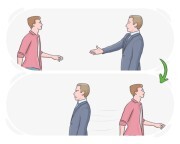
to deliberately ignore someone or pretend not to recognize them
ignorować, zbyć
| Czasowniki Relacji Władzy | |||
|---|---|---|---|
| Czasowniki dla Uwięzienia i Wyzwolenia | Czasowniki do ograniczeń | Czasowniki do pozbawienia | Czasowniki do Wykonywania Władzy |
| Czasowniki do reagowania na władzę | Czasowniki dla Zarządzania | Czasowniki dla Przebaczenia i Zaniedbania | |
