
Verbs of Power Relations - Verbs for Forgiveness and Disregard
Here you will learn some English verbs referring to forgiveness and disregard such as "pardon", "excuse", and "overlook".
Review
Flashcards
Forms
Spelling
Quiz

to stop being angry or blaming someone for what they have done, and to choose not to punish them for their mistakes or flaws

to forgive someone for making a mistake, etc.
to forgive someone for a mistake, releasing them from the usual consequences
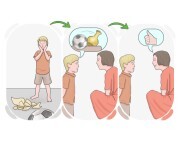
to release someone from blame, guilt, or obligation, clearing them of any wrongdoing
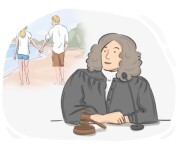
to clear someone from blame or responsibility for a wrongdoing or crime, often through evidence
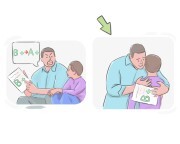
to not punish someone for a wrongdoing, or only give them a light punishment

to intentionally pay no or little attention to someone or something
to pay little or no attention to something or someone, often leading to issues or problems
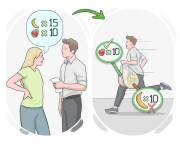
to not notice or see something

to disregard something as unimportant or unworthy of consideration
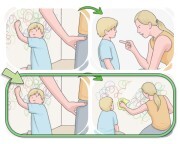
to accept or forgive something that is commonly believed to be wrong
to skip or ignore something or someone
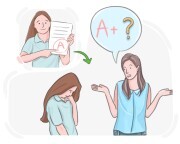
to consider someone or something as having no value or importance

to ignore something without giving it much thought or consideration
to consider something unworthy of one's attention or consideration
to intentionally ignore or act without concern for something or someone that deserves consideration

to make something seem less important or significant than it truly is
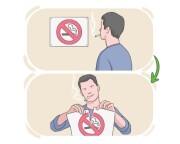
to openly ignore or disobey something, showing disrespect by not following rules or standards
to ignore or dismiss something, refusing to consider or give attention to it

| Verbs of Power Relations | |||
|---|---|---|---|
| Verbs for Confinement and Liberation | Verbs for Restriction | Verbs for Deprivation | Verbs for Exercising Power |
| Verbs for Reacting to Power | Verbs for Management | Verbs for Forgiveness and Disregard | |
