
Verbos de Relaciones de Poder - Verbos para el Perdón y la Desatención
Aquí aprenderás algunos verbos en inglés que se refieren al perdón y la indiferencia, como "perdonar", "disculpar" y "pasar por alto".
Revisión
Tarjetas de memoria
formas
Ortografía
Cuestionario


to stop feeling anger or resentment toward someone for something they have done

perdonar

to forgive someone for making a mistake, etc.
excusar
to forgive someone for a mistake, offense, or rude action
perdonar, disculpar
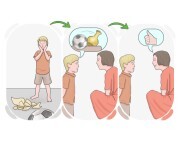
to release someone from blame, guilt, or obligation, clearing them of any wrongdoing
absolver
Después de una investigación exhaustiva, el comité decidió absolver al empleado de cualquier mala conducta.

to clear someone from blame or responsibility for a wrongdoing or crime, often through evidence
exonerar
Los esfuerzos diligentes del equipo legal ayudaron a exonerar a la persona inocente del crimen.
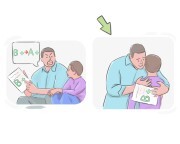
to not punish someone for a wrongdoing, or only give them a light punishment
dejar sin castigo, imponer solo un castigo leve
El juez dejó ir al delincuente juvenil con una advertencia en lugar de imponer una multa o servicio comunitario.

to intentionally pay no or little attention to someone or something
ignorar
to give little or no attention to someone or something
descuidar, ignorar
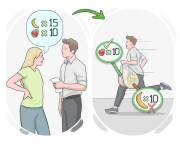
to fail to notice, see, or consider something
pasar por alto, no darse cuenta de
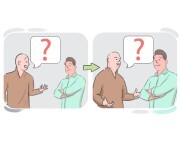
to disregard something as unimportant or unworthy of consideration
ignorar
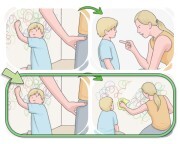
to accept or forgive something that is commonly believed to be wrong
consentir
El silencio sobre ciertos temas puede interpretarse como condonar las normas sociales, incluso si van en contra de los principios de igualdad y justicia.
to skip or ignore something or someone
saltarse o ignorar algo o a alguien, pasar por alto algo sin detenerse en ello
Es importante no pasar por alto ningún procedimiento de seguridad.

to consider someone or something as having no value or importance
considerar sin valor o importancia, considerar a alguien o algo como un fracaso
El gerente rápidamente descartó la propuesta por considerarla poco realista.

to ignore something without giving it much thought or consideration
desestimar, hacer caso omiso
El político intentó hacer caso omiso de las acusaciones en su contra.
to consider something unworthy of one's attention or consideration
restar importancia, considerar algo indigno de atención
El atleta decidió hacer caso omiso de los comentarios negativos y mantenerse concentrado en el entrenamiento.
to intentionally ignore or act without concern for something or someone that deserves consideration
ignorar
El criminal ignora la ley y continúa con actividades ilegales.
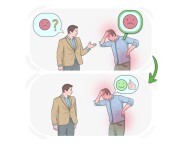
to make something seem less important or significant than it truly is
minimizar, quitar importancia
Los maestros deben evitar restar importancia a los logros de los estudiantes para fomentar un esfuerzo continuo.
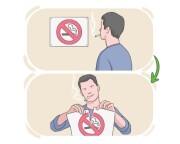
to openly ignore or disobey something, showing disrespect by not following rules or standards
burlarse de
La decisión de la empresa de desafiar los estándares éticos llevó a críticas públicas.
to ignore or dismiss something, refusing to consider or give attention to it
ignorar, descartar

to deliberately ignore someone or pretend not to recognize them
ignorar, hacer el vacío
| Verbos de Relaciones de Poder | |||
|---|---|---|---|
| Verbos para el Confinamiento y la Liberación | Verbos para la restricción | Verbos de privación | Verbos para Ejercer el Poder |
| Verbos para reaccionar al poder | Verbos para la Gestión | Verbos para el Perdón y la Desatención | |
