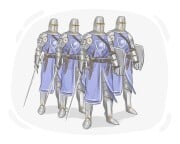

pattern

Lényeges Szókincs a TOEFL-hez - Idő és Történelem

Itt megtanulhat néhány angol szót az időről és a történelemről, például "század", "évtized", "örökkévalóság" stb., amelyek szükségesek a TOEFL vizsgához.

Áttekintés

Villámkártyák

Betűzés

Kvíz

Indítsa el a tanulást
Essential Words Needed for TOEFL
before Christ
before Christ
[határozószó]

marking the years before Christ's supposed birth

Krisztus előtt

Krisztus előtt

Ex: The ancient civilization of Mesopotamia flourished around 3000 BC. 
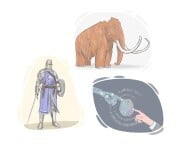
era
era
[Főnév]

a period of history marked by particular features or events

korszak, időszak

korszak, időszak

Ex: The fall of the Berlin Wall marked the beginning of a new era in European politics. 
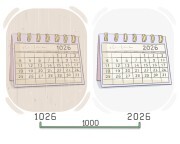
millennium
millennium
[Főnév]

a period of one thousand years, usually calculated from the year of the birth of Jesus Christ

évezred, millennium

évezred, millennium

Ex: Historians study events that occurred during the first millennium AD to understand ancient civilizations. 
millennial
millennial
[melléknév]

relating to a time span of a thousand years

ezredéves, egy évezredre vonatkozó

ezredéves, egy évezredre vonatkozó

Ex: The ancient ruins provide insights into millennial civilizations. 
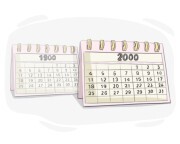
century
century
[Főnév]

a period of one hundred years

század, évszázad

század, évszázad

Ex: Climate change is one of the most serious issues of this century. 
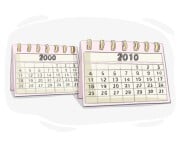
decade
decade
[Főnév]

ten years of time

évtized

évtized

Ex: It's been a decade since I last visited my hometown. 
age
age
[Főnév]

a period of history identified with a particular event

kor, korszak

kor, korszak

Ex: During the age of exploration, many new lands and trade routes were discovered. 
chronological
chronological
[melléknév]

organized according to the order that the events occurred in

kronológiai

kronológiai

Ex: The historical events were presented in chronological order. 
eternity
eternity
[Főnév]

time that is endless

örökkévalóság, végtelenség

örökkévalóság, végtelenség

Ex: Gazing up at the starry night sky, he felt as though he could get lost in the vastness of eternity. 
eventual
eventual
[melléknév]

happening at the end of a process or a particular period of time

végső

végső

Ex: After years of hard work and dedication, he finally achieved his eventual goal of becoming a successful entrepreneur. 
annually
annually
[határozószó]

in a way that happens once every year

évente, minden évben

évente, minden évben

Ex: The insurance premium is paid annually. 
biannual
biannual
[melléknév]

taking place twice a year

féléves, évente kétszeri

féléves, évente kétszeri

Ex: The company holds biannual meetings to review progress and set new goals. 
indefinitely
indefinitely
[határozószó]

for an unspecified period of time

határozatlan ideig, meghatározatlan időre

határozatlan ideig, meghatározatlan időre

Ex: The event has been postponed indefinitely due to unforeseen circumstances. 
subsequently
subsequently
[határozószó]

after a particular event or time

később, azután

később, azután

Ex: She moved to France and subsequently began studying art. 
simultaneously
simultaneously
[határozószó]

at exactly the same time

egyidejűleg, ugyanakkor

egyidejűleg, ugyanakkor

Ex: The two dancers performed different routines simultaneously on the stage. 
beforehand
beforehand
[határozószó]

at an earlier time

előre, korábban

előre, korábban

Ex: Guests must submit dietary requests beforehand. 
frequently
frequently
[határozószó]

regularly and with short time in between

gyakran, rendszeresen

gyakran, rendszeresen

Ex: He checks his email frequently throughout the day. 
instantly
instantly
[határozószó]

with no delay and at once

azonnal, rögtön

azonnal, rögtön

Ex: The digital transaction was completed instantly. 
former
former
[melléknév]

referring to the first of two things mentioned

első, korábbi

első, korábbi

Ex: After considering two internship offers, he decided to pursue the former opportunity as it offered more hands-on experience. 
latter
latter
[melléknév]

referring to the second of two things mentioned

utóbbi, második

utóbbi, második

Ex: n the debate between the two proposals, the latter argument was more compelling. 
leap year
leap year
[Főnév]

a year in every four years that has 366 days instead of 365

szökőév, többletév

szökőév, többletév

Ex: 2020 was a leap year, so it had 366 days instead of the usual 365. 
seasonal
seasonal
[melléknév]

typical or customary for a specific time of year

szezonális, az évszaknak megfelelő

szezonális, az évszaknak megfelelő

Ex: They enjoyed seasonal fruits and vegetables from the local farmer's market. 
solstice
solstice
[Főnév]

either of the two times of the year when the sun reaches its farthest or closest distance from the equator

napforduló, szolstitium

napforduló, szolstitium

Ex: The winter solstice marks the shortest day and longest night of the year, a time when darkness holds sway over the land and the world seems to stand still. 
continual
continual
[melléknév]

happening repeatedly or continuously in an annoying or problematic way

folyamatos, szakadatlan

folyamatos, szakadatlan

Ex: The continual noise from the construction site disrupted the neighborhood's peace. 
daybreak
daybreak
[Főnév]

the time in the very early morning when the first sunlight appears

hajnal, virradat

hajnal, virradat

dusk
dusk
[Főnév]

the time after sun sets that is not yet completely dark

alkony, esteledés

alkony, esteledés

Ex: As the sky turned a deep shade of orange, signaling the onset of dusk, the city's lights began to flicker on, casting a warm glow over the streets. 
solar year
solar year
[Főnév]

the time span in which earth orbits the sun

napév, trópusi év

napév, trópusi év

lunar year
lunar year
[Főnév]

a period of 12 lunar months (the time span between two new moons), which is around 354 days

holdév, szinodikus év

holdév, szinodikus év

later on
later on
[határozószó]

after the time mentioned or in the future

később, a jövőben

később, a jövőben

Ex: I'll finish the task later on, after I take a break. 
prehistoric
prehistoric
[melléknév]

relating or belonging to the time before history was recorded

őskori, történelem előtti

őskori, történelem előtti

Ex: Archaeologists discovered prehistoric artifacts in the cave. 
primitive
primitive
[melléknév]

characteristic of an early stage of human or animal evolution

primitív, archaikus

primitív, archaikus

Ex: The cave paintings depict the life of primitive man. 
civilization
civilization
[Főnév]

a society that has developed its own culture and institutions in a particular period of time or place

civilizáció, társadalom

civilizáció, társadalom

Ex: Ancient Egypt is considered one of the greatest civilizations in history. 
historian
historian
[Főnév]

someone who studies or records historical events

történész, történetíró

történész, történetíró

Ex: The historian spent years researching ancient Roman battles. 
medieval
medieval
[melléknév]

belonging or related to the Middle Ages, the period in European history from roughly the 5th to the 15th century

középkori, a középkorhoz tartozó

középkori, a középkorhoz tartozó

Ex: The castle is a masterpiece of medieval architecture, complete with towers and battlements. 
golden age
golden age
[Főnév]

an idealized or imagined period of peace, prosperity, and happiness

aranykor, aranykorszak

aranykor, aranykorszak

Ex: The novel depicted a golden age of harmony in the kingdom. 
archive
archive
[Főnév]

a place or a collection of records or documents of historical importance

archívum, történelmi dokumentumok tárolója

archívum, történelmi dokumentumok tárolója

Ex: The library's archive contains rare manuscripts and historical documents dating back centuries. 
origin
origin
[Főnév]

the point or place where something has its foundation or beginning

eredet, forrás

eredet, forrás

Ex: The origin of the river is in the mountains to the north. 
anno Domini
anno Domini
[határozószó]

used to refer to a date that is after the birth of Jesus Christ

Krisztus után, Kr. u.

Krisztus után, Kr. u.

Ex: The ancient city was founded in 753 BC and later became a significant hub during the Roman Empire, enduring until AD 476. 
monument
monument
[Főnév]

a place or building that is historically important

műemlék

műemlék

Ex: The Eiffel Tower is a famous monument in Paris, attracting millions of tourists each year. 
Common Era
Common Era
[határozószó]

used with a date to refer to things happened or existed after the birth of Christ

közönséges korszak, Krisztus után

közönséges korszak, Krisztus után

Ex: The fall of the Western Roman Empire occurred around 476 CE. 
LanGeek
LanGeek alkalmazás letöltése