pattern

Kosakata Penting untuk TOEFL - Waktu dan Sejarah

Di sini Anda akan mempelajari beberapa kata bahasa Inggris tentang waktu dan sejarah, seperti "abad", "dekade", "keabadian", dll. yang dibutuhkan untuk ujian TOEFL.

Tinjauan

Kartu flash

bentuk

Ejaan

Kuis

Mulai belajar
Essential Words Needed for TOEFL
before Christ
before Christ
[Adverbia]

marking the years before Christ's supposed birth

sebelum Masehi
sebelum Masehi

Ex: The ancient city of Rome was traditionally founded in 753 BC.

Kota kuno Roma secara tradisional didirikan pada tahun 753 Sebelum Masehi.

Tutup
Masuk
era
era
[Kata benda]

a period of history marked by particular features or events

era, zaman

era, zaman

Ex: The Industrial Revolution ushered in an era of rapid technological and economic change .

Revolusi Industri menandai dimulainya era perubahan teknologi dan ekonomi yang cepat.

Tutup
Masuk
millennium
millennium
[Kata benda]

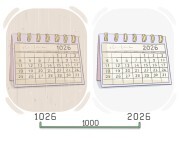
a period of one thousand years, usually calculated from the year of the birth of Jesus Christ

milenium, seribu tahun

milenium, seribu tahun

Ex: Futurists speculate about technological advancements that may shape the next millennium.

Para futuris berspekulasi tentang kemajuan teknologi yang dapat membentuk milenium berikutnya.

Tutup
Masuk
millennial
millennial
[Adjektiva]

relating to a time span of a thousand years

milenium, berhubungan dengan milenium

milenium, berhubungan dengan milenium

Ex: The millennial glacier has been slowly receding over the past thousand years .

Gletser milenium telah perlahan surut selama seribu tahun terakhir.

Tutup
Masuk
century
century
[Kata benda]

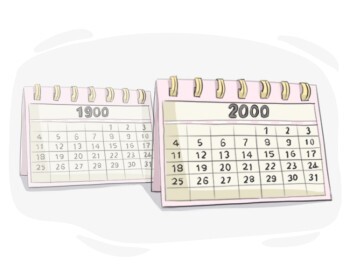
a period of one hundred years

abad, seratus tahun
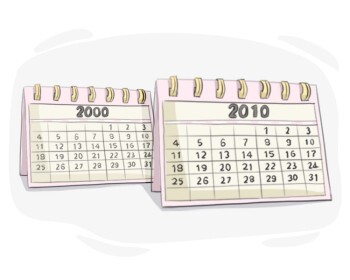
abad, seratus tahun

Ex: This ancient artifact dates back to the 7th century.

Artefak kuno ini berasal dari abad ke-7 abad.

Tutup
Masuk
decade
decade
[Kata benda]

ten years of time

dekade

dekade

Ex: The technology has evolved significantly in the last decade.

Teknologi telah berkembang pesat dalam dekade terakhir.

Tutup
Masuk
age
age
[Kata benda]

a period of history identified with a particular event

zaman, era
zaman, era

Ex: The age of agriculture saw the development of farming techniques and settlement growth .

Zaman pertanian menyaksikan perkembangan teknik pertanian dan pertumbuhan permukiman.

Tutup
Masuk
chronological
chronological
[Adjektiva]

organized according to the order that the events occurred in

kronologis

kronologis

Ex: The museum exhibit showcased artifacts in chronological order , illustrating the development of civilization .

Pameran museum menampilkan artefak dalam urutan kronologis, menggambarkan perkembangan peradaban.

Tutup
Masuk
eternity
eternity
[Kata benda]

time that is endless

keabadian, ketidakterbatasan

keabadian, ketidakterbatasan

Ex: As the sun dipped below the horizon , painting the sky in shades of pink and gold , she felt a sense of peace wash over her , a fleeting glimpse of eternity.

Saat matahari terbenam di bawah cakrawala, mengecat langit dengan nuansa merah muda dan emas, dia merasakan kedamaian meliputinya, sekilas keabadian.

Tutup
Masuk
eventual
eventual
[Adjektiva]

happening at the end of a process or a particular period of time

akhir

akhir

Ex: Although the road ahead may be challenging , they remain optimistic about their eventual triumph .

Meskipun jalan di depan mungkin menantang, mereka tetap optimis tentang kemenangan akhir mereka.

Tutup
Masuk
annually
annually
[Adverbia]

in a way that happens once every year

setiap tahun, tahunan

setiap tahun, tahunan

Ex: The garden show takes place annually.

Pameran taman berlangsung setiap tahun.

Tutup
Masuk
biannual
biannual
[Adjektiva]

taking place twice a year

semesteran, dua kali setahun

semesteran, dua kali setahun

Ex: The biannual festival is a highlight of the community calendar , bringing together locals and tourists .

Festival dua tahun sekali ini adalah sorotan dari kalender komunitas, menyatukan penduduk lokal dan wisatawan.

Tutup
Masuk
indefinitely
indefinitely
[Adverbia]

for an unspecified period of time

tanpa batas waktu, untuk jangka waktu yang tidak ditentukan

tanpa batas waktu, untuk jangka waktu yang tidak ditentukan

Ex: The road closure will last indefinitely as repairs are more extensive than anticipated .

Penutupan jalan akan berlangsung tanpa batas waktu karena perbaikan lebih luas dari yang diperkirakan.

Tutup
Masuk
subsequently
subsequently
[Adverbia]

after a particular event or time

setelahnya, kemudian

setelahnya, kemudian

Ex: We visited the museum in the morning and subsequently had lunch by the river .

Kami mengunjungi museum di pagi hari dan setelah itu makan siang di tepi sungai.

Tutup
Masuk
simultaneously
simultaneously
[Adverbia]

at exactly the same time

secara bersamaan, pada saat yang sama

secara bersamaan, pada saat yang sama

Ex: They pressed the buttons simultaneously to start the synchronized performance .

Mereka menekan tombol secara bersamaan untuk memulai pertunjukan yang disinkronkan.

Tutup
Masuk
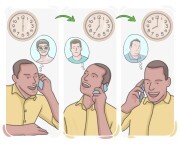
beforehand
beforehand
[Adverbia]

at an earlier time

sebelumnya, lebih awal

sebelumnya, lebih awal

Ex: The system requires login credentials beforehand.

Sistem membutuhkan kredensial login sebelumnya.

Tutup
Masuk
frequently
frequently
[Adverbia]

regularly and with short time in between

sering, kerap

sering, kerap

Ex: The software is updated frequently to address bugs and improve performance .

Perangkat lunak diperbarui sering untuk memperbaiki bug dan meningkatkan kinerja.

Tutup
Masuk
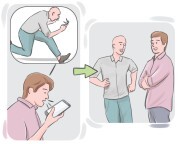
instantly
instantly
[Adverbia]

with no delay and at once

seketika, segera

seketika, segera

Ex: The online message was delivered instantly to the recipient .

Pesan online dikirim seketika kepada penerima.

Tutup
Masuk
former
former
[Adjektiva]

referring to the first of two things mentioned

pertama, sebelumnya

pertama, sebelumnya

Ex: After evaluating two investment strategies, they opted for the former approach as it promised more consistent returns.

Setelah mengevaluasi dua strategi investasi, mereka memilih pendekatan pertama karena menjanjikan pengembalian yang lebih konsisten.

Tutup
Masuk
latter
latter
[Adjektiva]

referring to the second of two things mentioned

terakhir, kedua

terakhir, kedua

Ex: Of the two holiday destinations, we decided to visit the latter one due to its proximity to the beach.

Dari dua destinasi liburan, kami memutuskan untuk mengunjungi yang terakhir karena kedekatannya dengan pantai.

Tutup
Masuk
leap year
leap year
[Kata benda]

a year in every four years that has 366 days instead of 365

tahun kabisat, tahun lompatan
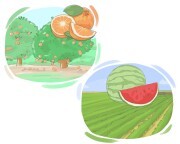
tahun kabisat, tahun lompatan

Ex: Leap years help to keep our calendar synchronized with the seasons .

Tahun kabisat membantu menyinkronkan kalender kita dengan musim.

Tutup
Masuk
seasonal
seasonal
[Adjektiva]

typical or customary for a specific time of year

musiman, khas untuk musim

musiman, khas untuk musim

Ex: Seasonal changes in weather influence the types of clothing available in stores .

Perubahan musiman dalam cuaca mempengaruhi jenis pakaian yang tersedia di toko.

Tutup
Masuk
solstice
solstice
[Kata benda]

either of the two times of the year when the sun reaches its farthest or closest distance from the equator

titik balik matahari, solstis
titik balik matahari, solstis

Ex: At the summer solstice, ancient rituals are enacted to honor the sun and its life-giving energy, ensuring bountiful harvests and prosperity for the year ahead.

Pada titik balik matahari musim panas, ritual kuno dilakukan untuk menghormati matahari dan energi pemberi kehidupannya, memastikan panen melimpah dan kemakmuran untuk tahun depan.

Tutup
Masuk
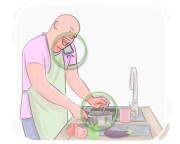
continual
continual
[Adjektiva]

happening repeatedly or continuously in an annoying or problematic way

terus-menerus, tanpa henti

terus-menerus, tanpa henti

Ex: The continual delays in the train schedule frustrated commuters .

Keterlambatan terus-menerus dalam jadwal kereta membuat para komuter frustrasi.

Tutup
Masuk
daybreak
daybreak
[Kata benda]

the time in the very early morning when the first sunlight appears

fajar, subuh

fajar, subuh

Tutup
Masuk
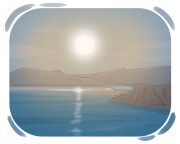
dusk
dusk
[Kata benda]

the time after sun sets that is not yet completely dark

senja, petang

senja, petang

Ex: The beach was deserted at dusk, save for a few solitary figures walking along the shoreline , silhouetted against the fading light of the sun .

Pantai itu sepi pada senja, kecuali beberapa sosok kesepian yang berjalan di sepanjang garis pantai, terlihat siluet terhadap cahaya matahari yang memudar.

Tutup
Masuk
solar year
solar year
[Kata benda]

the time span in which earth orbits the sun

tahun matahari, tahun tropis

tahun matahari, tahun tropis

Tutup
Masuk
lunar year
lunar year
[Kata benda]

a period of 12 lunar months (the time span between two new moons), which is around 354 days

tahun lunar, tahun sinodik

tahun lunar, tahun sinodik

Tutup
Masuk
later on
later on
[Adverbia]

after the time mentioned or in the future

nanti, kelak

nanti, kelak

Ex: Later on, we might consider expanding the business.

Nanti, kita mungkin mempertimbangkan untuk memperluas bisnis.

Tutup
Masuk
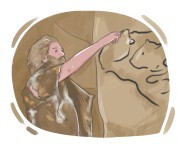
prehistoric
prehistoric
[Adjektiva]

relating or belonging to the time before history was recorded

prasejarah, pra-sejarah

prasejarah, pra-sejarah

Ex: Researchers use carbon dating to determine the age of prehistoric artifacts .

Para peneliti menggunakan penanggalan karbon untuk menentukan usia artefak prasejarah.

Tutup
Masuk
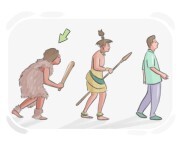
primitive
primitive
[Adjektiva]

characteristic of an early stage of human or animal evolution

primitif, kuno

primitif, kuno

Ex: The island 's ecosystem still contains primitive species that have remained unchanged for centuries .

Ekosistem pulau masih mengandung spesies primitif yang tetap tidak berubah selama berabad-abad.

Tutup
Masuk
civilization
civilization
[Kata benda]

a society that has developed its own culture and institutions in a particular period of time or place

peradaban, masyarakat

peradaban, masyarakat

Ex: The rise of civilization in Mesopotamia marked the beginning of recorded history .

Kebangkitan peradaban di Mesopotamia menandai awal sejarah tercatat.

Tutup
Masuk
historian
historian
[Kata benda]

someone who studies or records historical events

sejarawan, ahli sejarah

sejarawan, ahli sejarah

Ex: The historian's lecture on World War II was incredibly detailed .

Kuliah sejarawan tentang Perang Dunia II sangat detail.

Tutup
Masuk
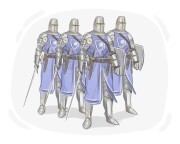
medieval
medieval
[Adjektiva]

belonging or related to the Middle Ages, the period in European history from roughly the 5th to the 15th century

abad pertengahan, berkaitan dengan Abad Pertengahan

abad pertengahan, berkaitan dengan Abad Pertengahan

Ex: Medieval armor and weapons are displayed in the exhibit on chivalric knights .

Baju besi dan senjata abad pertengahan dipamerkan dalam pameran tentang ksatria.

Tutup
Masuk
golden age
golden age
[Kata benda]

an idealized or imagined period of peace, prosperity, and happiness

zaman keemasan, masa keemasan

zaman keemasan, masa keemasan

Ex: The village seemed trapped in a timeless golden age of simplicity .

Desa itu tampak terperangkap dalam zaman keemasan abadi dari kesederhanaan.

Tutup
Masuk
archive
archive
[Kata benda]

a place or a collection of records or documents of historical importance

arsip, tempat penyimpanan dokumen sejarah

arsip, tempat penyimpanan dokumen sejarah

Ex: The archive of the newspaper provides a valuable resource for studying local history and events .

Arsip surat kabar menyediakan sumber daya yang berharga untuk mempelajari sejarah dan peristiwa lokal.

Tutup
Masuk
origin
origin
[Kata benda]

the point or place where something has its foundation or beginning

asal, sumber

asal, sumber

Ex: Scientists are studying the origin of the universe through cosmology .

Para ilmuwan sedang mempelajari asal usul alam semesta melalui kosmologi.

Tutup
Masuk
anno Domini
anno Domini
[Adverbia]

used to refer to a date that is after the birth of Jesus Christ

Anno Domini, AD

Anno Domini, AD

Ex: The Renaissance, a period of cultural and intellectual flourishing, occurred in Europe from the 14th to the 17th centuries AD, leading to significant advancements in art, science, and philosophy.

Renaisans, periode kemajuan budaya dan intelektual, terjadi di Eropa dari abad ke-14 hingga ke-17 Masehi, yang mengarah pada kemajuan signifikan dalam seni, sains, dan filsafat.

Tutup
Masuk
monument
monument
[Kata benda]

a place or building that is historically important

monumen

monumen

Ex: The Taj Mahal is a stunning monument built in memory of Emperor Shah Jahan ’s beloved wife , Mumtaz Mahal .

Taj Mahal adalah monumen yang menakjubkan yang dibangun untuk mengenang istri tercinta Kaisar Shah Jahan, Mumtaz Mahal.

Tutup
Masuk
Common Era
Common Era
[Adverbia]

used with a date to refer to things happened or existed after the birth of Christ

era umum, setelah Masehi

era umum, setelah Masehi

Ex: The American Declaration of Independence was adopted on July 4, 1776 CE.

Deklarasi Kemerdekaan Amerika diadopsi pada 4 Juli 1776 Masehi.

Tutup
Masuk
LanGeek
Unduh aplikasi LanGeek