pattern

Vocabular Esențial pentru TOEFL - Timp și Istorie

Aici veți învăța câteva cuvinte în engleză despre timp și istorie, cum ar fi "secol", "deceniu", "eternitate" etc., care sunt necesare pentru examenul TOEFL.

Revizuire

Fișe de studiu

Ortografie

Chestionar
Începe să înveți
Essential Words Needed for TOEFL
before Christ

marking the years before Christ's supposed birth

înainte de Hristos
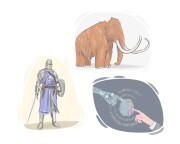
înainte de Hristos

Ex: The ancient civilization of Mesopotamia flourished around 3000 BC. 
Închide
Conectare
era
era
[substantiv]

a period of history marked by particular features or events

eră, epocă

eră, epocă

Ex: The discovery of penicillin marked the start of a new era in medical treatment and antibiotics. 

Descoperirea penicilinei a marcat începutul unei noi ere în tratamentul medical și antibiotice.

Închide
Conectare
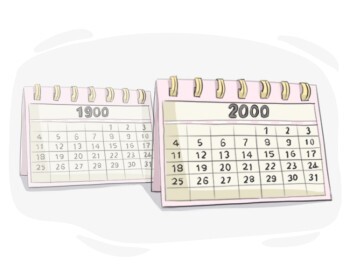
millennium
millennium
[substantiv]

a period of one thousand years, usually calculated from the year of the birth of Jesus Christ

mileniu, millennium

mileniu, millennium

Ex: The invention of printing was a pivotal development during the second millennium. 

Inventarea tiparului a fost o dezvoltare crucială în timpul celui de-al doilea mileniu.

Închide
Conectare
millennial
millennial
[adjectiv]

relating to a time span of a thousand years

milenar, referitor la un mileniu

milenar, referitor la un mileniu

Ex: The ancient ruins provide insights into millennial civilizations. 

Ruinele antice oferă perspective asupra civilizațiilor milenare.
Închide
Conectare
century
century
[substantiv]

a period of one hundred years

secol, veac
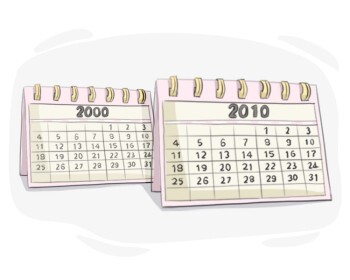
secol, veac

Ex: Climate change is one of the most serious issues of this century. 

Schimbările climatice sunt una dintre cele mai grave probleme ale acestui secol.

Închide
Conectare
decade
decade
[substantiv]

ten years of time

deceniu

deceniu

Ex: It's been a decade since I last visited my hometown. 

A trecut un deceniu de când am vizitat ultima dată orașul meu natal.

Închide
Conectare
age
age
[substantiv]

a period of history identified with a particular event

epocă, eră
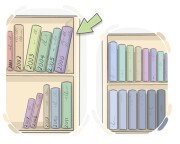
epocă, eră

Ex: During the age of exploration, many new lands and trade routes were discovered. 

În epoca marilor descoperiri geografice, au fost descoperite multe noi teritorii și rute comerciale.

Închide
Conectare
chronological
chronological
[adjectiv]

organized according to the order that the events occurred in

cronologic

cronologic

Ex: The historical events were presented in chronological order. 

Evenimentele istorice au fost prezentate în ordine cronologică.

Închide
Conectare
eternity
eternity
[substantiv]

time that is endless

eternitate, infinit

eternitate, infinit

Ex: Gazing up at the starry night sky, he felt as though he could get lost in the vastness of eternity. 
Închide
Conectare
eventual
eventual
[adjectiv]

happening at the end of a process or a particular period of time

final

final

Ex: After years of hard work and dedication, he finally achieved his eventual goal of becoming a successful entrepreneur. 
Închide
Conectare
annually
annually
[adverb]

in a way that happens once every year

anual, în fiecare an

anual, în fiecare an

Ex: The insurance premium is paid annually. 

Prima de asigurare se plătește anual.

Închide
Conectare
biannual
biannual
[adjectiv]

taking place twice a year

semestrial, de două ori pe an

semestrial, de două ori pe an

Ex: The company holds biannual meetings to review progress and set new goals. 

Compania organizează întâlniri semestriale pentru a examina progresul și a stabili noi obiective.
Închide
Conectare
indefinitely
indefinitely
[adverb]

for an unspecified period of time

nedefinit, pe o perioadă nedeterminată

nedefinit, pe o perioadă nedeterminată

Ex: The event has been postponed indefinitely due to unforeseen circumstances. 

Evenimentul a fost amânat pe termen nedeterminat din cauza unor circumstanțe neprevăzute.

Închide
Conectare
subsequently
subsequently
[adverb]

after a particular event or time

ulterior, apoi

ulterior, apoi

Ex: She moved to France and subsequently began studying art. 

S-a mutat în Franța și ulterior a început să studieze arta.
Închide
Conectare
simultaneously

at exactly the same time

simultan, în același timp

simultan, în același timp

Ex: The two dancers performed different routines simultaneously on the stage. 

Cei doi dansatori au efectuat rutine diferite simultan pe scenă.

Închide
Conectare
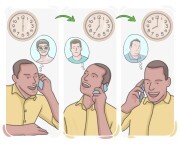
beforehand
beforehand
[adverb]

at an earlier time

înainte, prealabil

înainte, prealabil

Ex: Guests must submit dietary requests beforehand. 

Oaspeții trebuie să trimită cererile alimentare dinainte.
Închide
Conectare
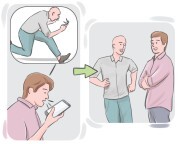
frequently
frequently
[adverb]

regularly and with short time in between

frecvent, deseori

frecvent, deseori

Ex: He checks his email frequently throughout the day. 

El își verifică e-mailul frecvent pe parcursul zilei.
Închide
Conectare
instantly
instantly
[adverb]

with no delay and at once

instantaneu, imediat

instantaneu, imediat

Ex: The digital transaction was completed instantly. 

Tranzacția digitală a fost finalizată instantaneu.

Închide
Conectare
former
former
[adjectiv]

referring to the first of two things mentioned

primul, anterior

primul, anterior

Ex: After considering two internship offers, he decided to pursue the former opportunity as it offered more hands-on experience. 
Închide
Conectare
latter
latter
[adjectiv]

referring to the second of two things mentioned

ultimul, al doilea

ultimul, al doilea

Ex: n the debate between the two proposals, the latter argument was more compelling. 

În dezbaterea dintre cele două propuneri, argumentul ultim a fost mai convingător.

Închide
Conectare
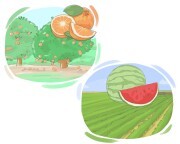
leap year
leap year
[substantiv]

a year in every four years that has 366 days instead of 365

an bisect, an intercalar
an bisect, an intercalar

Ex: 2020 was a leap year, so it had 366 days instead of the usual 365. 
Închide
Conectare
seasonal
seasonal
[adjectiv]

typical or customary for a specific time of year

sezonier, specific sezonului

sezonier, specific sezonului

Ex: They enjoy seasonal activities, such as skiing in the winter and hiking in the summer. 

Ei se bucură de activități sezoniere, cum ar fi schiatul iarna și drumețiile vara.

Închide
Conectare
solstice
solstice
[substantiv]

either of the two times of the year when the sun reaches its farthest or closest distance from the equator

solstițiu, punct solstițial
solstițiu, punct solstițial

Ex: The winter solstice marks the shortest day and longest night of the year, a time when darkness holds sway over the land and the world seems to stand still. 
Închide
Conectare
continual
continual
[adjectiv]

happening repeatedly or continuously in an annoying or problematic way

continuu, neîntrerupt

continuu, neîntrerupt

Ex: The continual noise from the construction site disrupted the neighborhood's peace. 

Zgomotul continuu de la șantier a perturbat liniștea cartierului.
Închide
Conectare
daybreak
daybreak
[substantiv]

the time in the very early morning when the first sunlight appears

zori, răsărit

zori, răsărit

Închide
Conectare
dusk
dusk
[substantiv]

the time after sun sets that is not yet completely dark

amurg, crepuscul

amurg, crepuscul

Ex: As the sky turned a deep shade of orange, signaling the onset of dusk, the city's lights began to flicker on, casting a warm glow over the streets. 

Pe măsură ce cerul a căpătat o nuanță profundă de portocaliu, semnalând începutul amurgului, luminile orașului au început să pâlpâie, aruncând o strălucire caldă peste străzi.

Închide
Conectare
solar year
solar year
[substantiv]

the time span in which earth orbits the sun

an solar, an tropical

an solar, an tropical

Închide
Conectare
lunar year
lunar year
[substantiv]

a period of 12 lunar months (the time span between two new moons), which is around 354 days

an lunar, an sinodic

an lunar, an sinodic

Închide
Conectare
later on
later on
[adverb]

after the time mentioned or in the future

mai târziu, în viitor

mai târziu, în viitor

Ex: I'll finish the task later on, after I take a break. 

Voi termina sarcina mai târziu, după ce fac o pauză.
Închide
Conectare
prehistoric
prehistoric
[adjectiv]

relating or belonging to the time before history was recorded

preistoric, antepopor

preistoric, antepopor

Ex: Archaeologists discovered prehistoric artifacts in the cave. 

Arheologii au descoperit artefacte preistorice în peșteră.
Închide
Conectare
primitive
primitive
[adjectiv]

characteristic of an early stage of human or animal evolution

primitiv, arhaic

primitiv, arhaic

Ex: The cave paintings depict the life of primitive man. 

Picturile rupestre înfățișează viața omului primitiv.

Închide
Conectare
civilization
civilization
[substantiv]

a society that has developed its own culture and institutions in a particular period of time or place

civilizație, societate
civilizație, societate

Ex: Ancient Egypt is considered one of the greatest civilizations in history. 

Egiptul antic este considerat una dintre cele mai mari civilizații din istorie.

Închide
Conectare
historian
historian
[substantiv]

someone who studies or records historical events

istoric, istoriograf

istoric, istoriograf

Ex: The historian spent years researching ancient Roman battles. 

Istoricul a petrecut ani de zile cercetând bătăliile Romei antice.

Închide
Conectare
medieval
medieval
[adjectiv]

belonging or related to the Middle Ages, the period in European history from roughly the 5th to the 15th century

medieval, aparținând Evului Mediu

medieval, aparținând Evului Mediu

Ex: Medieval literature, such as the tales of King Arthur, continues to captivate modern readers. 

Literatura medievală, cum ar fi poveștile despre Regele Arthur, continuă să captiveze cititorii moderni.

Închide
Conectare
golden age
golden age
[substantiv]

an idealized or imagined period of peace, prosperity, and happiness

epoca de aur, vârsta de aur

epoca de aur, vârsta de aur

Ex: The novel depicted a golden age of harmony in the kingdom. 

Romanul a înfățișat o epocă de aur a armoniei în regat.

Închide
Conectare
archive
archive
[substantiv]

a place or a collection of records or documents of historical importance

arhivă, depozit de documente istorice

arhivă, depozit de documente istorice

Ex: The library's archive contains rare manuscripts and historical documents dating back centuries. 

Arhiva bibliotecii conține manuscrise rare și documente istorice care datează de secole în urmă.

Închide
Conectare
origin
origin
[substantiv]

the point or place where something has its foundation or beginning

origine, sursă

origine, sursă

Ex: They traced the origin of the disease to a specific animal species. 

Ei au urmărit originea bolii la o anumită specie animală.

Închide
Conectare
anno Domini
anno Domini
[adverb]

used to refer to a date that is after the birth of Jesus Christ

după Hristos, d.Hr.

după Hristos, d.Hr.

Ex: The ancient city was founded in 753 BC and later became a significant hub during the Roman Empire, enduring until AD 476. 
Închide
Conectare
monument
monument
[substantiv]

a place or building that is historically important

monument

monument

Ex: The Eiffel Tower is a famous monument in Paris, attracting millions of tourists each year. 

Turnul Eiffel este un faimos monument din Paris, care atrage milioane de turiști în fiecare an.

Închide
Conectare
Common Era
Common Era
[adverb]

used with a date to refer to things happened or existed after the birth of Christ

era noastră, după Hristos

era noastră, după Hristos

Ex: The fall of the Western Roman Empire occurred around 476 CE. 
Închide
Conectare
LanGeek
Descarcă aplicația LanGeek