
Необходимый Словарный Запас для TOEFL - Время и история
Здесь вы выучите некоторые английские слова о времени и истории, такие как "век", "десятилетие", "вечность" и т.д., которые необходимы для экзамена TOEFL.
Обзор
Флэш-карточки
Правописание
Тест

marking the years before Christ's supposed birth

до н.э.
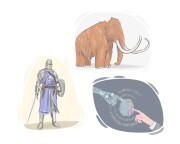
a period of history marked by particular features or events
эра
Промышленная революция ознаменовала начало эры быстрых технологических и экономических изменений.
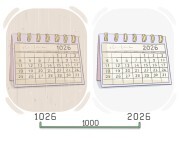
a period of one thousand years, usually calculated from the year of the birth of Jesus Christ
тысячелетие
Изобретение книгопечатания стало ключевым событием во втором тысячелетии.

relating to a time span of a thousand years
тысячелетний
Древние руины дают представление о тысячелетних цивилизациях.
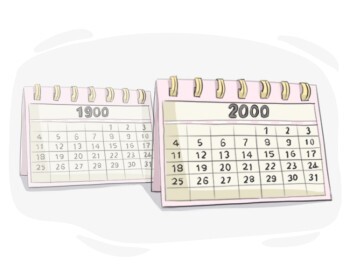
a period of one hundred years
век
Изменение климата является одной из самых серьезных проблем этого века.
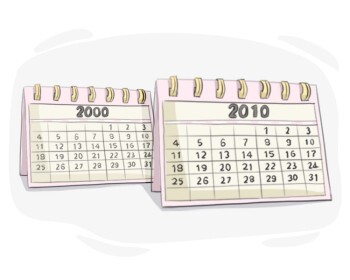
ten years of time
десятилетие
Прошло десятилетие с тех пор, как я в последний раз посетил свой родной город.

a period of history identified with a particular event
эпоха
В эпоху великих географических открытий было обнаружено много новых земель и торговых путей.
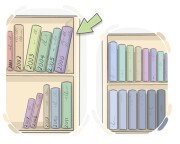
organized according to the order that the events occurred in
хронологический
Исторические события были представлены в хронологическом порядке.

time that is endless
вечность

happening at the end of a process or a particular period of time
окончательный

in a way that happens once every year
ежегодно
Страховая премия выплачивается ежегодно.
taking place twice a year
полугодовой
Компания проводит полугодовые встречи для обзора прогресса и постановки новых целей.

for an unspecified period of time
бессрочно
Мероприятие было отложено на неопределенный срок из-за непредвиденных обстоятельств.

after a particular event or time
в дальнейшем
Она переехала во Францию и впоследствии начала изучать искусство.

at exactly the same time
одновременно
Два танцора выполнили разные routines одновременно на сцене.

at an earlier time
заранее
Гости должны подавать диетические запросы заранее.

regularly and with short time in between
зачастую
Он часто проверяет свою электронную почту в течение дня.
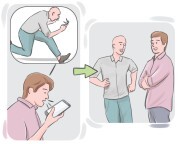
with no delay and at once
моментально
Цифровая транзакция была завершена мгновенно.

referring to the first of two things mentioned
бывший
referring to the second of two things mentioned
последний
В дебатах между двумя предложениями последний аргумент был более убедительным.

a year in every four years that has 366 days instead of 365
високосный год
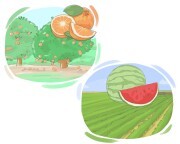
typical or customary for a specific time of year
сезонный
Она поставила сезонные украшения, чтобы отпраздновать праздничный сезон.

either of the two times of the year when the sun reaches its farthest or closest distance from the equator
солнцестояние
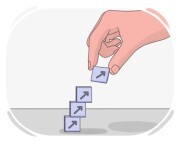
happening repeatedly or continuously in an annoying or problematic way
непрерывный
Постоянный шум со стройки нарушил покой района.
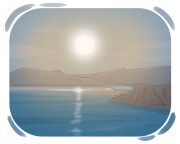
the time after sun sets that is not yet completely dark
закат
Когда небо приобрело глубокий оттенок оранжевого, сигнализируя о наступлении сумерек, огни города начали мерцать, озаряя улицы теплым светом.
a period of 12 lunar months (the time span between two new moons), which is around 354 days
лунный год

after the time mentioned or in the future
позже
Я закончу задачу позже, после того как сделаю перерыв.
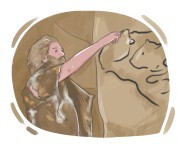
relating or belonging to the time before history was recorded
доисторический
Археологи обнаружили доисторические артефакты в пещере.
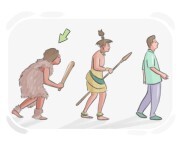
characteristic of an early stage of human or animal evolution
примитивный
Наскальные рисунки изображают жизнь первобытного человека.
a society that has developed its own culture and institutions in a particular period of time or place
цивилизация
Древний Египет считается одной из величайших цивилизаций в истории.
someone who studies or records historical events
историк
Историк потратил годы на исследование древнеримских битв.
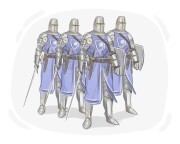
belonging or related to the Middle Ages, the period in European history from roughly the 5th to the 15th century
средневековый
Средневековые доспехи и оружие выставлены на экспозиции о рыцарях.
an idealized or imagined period of peace, prosperity, and happiness
золотой век
Роман изображал золотой век гармонии в королевстве.
a place or a collection of records or documents of historical importance
архив
Архив библиотеки содержит редкие рукописи и исторические документы, датируемые веками назад.
the point or place where something has its foundation or beginning
происхождение
Ученые изучают происхождение вселенной через космологию.

used to refer to a date that is after the birth of Jesus Christ
от Рождества Христова
a place or building that is historically important
памятник
Эйфелева башня — это знаменитый памятник в Париже, который ежегодно привлекает миллионы туристов.

used with a date to refer to things happened or existed after the birth of Christ
Н.Э.
