
pattern

Kosakata Penting untuk GRE - Semua Tentang Sastra

Di sini Anda akan mempelajari beberapa kata dalam bahasa Inggris tentang sastra, seperti "novella", "limerick", "menggambarkan", dll. yang dibutuhkan untuk ujian GRE.

Tinjauan

Kartu flash

Ejaan

Kuis

Mulai belajar
Essential Words Needed for the GRE
novella
novella
[Kata benda]

a work of fiction with an intermediate length, which could be considered a short novel

novela pendek, cerita pendek

novela pendek, cerita pendek

Ex: He spent months writing a novella to capture the essence of his complex plot. 

Dia menghabiskan berbulan-bulan menulis sebuah novela untuk menangkap esensi dari plot kompleksnya.

Tutup
Masuk
epic
epic
[Kata benda]

a long poem in narrative form giving an account of the extraordinary deeds and adventures of a nation's heroes or legends

epos, puisi epik

epos, puisi epik

Ex: The film adaptation captured the grandeur of the medieval epic. 

Adaptasi film menangkap keagungan epos abad pertengahan.

Tutup
Masuk
chronicle
chronicle
[Kata benda]

a historical account of events presented in chronological order

kronik, catatan sejarah

kronik, catatan sejarah

Ex: She read a chronicle of the city’s development over the last century. 

Dia membaca kronik perkembangan kota selama abad terakhir.

Tutup
Masuk
ode
ode
[Kata benda]

a lyric poem, written in varied or irregular metrical form, for a particular object, person, or concept

ode, puisi lirik

ode, puisi lirik

Ex: The classical musician performed a musical rendition of the famous ode. 

Musisi klasik menampilkan versi musik dari ode terkenal.

Tutup
Masuk
parody
parody
[Kata benda]

a piece of writing, music, etc. that imitates the style of someone else in a humorous way

parodi, tiruan lucu

parodi, tiruan lucu

Ex: The film was a parody of superhero movies, poking fun at the genre's clichés and over-the-top action scenes. 

Film itu adalah parodi dari film-film superhero, mengolok-olok klise genre dan adegan aksi yang berlebihan.

Tutup
Masuk
fable
fable
[Kata benda]

a short story on morality with animal characters

fabel, cerita moral

fabel, cerita moral

Ex: The fable of "The Lion and the Mouse" illustrates the importance of kindness and reciprocity, no matter one's size or stature. 
Tutup
Masuk
parable
parable
[Kata benda]

a short, simple story that teaches a moral lesson

perumpamaan, cerita ibarat

perumpamaan, cerita ibarat

Ex: The teacher used a parable to explain the importance of honesty. 

Guru menggunakan perumpamaan untuk menjelaskan pentingnya kejujuran.

Tutup
Masuk
haiku
haiku
[Kata benda]

a Japanese poem with three unrhymed lines that have five, seven and five syllables each

haiku, puisi haiku

haiku, puisi haiku

Ex: Students learned to compose a haiku during their literature class. 

Siswa belajar menulis haiku selama kelas sastra mereka.

Tutup
Masuk
epigram
epigram
[Kata benda]

a short poem or phrase that expresses a single thought satirically, often ending in a clever or humorous way

epigram, kata-kata jenaka

epigram, kata-kata jenaka

Ex: The poet's epigram cleverly highlighted the absurdity of the political situation. 

Epigram penyair dengan cerdik menyoroti absurditas situasi politik.

Tutup
Masuk
saga
saga
[Kata benda]

a long story of heroic actions and bravery in old Norse or Icelandic in the Middle Ages, or a modern narrative resembling such a narrative

saga, epos

saga, epos

Ex: He read a saga about a legendary Icelandic warrior who conquered vast lands. 

Dia membaca sebuah saga tentang seorang prajurit Islandia legendaris yang menaklukkan wilayah yang luas.

Tutup
Masuk
epigraph
epigraph
[Kata benda]

a quotation or phrase placed at the beginning of a book, chapter, or other written work, often to suggest a theme or context

epigraf, kutipan pembuka

epigraf, kutipan pembuka

Ex: The chapter's epigraph hinted at the conflict to come. 

Epigraf bab itu mengisyaratkan konflik yang akan datang.

Tutup
Masuk
limerick
limerick
[Kata benda]

a humorous poem of five anapestic lines with a rhyme scheme of AABBA

sebuah limerick, puisi lucu lima baris

sebuah limerick, puisi lucu lima baris

Ex: The children giggled at the silly limerick read by their teacher. 

Anak-anak tertawa kecil pada limerick konyol yang dibacakan oleh guru mereka.

Tutup
Masuk
lyricism
lyricism
[Kata benda]

the creative and imaginative expression of powerful feelings in art, poetry, music, etc.

lirisme

lirisme

Ex: The novel's lyricism captured the beauty and pain of love. 

Lirisme novel itu menangkap keindahan dan rasa sakit cinta.
Tutup
Masuk
prose
prose
[Kata benda]

spoken or written language in its usual form, in contrast to poetry

prosa

prosa

Ex: The professor's lectures were known for their eloquent prose, captivating students with their rich language and depth of insight. 

Kuliah sang profesor dikenal karena prosanya yang fasih, memikat siswa dengan bahasa yang kaya dan kedalaman wawasan.

Tutup
Masuk
oeuvre
oeuvre
[Kata benda]

the collection of artistic or literary works produced by a particular painter, author, etc.

karya

karya

Ex: Critics often compare his latest film to his earlier works, examining how it fits within his broader oeuvre. 

Kritikus sering membandingkan film terbarunya dengan karya-karyanya sebelumnya, meneliti bagaimana film itu cocok dengan karya yang lebih luas.

Tutup
Masuk
motif
motif
[Kata benda]

a subject, idea, or phrase that is repeatedly used in a literary work

motif, tema

motif, tema

Ex: Through the motif of the "fall from grace," the author explores the consequences of hubris and the fragility of human ambition. 

Melalui motif "jatuh dari kasih karunia", penulis mengeksplorasi konsekuensi dari kesombongan dan kerapuhan ambisi manusia.

Tutup
Masuk
characterization
characterization
[Kata benda]

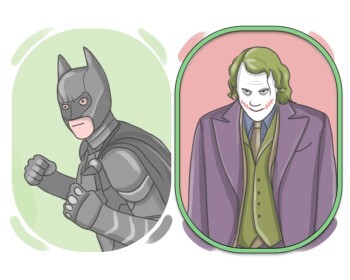
the way in which characters in a movie, book, etc. are created and represented by a writer

karakterisasi, penggambaran
karakterisasi, penggambaran

Ex: The film director used subtle visual cues and nuanced performances to achieve rich characterization in the movie, allowing viewers to connect with the characters on a deeper level. 
Tutup
Masuk
antagonist
antagonist
[Kata benda]

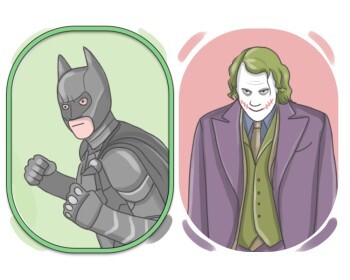
villainous character who strongly opposes another person or thing

antagonis, musuh

antagonis, musuh

Ex: The antagonist's motivations were complex, driven by a deep-seated desire for power and revenge against the protagonist. 

Motivasi antagonis itu kompleks, didorong oleh keinginan yang mendalam untuk kekuasaan dan balas dendam terhadap protagonis.
Tutup
Masuk
protagonist
protagonist
[Kata benda]

the main character in a movie, novel, TV show, etc.

tokoh utama, protagonis

tokoh utama, protagonis

Ex: The protagonist's internal conflict drives the narrative forward as they grapple with difficult choices and confront their own flaws and insecurities. 

Konflik internal protagonis mendorong narasi maju saat mereka bergumul dengan pilihan sulit dan menghadapi kekurangan serta ketidakamanan mereka sendiri.
Tutup
Masuk
to abridge
to abridge
[kata kerja]

to make a book, play, etc. short by omitting the details and including the main parts

meringkas

meringkas

Ex: The team was abridging the manuscript when the deadline was moved up. 

Tim sedang meringkas naskah ketika tenggat waktu dimajukan.

Tutup
Masuk
to depict
to depict
[kata kerja]

to describe a specific subject, scene, person, etc.

menggambarkan,  melukiskan

menggambarkan, melukiskan

Ex: The film was depicting life in the 18th century when the power went out. 

Film itu menggambarkan kehidupan di abad ke-18 ketika listrik padam.

Tutup
Masuk
addendum
addendum
[Kata benda]

a section of additional material that is usually added at the end of a book

tambahan, lampiran

tambahan, lampiran

Ex: The addendum corrected a minor error found in the main text of the book. 

Addendum memperbaiki kesalahan kecil yang ditemukan dalam teks utama buku.

Tutup
Masuk
foreword
foreword
[Kata benda]

a short introductory section at the beginning of a book, usually written by someone other than the author

kata pengantar, pendahuluan

kata pengantar, pendahuluan

Ex: The foreword provided insights into the author's inspiration for the novel. 

Kata pengantar memberikan wawasan tentang inspirasi penulis untuk novel tersebut.

Tutup
Masuk
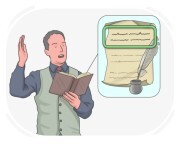
afterword
afterword
[Kata benda]

a part at the end of a book including some final words that may not be written by the author

kata penutup, epilog

kata penutup, epilog

Ex: The afterword included a brief history of the book's publication journey. 

Kata penutup mencakup sejarah singkat perjalanan penerbitan buku.
Tutup
Masuk
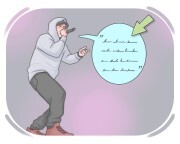
stanza
stanza
[Kata benda]

a series of lines in a poem, usually with recurring rhyme scheme and meter

bait, stanza

bait, stanza

Ex: She analyzed the stanza to understand its symbolic meaning. 

Dia menganalisis bait untuk memahami makna simbolisnya.
Tutup
Masuk
verse
verse
[Kata benda]

a set of words that usually have a rhythmic pattern

bait, baris puisi

bait, baris puisi

Ex: Memorizing a favorite verse can provide comfort during difficult times, serving as a source of inspiration and strength. 

Menghafal bait favorit dapat memberikan kenyamanan di masa-masa sulit, berfungsi sebagai sumber inspirasi dan kekuatan.

Tutup
Masuk
sonnet
sonnet
[Kata benda]

a verse of Italian origin that has 14 lines, usually in an iambic pentameter and a prescribed rhyme scheme

soneta, puisi empat belas baris

soneta, puisi empat belas baris

Ex: The poet recited a classic sonnet by Shakespeare during the literary evening. 

Penyair itu membacakan sebuah soneta klasik karya Shakespeare pada malam sastra.

Tutup
Masuk
gripping
gripping
[Adjektiva]

exciting and intriguing in a way that attracts one's attention

menarik, menggugah

menarik, menggugah

Ex: The documentary offered a gripping account of the rescue mission, capturing the tension and drama of the harrowing ordeal. 

Dokumenter itu menawarkan kisah menarik tentang misi penyelamatan, menangkap ketegangan dan drama dari cobaan yang menyedihkan.

Tutup
Masuk
concise
concise
[Adjektiva]

giving a lot of information briefly and clearly

ringkas, padat

ringkas, padat

Ex: The newscaster delivered the headlines in a concise manner. 

Pembaca berita menyampaikan headline dengan cara ringkas.

Tutup
Masuk
canonical
canonical
[Adjektiva]

(of an author or literary work) accepted as highly acclaimed authors or pieces of literature, which are collectively referred to as the literary canon

kanonik

kanonik

Ex: Critics debated whether the new author's groundbreaking novel would eventually be recognized as part of the literary canon and achieve canonical status. 

Para kritikus memperdebatkan apakah novel terobosan penulis baru tersebut akhirnya akan diakui sebagai bagian dari kanon sastra dan mencapai status kanonik.

Tutup
Masuk
flowery
flowery
[Adjektiva]

(of writing or speech) full of literary or complicated words and phrases

berbunga-bunga, rumit

berbunga-bunga, rumit

Ex: The poet’s flowery language added a sense of grandeur to the verses. 

Bahasa berbunga-bunga penyair menambahkan rasa kemegahan pada ayat-ayat.

Tutup
Masuk
mannered
mannered
[Adjektiva]

behaving in an artificial way that is too formal, trying to impress others

berlebihan, buatan

berlebihan, buatan

Ex: She found his mannered behavior at the party to be quite pretentious. 

Dia menemukan perilaku berlebihannya di pesta itu cukup sombong.

Tutup
Masuk
raunchy
raunchy
[Adjektiva]

sexually explicit or morally obscene

jorok, mesum

jorok, mesum

Ex: The novel’s raunchy language made it unsuitable for younger readers. 

Bahasa jorok novel itu membuatnya tidak cocok untuk pembaca yang lebih muda.

Tutup
Masuk
highbrow
highbrow
[Adjektiva]

scholarly and highly interested in cultural or artistic matters

intelektual, berwawasan tinggi

intelektual, berwawasan tinggi

Ex: The university's highbrow seminar focused on advanced theories in quantum physics. 

Seminar intelektual universitas berfokus pada teori-teori lanjutan dalam fisika kuantum.
Tutup
Masuk
sequel
sequel
[Kata benda]

a book, movie, play, etc. that continues and extends the story of an earlier one

sekuel

sekuel

Ex: The sequel picked up right where the first book left off, continuing the protagonist's journey with new challenges and adventures. 

Sekuel mengambil alih tepat di mana buku pertama berhenti, melanjutkan perjalanan protagonis dengan tantangan dan petualangan baru.

Tutup
Masuk
codex
codex
[Kata benda]

an ancient book, written by hand, especially of scriptures, classics, etc.

kodeks, naskah kuno

kodeks, naskah kuno

Ex: The codex was carefully preserved in a climate-controlled vault to prevent further deterioration of its delicate parchment pages. 

Codex itu dengan hati-hati diawetkan dalam brankas yang dikontrol iklimnya untuk mencegah kerusakan lebih lanjut pada halaman perkamennya yang halus.

Tutup
Masuk
ghostwriter
ghostwriter
[Kata benda]

an author whose work is published under someone else's name

penulis bayangan, penulis hantu

penulis bayangan, penulis hantu

Ex: The ghostwriter received credit in the acknowledgments section of the book. 

Penulis bayangan mendapat penghargaan di bagian ucapan terima kasih buku.

Tutup
Masuk
humorist
humorist
[Kata benda]

someone who is known for writing or telling humorous stories or jokes about real people and events

humoris, komedian

humoris, komedian

Ex: The humorist’s show cleverly critiqued the latest fashion trends with biting humor. 

Pertunjukan pelawak itu dengan cerdas mengkritik tren mode terbaru dengan humor yang tajam.

Tutup
Masuk
tragedian
tragedian
[Kata benda]

a playwright who writes tragedies

penulis tragedi

penulis tragedi

Ex: She aspired to become a tragedian and wrote several plays about human suffering. 

Dia bercita-cita menjadi seorang penulis tragedi dan menulis beberapa drama tentang penderitaan manusia.

Tutup
Masuk
man of letters
man of letters
[Kata benda]

a male literary author or scholar

ahli sastra, sarjana

ahli sastra, sarjana

Ex: The lecture was delivered by a distinguished man of letters from Oxford. 

Kuliah disampaikan oleh seorang sastrawan terkemuka dari Oxford.

Tutup
Masuk
satirist
satirist
[Kata benda]

a person who writes or uses satires in order to criticize or humor someone or something

satiris

satiris

Ex: Many consider Jonathan Swift a master satirist for his work "Gulliver's Travels." 

Banyak orang menganggap Jonathan Swift sebagai seorang master satiris untuk karyanya "Gulliver's Travels".

Tutup
Masuk
LanGeek
Unduh aplikasi LanGeek
