pattern

Vocabular Esențial pentru GRE - Totul despre literatură

Aici veți învăța câteva cuvinte în engleză despre literatură, cum ar fi "nuvelă", "limerick", "descrie", etc., care sunt necesare pentru examenul GRE.

Revizuire

Fișe de studiu

forme

Ortografie

Chestionar

Începe să înveți
Essential Words Needed for the GRE
novella
novella
[substantiv]

a work of fiction with an intermediate length, which could be considered a short novel

nuvelă, roman scurt

nuvelă, roman scurt

Ex: The novella was praised for its concise storytelling and rich character development .

Nuveleta a fost lăudată pentru povestirea sa concisă și dezvoltarea bogată a personajelor.

Închide
Conectare
epic
epic
[substantiv]

a long poem in narrative form giving an account of the extraordinary deeds and adventures of a nation's heroes or legends

epopee, poem epic

epopee, poem epic

Ex: The poet's latest work is an epic celebrating the founding of a legendary kingdom.

Cea mai recentă lucrare a poetului este un epos care sărbătorește fondarea unui regat legendar.

Închide
Conectare
chronicle
chronicle
[substantiv]

a historical account of events presented in chronological order

cronică, anale

cronică, anale

Ex: The museum displayed a chronicle of the town ’s history in its latest exhibit .

Muzeul a expus o cronică a istoriei orașului în cea mai recentă expoziție.

Închide
Conectare
ode
ode
[substantiv]

a lyric poem, written in varied or irregular metrical form, for a particular object, person, or concept

odă, poem liric

odă, poem liric

Ex: The ode was filled with elaborate metaphors and vivid imagery .

Oda era plină de metafore elaborate și imagini vii.

Închide
Conectare
parody
parody
[substantiv]

a piece of writing, music, etc. that imitates the style of someone else in a humorous way

parodie, imitare umoristică

parodie, imitare umoristică

Ex: The theater troupe performed a parody of a well-known Shakespeare play , adding comedic twists and contemporary references to the dialogue .

Trupa de teatru a interpretat o parodie a unei piese binecunoscute de Shakespeare, adăugând întorsături comice și referințe contemporane în dialog.

Închide
Conectare
fable
fable
[substantiv]

a short story on morality with animal characters

fabula, poveste morală

fabula, poveste morală

Ex: "The Boy Who Cried Wolf" is a timeless fable cautioning against the dangers of dishonesty and deception.

« Băiatul care a strigat Lupul » este o fabula fără vârstă care avertizează împotriva pericolelor necinstei și înșelăciunii.

Închide
Conectare
parable
parable
[substantiv]

a short, simple story that teaches a moral lesson

parabolă, alegorie

parabolă, alegorie

Ex: The parable's message was clear : compassion outweighs judgment .

Mesajul parabolei era clar: compasiunea depășește judecata.

Închide
Conectare
haiku
haiku
[substantiv]

a Japanese poem with three unrhymed lines that have five, seven and five syllables each

haiku, poem haiku

haiku, poem haiku

Ex: She recited a haiku about the fleeting cherry blossoms .

Ea a recitat un haiku despre trecătoarele flori de cireș.

Închide
Conectare
epigram
epigram
[substantiv]

a short poem or phrase that expresses a single thought satirically, often ending in a clever or humorous way

epigramă, replică ironică

epigramă, replică ironică

Ex: The writer used an epigram to sum up his views on marriage with a humorous twist .

Scriitorul a folosit un epigram pentru a-și rezuma opiniile despre căsătorie cu o tentă amuzantă.

Închide
Conectare
saga
saga
[substantiv]

a long story of heroic actions and bravery in old Norse or Icelandic in the Middle Ages, or a modern narrative resembling such a narrative

sagă, epopee

sagă, epopee

Ex: The epic saga captivated readers with its tales of valor and conquest .

Saga epică a captivat cititorii cu poveștile sale despre vitejie și cucerire.

Închide
Conectare
epigraph
epigraph
[substantiv]

a quotation or phrase placed at the beginning of a book, chapter, or other written work, often to suggest a theme or context

epigraf, citat introductiv

epigraf, citat introductiv

Ex: The epigraph inspired readers to reflect on the story 's message .

Epigraful a inspirat cititorii să reflecteze asupra mesajului poveștii.

Închide
Conectare
limerick
limerick
[substantiv]

a humorous poem of five anapestic lines with a rhyme scheme of AABBA

un limerick, un poem umoristic de cinci versuri

un limerick, un poem umoristic de cinci versuri

Ex: The book was filled with limericks that brought joy to readers of all ages .

Cartea era plină de limericks care aduceau bucurie cititorilor de toate vârstele.

Închide
Conectare
lyricism
lyricism
[substantiv]

the creative and imaginative expression of powerful feelings in art, poetry, music, etc.

lirism

lirism

Ex: The lyricism of the poem painted vivid images and stirred the reader 's imagination .

Lirismul poemului a pictat imagini vii și a stimulat imaginația cititorului.

Închide
Conectare
prose
prose
[substantiv]

spoken or written language in its usual form, in contrast to poetry

proză

proză

Ex: The author 's mastery of prose evoked vivid imagery and emotional resonance , immersing readers in the world of her storytelling .

Stăpânirea prozei de către autoare a evocat imagini vii și rezonanță emoțională, scufundând cititorii în lumea poveștii sale.

Închide
Conectare
oeuvre
oeuvre
[substantiv]

the collection of artistic or literary works produced by a particular painter, author, etc.

operă

operă

Ex: As a scholar of literature , she dedicated her career to studying the oeuvre of Jane Austen , uncovering new insights into her timeless novels .

Ca savantă în literatură, și-a dedicat cariera studiului operelor lui Jane Austen, descoperind noi perspective asupra romanelor sale fără de vârstă.

Închide
Conectare
motif
motif
[substantiv]

a subject, idea, or phrase that is repeatedly used in a literary work

motiv, temă

motiv, temă

Ex: The motif of " nature versus civilization " serves as a central theme in the story , highlighting the tension between humanity 's primal instincts and societal norms .

Motivul "natură versus civilizație" servește ca temă centrală în poveste, evidențiind tensiunea dintre instinctele primare ale umanității și normele sociale.

Închide
Conectare
characterization
characterization
[substantiv]

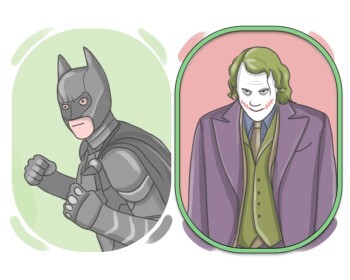
the way in which characters in a movie, book, etc. are created and represented by a writer

caracterizare, descriere
caracterizare, descriere

Ex: The characterization of the antagonist was particularly compelling , as the writer explored the motivations behind his actions and revealed the humanity beneath his villainous exterior .

Caracterizarea antagonistului a fost deosebit de convingătoare, deoarece scriitorul a explorat motivele din spatele acțiunilor sale și a dezvăluit umanitatea sub înfățișarea sa ticăloasă.

Închide
Conectare
antagonist
antagonist
[substantiv]

villainous character who strongly opposes another person or thing

antagonist, inamic

antagonist, inamic

Ex: Throughout the story , the protagonist 's struggle against the antagonist served as a metaphor for larger themes of good versus evil and the resilience of the human spirit .

De-a lungul poveștii, lupta protagonistului împotriva antagonistului a servit drept metaforă pentru teme mai mari ale binelui împotriva răului și a rezilienței spiritului uman.

Închide
Conectare
protagonist
protagonist
[substantiv]

the main character in a movie, novel, TV show, etc.

personaj principal, protagonist

personaj principal, protagonist

Ex: The protagonist's quest for redemption and forgiveness forms the emotional core of the narrative , resonating with audiences on a deeply human level .

Căutarea protagonistului pentru răscumpărare și iertare formează miezul emoțional al narațiunii, rezonând cu publicul la un nivel profund uman.

Închide
Conectare
to abridge

to make a book, play, etc. short by omitting the details and including the main parts

prescurta

prescurta

Ex: For the anthology , they abridged the lengthy essay to highlight its main arguments .

Pentru antologie, au prescurtat eseu lung pentru a evidenția argumentele sale principale.

Închide
Conectare
to depict
to depict
[verb]

to describe a specific subject, scene, person, etc.

descrie,  reprezenta

descrie, reprezenta

Ex: The artist has been depicting various cultural traditions throughout the year .

Artistul a închipuit diverse tradiții culturale de-a lungul anului.

Închide
Conectare
addendum
addendum
[substantiv]

a section of additional material that is usually added at the end of a book

adenda, anexă

adenda, anexă

Ex: The manuscript ’s addendum contained supplementary information not covered in the main chapters .

Anexa manuscrisului conținea informații suplimentare neacoperite în capitolele principale.

Închide
Conectare
foreword
foreword
[substantiv]

a short introductory section at the beginning of a book, usually written by someone other than the author

prefață, introducere

prefață, introducere

Ex: The author was pleased with the thoughtful foreword provided by a fellow writer .

Autorul a fost mulțumit de prefața gânditoare oferită de un coleg scriitor.

Închide
Conectare
afterword
afterword
[substantiv]

a part at the end of a book including some final words that may not be written by the author

postfață, epilog

postfață, epilog

Ex: She read the afterword to understand the editor ’s perspective on the story .

Ea a citit postfața pentru a înțelege perspectiva editorului asupra poveștii.

Închide
Conectare
stanza
stanza
[substantiv]

a series of lines in a poem, usually with recurring rhyme scheme and meter

strofă, stanţă

strofă, stanţă

Ex: The stanza's rhyme scheme was ABAB , giving the poem a rhythmic flow .

Strofa avea o schemă de rimă ABAB, dând poemului un flux ritmic.

Închide
Conectare
verse
verse
[substantiv]

a set of words that usually have a rhythmic pattern

vers, strofă

vers, strofă

Ex: The poem 's first verse set the tone for the rest of the piece .

Primul vers al poeziei a stabilit tonul pentru restul piesei.

Închide
Conectare
sonnet
sonnet
[substantiv]

a verse of Italian origin that has 14 lines, usually in an iambic pentameter and a prescribed rhyme scheme

sonet, poem de paisprezece versuri

sonet, poem de paisprezece versuri

Ex: She wrote a sonnet for her literature class , following the traditional 14-line structure .

Ea a scris un sonet pentru ora ei de literatură, urmând structura tradițională de 14 versuri.

Închide
Conectare
gripping
gripping
[adjectiv]

exciting and intriguing in a way that attracts one's attention

captivant, emocionant

captivant, emocionant

Ex: The gripping true-crime podcast delved into the details of the case, leaving listeners eager for each new episode.

Podcastul captivant despre crime reale a aprofundat detaliile cazului, lăsând ascultătorii nerăbdători pentru fiecare nou episod.

Închide
Conectare
concise
concise
[adjectiv]

giving a lot of information briefly and clearly

concise, succint

concise, succint

Ex: The editor appreciated the author 's concise writing style .

Editorul a apreciat stilul de scriere concise al autorului.

Închide
Conectare
canonical
canonical
[adjectiv]

(of an author or literary work) accepted as highly acclaimed authors or pieces of literature, which are collectively referred to as the literary canon

canonic

canonic

Ex: The student 's thesis explored themes of identity and power in canonical literature , examining how these works have shaped cultural narratives over time .

Teza studentului a explorat teme ale identității și puterii în literatura canonică, examinând cum aceste opere au modelat narațiunile culturale de-a lungul timpului.

Închide
Conectare
flowery
flowery
[adjectiv]

(of writing or speech) full of literary or complicated words and phrases

înflorat, complicat

înflorat, complicat

Ex: The editor suggested simplifying the flowery passages to enhance clarity.

Editorul a sugerat simplificarea pasajelor înflorite pentru a spori claritatea.

Închide
Conectare
mannered
mannered
[adjectiv]

behaving in an artificial way that is too formal, trying to impress others

afectat, artificial

afectat, artificial

Ex: The diplomat 's mannered politeness felt overly formal and insincere .

Politetea afectată a diplomatului părea excesiv de formală și nesinceră.

Închide
Conectare
raunchy
raunchy
[adjectiv]

sexually explicit or morally obscene

obscen, vulgar

obscen, vulgar

Ex: The raunchy lyrics of the song sparked controversy among parents and critics.

Versurile obscene ale cântecului au stârnit controverse în rândul părinților și criticilor.

Închide
Conectare
highbrow
highbrow
[adjectiv]

scholarly and highly interested in cultural or artistic matters

intelectual, cult

intelectual, cult

Ex: She prefers highbrow discussions on philosophy over popular media.

Ea preferă discuțiile intelectuale despre filosofie în locul mass-media populare.

Închide
Conectare
sequel
sequel
[substantiv]

a book, movie, play, etc. that continues and extends the story of an earlier one

continuare

continuare

Ex: The sequel exceeded expectations , introducing new twists and revelations that kept audiences on the edge of their seats .

Continuarea a depășit așteptările, introducând noi întorsături și revelații care au ținut publicul pe marginea scaunelor.

Închide
Conectare
codex
codex
[substantiv]

an ancient book, written by hand, especially of scriptures, classics, etc.

codex, manuscris vechi

codex, manuscris vechi

Ex: The monastery 's library houses a remarkable collection of codices, each one meticulously copied and illustrated by hand by dedicated scribes .

Biblioteca mănăstirii adăpostește o colecție remarcabilă de codexuri, fiecare copiat și ilustrat meticulos de mână de către scribi dedicați.

Închide
Conectare
ghostwriter
ghostwriter
[substantiv]

an author whose work is published under someone else's name

scriitor fantomă, negru literar

scriitor fantomă, negru literar

Ex: The ghostwriter's name remained confidential while the author 's name was on the cover .

Numele ghostwriter-ului a rămas confidențial în timp ce numele autorului era pe copertă.

Închide
Conectare
humorist
humorist
[substantiv]

someone who is known for writing or telling humorous stories or jokes about real people and events

umorist, comedian

umorist, comedian

Ex: Many consider her a brilliant humorist due to her insightful and funny take on cultural trends .

Mulți o consideră o umoristă strălucitoare datorită perspectivei sale perspicace și amuzante asupra tendințelor culturale.

Închide
Conectare
tragedian
tragedian
[substantiv]

a playwright who writes tragedies

tragedian

tragedian

Ex: His reputation as a tragedian was solidified with the success of his latest dark drama .

Reputația sa de tragedian a fost consolidată cu succesul ultimului său dramă întunecată.

Închide
Conectare
man of letters
man of letters
[substantiv]

a male literary author or scholar

om de litere, erudit

om de litere, erudit

Ex: He aspired to be a man of letters, dedicating his life to literature and scholarship .

El aspira să fie un om de litere, dedicându-și viața literaturii și învățăturii.

Închide
Conectare
satirist
satirist
[substantiv]

a person who writes or uses satires in order to criticize or humor someone or something

satirist

satirist

Ex: The satirist's play received acclaim for its incisive take on political corruption .

Piesa satiristului a primit laude pentru perspectiva sa incisivă asupra corupției politice.

Închide
Conectare
LanGeek
Descarcă aplicația LanGeek