
Nödvändigt Ordförråd för GRE - Allt om litteratur
Här kommer du att lära dig några engelska ord om litteratur, såsom "novell", "limerick", "skildra", etc. som behövs för GRE-provet.
Recension
Flashcards
Stavning
Quiz

a work of fiction with an intermediate length, which could be considered a short novel

novell, kort roman
Novellens längd gjorde den till ett perfekt val för sommarläsning.
a long poem in narrative form giving an account of the extraordinary deeds and adventures of a nation's heroes or legends
epos, episk dikt
Beowulf är en klassisk epos som berättar historien om dess titulära hjältes strider.
a historical account of events presented in chronological order
krönika, annaler
Kröningen täckte de stora slagen i inbördeskriget i ordning.
a lyric poem, written in varied or irregular metrical form, for a particular object, person, or concept
od, lyrisk dikt
De antika grekerna komponerade ofta oder till sina gudar och hjältar.
a piece of writing, music, etc. that imitates the style of someone else in a humorous way
parodi, humoristisk imitation
Konstnärens senaste verk är en parodi på en berömd målning, som lägger till moderna element och humoristiska detaljer till originalet.

a short story on morality with animal characters
fabel, moralisk berättelse
a short, simple story that teaches a moral lesson
liknelse, parabel
Budskapet i parabeln var tydligt: medkänsla väger tyngre än dom.
a Japanese poem with three unrhymed lines that have five, seven and five syllables each
haiku, haikudikt
Poesiklubben höll en tävling om den bästa haikun.
a short poem or phrase that expresses a single thought satirically, often ending in a clever or humorous way
epigram, kvickhet
Mark Twain var känd för sina skarpa epigram, som ofta gjorde narr av den mänskliga naturen.
a long story of heroic actions and bravery in old Norse or Icelandic in the Middle Ages, or a modern narrative resembling such a narrative
saga, epos
Filmen inspirerades av en medeltida saga om kärlek och förräderi.
a quotation or phrase placed at the beginning of a book, chapter, or other written work, often to suggest a theme or context
epigraf, inledande citat
Många författare använder epigrafer för att sätta tonen för sitt verk.
a humorous poem of five anapestic lines with a rhyme scheme of AABBA
en limerick, ett humoristisk femradigt poem
Hennes limerick om en katt och en hatt vann första plats i tävlingen.
the creative and imaginative expression of powerful feelings in art, poetry, music, etc.
lyrik
Konstnärens lyrik i målningen framkallar starka känslor av nostalgi.
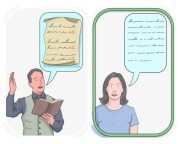
spoken or written language in its usual form, in contrast to poetry
prosa
the collection of artistic or literary works produced by a particular painter, author, etc.
verk
Kompositörens oeuvre hyllas för dess innovativa användning av harmoni och rytm, vilket har influerat generationer av musiker.
a subject, image, idea, or phrase that recurs in a literary work
motiv, tema

the way in which characters in a movie, book, etc. are created and represented by a writer
karaktärisering, skildring
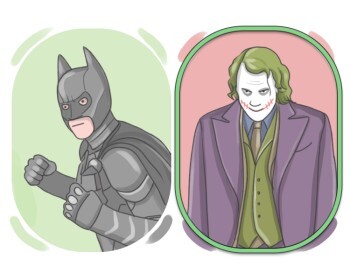
villainous character who strongly opposes another person or thing
antagonist, fiende
Trots att vara antagonisten, hade karaktären förlösande egenskaper som tillförde djup och komplexitet till deras skildring.
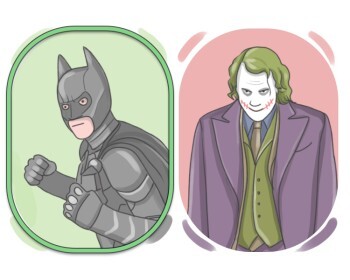
the main character in a movie, novel, TV show, etc.
huvudperson, protagonist
När historien utvecklas genomgår huvudpersonen en omvandlande resa och utvecklas från en motvillig hjälte till en symbol för hopp och motståndskraft.
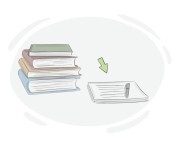
to make a book, play, etc. short by omitting the details and including the main parts
förkorta
De kommer att förkorta rapporten för att endast presentera de viktigaste resultaten.

to describe or portray someone or something in words, a story, film, or other form of expression
skildra, beskriva
a section of additional material that is usually added at the end of a book
tillägg, bilaga
Författaren lade till ett tillägg för att behandla de senaste utvecklingarna sedan den ursprungliga publiceringen.
a short introductory section at the beginning of a book, usually written by someone other than the author
förord, inledning
Hon skummade förordet innan hon dök in i bokens huvudinnehåll.
a part at the end of a book including some final words that may not be written by the author
efterord, epilog
Författaren skrev inte efterordet, som bidrog av en litteraturvetare.
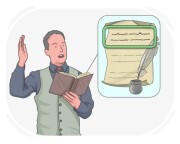
a series of lines in a poem, usually with recurring rhyme scheme and meter
strof, vers
Poeten skrev en lång strof för att utveckla den centrala idén.
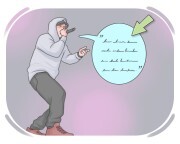
a poem or short piece of poetry
vers, strof
a verse of Italian origin that has 14 lines, usually in an iambic pentameter and a prescribed rhyme scheme
sonett, fjortonradigt poem
Hans ursprungliga sonett utforskade teman av kärlek och natur i elegant vers.

exciting and intriguing in a way that attracts one's attention
gripande, spännande
giving a lot of information briefly and clearly
koncis, kortfattad
Ett koncist e-postmeddelande kan ofta vara mer effektivt än ett långt.
(of an author or literary work) accepted as highly acclaimed authors or pieces of literature, which are collectively referred to as the literary canon
kanonisk
Antologin inkluderade en rad kanoniska texter, vilket gav en omfattande översikt av de mest inflytelserika litterära verken i historien.
(of writing or speech) full of literary or complicated words and phrases
blommig, krånglig
Brevet var fyllt med blommiga fraser som verkade ouppriktiga.
behaving in an artificial way that is too formal, trying to impress others
manierad, konstlad
Hans affekterade sätt att tala var avsett att imponera, men uppfattades som tillgjort.
sexually explicit or morally obscene
obscent, smutsig
Tidningen mötte motstånd för att ha publicerat pornografiska bilder som många ansåg olämpliga.
scholarly and highly interested in cultural or artistic matters
intellektuell, bildad
Hans intellektuella tillvägagångssätt till musik inkluderar en djup uppskattning för orkestersymfonier.
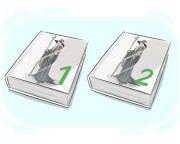
a book, movie, play, etc. that continues and extends the story of an earlier one
uppföljare
Efter framgången med den första pjäsen meddelade teatern planer på en uppföljare för att ytterligare utforska karaktärerna och deras relationer.
an ancient book, written by hand, especially of scriptures, classics, etc.
kodex, antik handskrift
Under utgrävningen upptäckte arkeologer en codex begravd i ruinerna, vilket ger en sällsynt glimt av det antika samhällets vardagsliv.
an author whose work is published under someone else's name
spökskrivare, skugga författare
Många bästsäljande böcker är arbetet av en talangfull spökskrivare bakom kulisserna.
someone who is known for writing or telling humorous stories or jokes about real people and events
humorist, komiker
Hon beundrade humoristen för hans förmåga att hitta komedi i det vardagliga.
a playwright who writes tragedies
tragédiförfattare
Kritiker berömde den moderna tragikern för hans rörande och gripande pjäser.

a male literary author or scholar
bokman, lärd
Den litterära tidskriften presenterade en intervju med en framstående litteratör.
a person who writes or uses satires in order to criticize or humor someone or something
satiriker
Hans roll som satiriker gör det möjligt för honom att adressera allvarliga frågor genom humor.
